
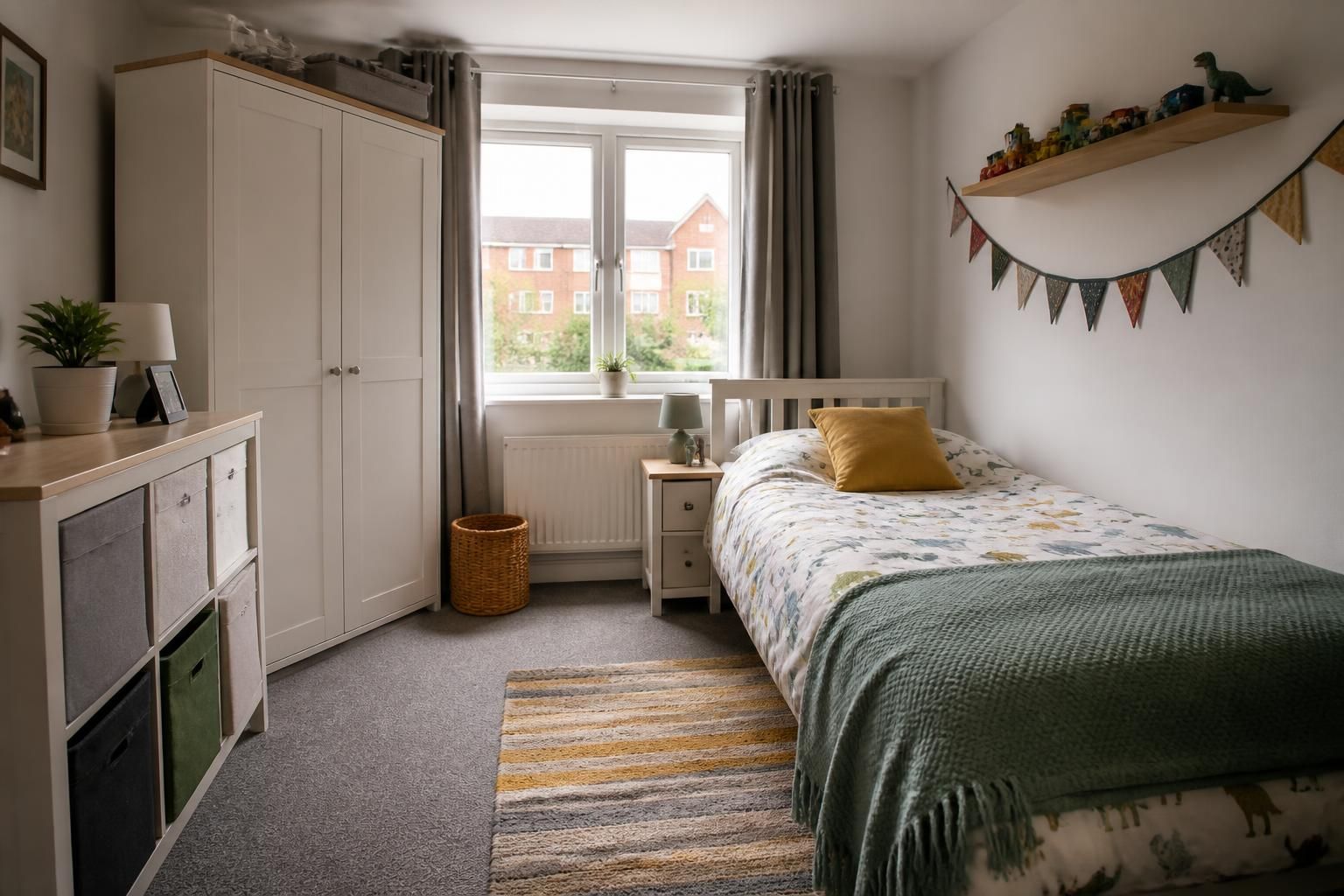
Can I foster if I rent my home?
Yes, you can usually foster if you rent your home, provided you have permission from your landlord and the property is suitable for a child or young person. Your fostering assessment will consider your accommodation, household arrangements and ability to provide a safe, stable home.
Partnering with an
Ofsted Outstanding Provider
A rented property can be suitable for fostering, but you will need to check your tenancy conditions and obtain permission from your landlord or housing provider before you apply. The fostering assessment will then consider whether the accommodation provides the space, safety, privacy and stability required by a child or young person.
Check your tenancy agreement first
Look for clauses covering who may live in the property, changes to the household, business or professional activities carried out at home, and the use of additional rooms. Fostering is not the same as taking in a lodger, but your agreement may still require consent for a child to live with you as part of a fostering arrangement.
If you rent from a council or housing association, contact the relevant housing provider. If you rent privately, speak to your landlord or letting agent and check who has authority to give permission. Ask for any consent in writing and keep it with your application documents.
What your landlord may need to know
Your landlord may ask for information about the proposed arrangement, such as whether you intend to foster one child or siblings and whether any changes to the property are needed. You should be clear that fostering involves providing a family home and ongoing care, rather than simply renting out a room.
Permission may also be needed if you plan to install safety equipment, alter a bedroom, change locks or make other physical adaptations. Do not make changes until you have checked both your tenancy agreement and the landlord’s requirements.
How the property is assessed
During the fostering assessment, the fostering service will visit your home and consider practical matters including:
- whether there is a suitable bedroom and enough personal space for the child
- the condition, cleanliness and general safety of the property
- fire safety, escape routes, heating, ventilation and access to basic facilities
- where the child will store clothes and belongings
- how the household will manage privacy, routines and shared areas
- whether the accommodation is appropriate for the age and needs of the child you may foster.
The assessment is about more than the size of the property. The location, household members, pets, facilities and the way the home is used will all be considered. A rented home does not have to be large or owned by you, but it must provide a stable and suitable environment.
Stability of the tenancy matters
Your fostering service will need to understand your housing situation. This can include the type of tenancy you have, any planned move, restrictions on household members and whether the property is likely to remain suitable. A short-term or uncertain housing arrangement may need further discussion because children need consistency in where they live.
If you are expecting to move, tell the fostering service at the earliest opportunity. A new property would normally need to be checked before a child moved in, and you may need fresh permission from the new landlord or housing provider.
Renting a room or sharing with the landlord
Renting a room in another person’s home can be more complicated than renting an entire property. You would need to consider whether the child could have appropriate privacy, whether the landlord lives in the home, how household responsibilities would work and whether the arrangement meets fostering requirements. The property owner would need to agree to the arrangement, and the fostering service would assess whether the home is suitable.
What to do if permission is refused
Do not proceed on the assumption that permission is unnecessary. Ask for the decision and the relevant tenancy clause in writing, then discuss the situation with your fostering service. They can explain what evidence is required and whether there is another lawful way to meet the housing requirements. You may need to resolve the tenancy issue or move to suitable accommodation before fostering can proceed.
Become a Foster Family can help you understand how your rented accommodation will be considered during the recruitment and assessment process. Be open about your housing arrangements from the beginning, provide any written permission requested and raise possible changes early. This allows the accommodation requirements to be considered alongside the rest of your fostering application.
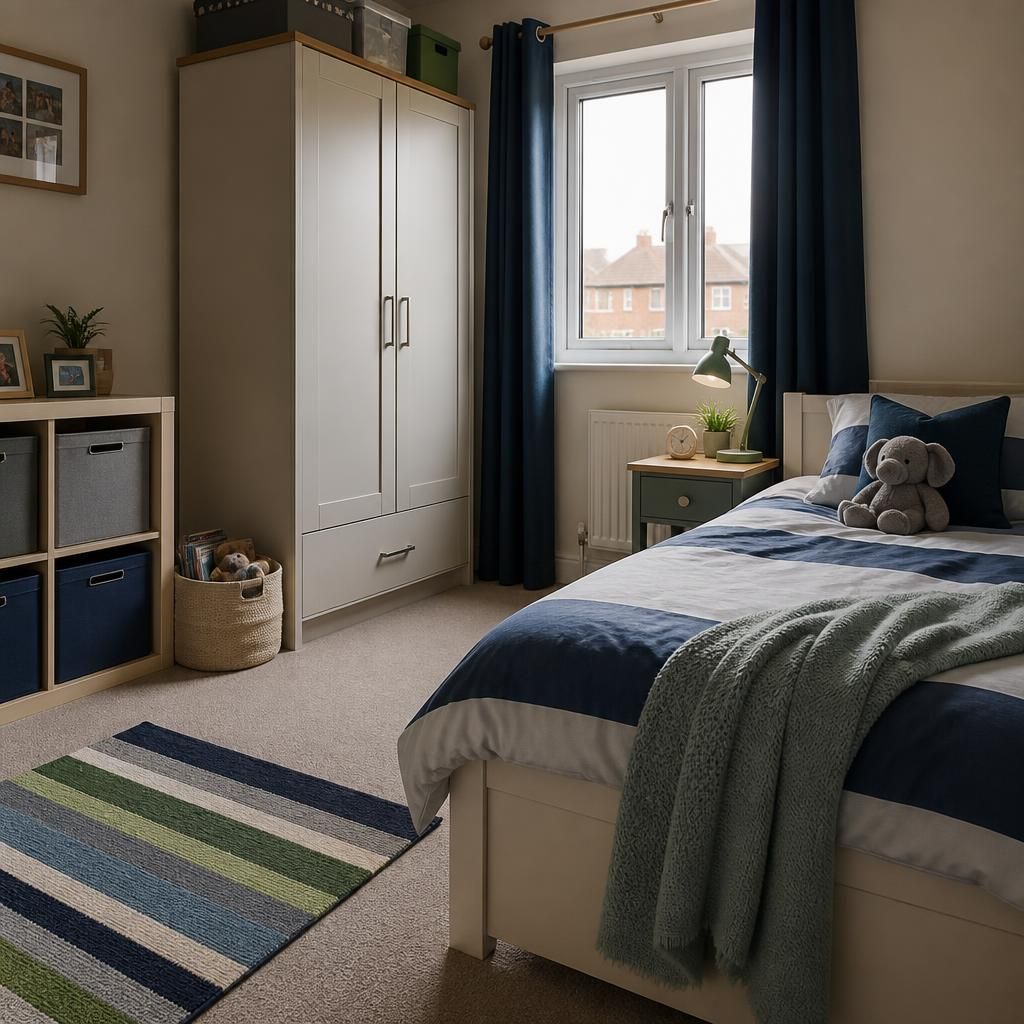
Renting a home does not remove the need to consider your household finances when you apply to foster. Your assessment may include regular housing costs, such as rent, utilities and other essential outgoings, to establish that your household budget is manageable.
Fostering allowances are intended to support the costs of caring for a child, but you should not rely on them to resolve existing rent arrears or wider financial difficulties. Be ready to provide accurate information about your income, commitments and housing costs, and discuss any changes in your circumstances with your fostering service.
Discuss fostering in your rented home
If you rent your home and are considering fostering, speak to Become a Foster Family about your circumstances and the next steps in the assessment process.