Become A Foster Family

Foster Home Safety Requirements

Foster home safety requirements are the checks and practical arrangements that help ensure a child’s living environment is secure, suitable and welcoming. They cover hazards, sleeping spaces, fire precautions, supervision and household routines, all considered during assessment.

Start Your Journey Today

Partnering with an
Ofsted Outstanding Provider

What Makes a Home Suitable for Fostering?

Foster home safety requirements cover how a household identifies, manages and reviews risks as part of a safe care policy for foster carers. This includes agreeing clear expectations for privacy, boundaries, visitors, online contact and the use of shared spaces, alongside the physical arrangements in the home.

This approach is suitable for people who can work consistently with professionals, follow agreed safeguarding procedures and adapt household routines to a child’s individual needs. Everyone who lives in the home should understand their responsibilities, including children and other household members where appropriate.

During the fostering process, the household’s circumstances are discussed in detail so that any changes or safeguards can be considered before a placement. Training and ongoing support help foster carers review arrangements as a child’s needs develop, rather than treating home safety as a one-off check.

How Foster Home Safety Requirements Compare Across Fostering Routes

Short-term, long-term and respite fostering can place different demands on home safety planning. Shorter placements may require rapid familiarisation with routines, while longer placements involve sustained flexibility; all routes require clear responsibilities, recording concerns and using support when risks change.

  1. 1

    Core safety standards apply to every route

    Whether you are considering short-term, long-term or respite fostering, your home must provide a safe, suitable environment. The assessment considers hazards, secure storage, entrances, household members, pets and the general condition of the property before approval.

  2. 2

    Sleeping space and privacy

    Foster carers need to provide an appropriate bedroom and respect a child’s privacy. Long-term placements may require more permanent arrangements for belongings and personal space, while short-term or respite care may require the room to be prepared for different children without compromising comfort or security.

  3. 3

    Fire and household safety

    Fire precautions, escape arrangements, alarms and safe storage of medicines or hazardous items form part of home safety planning. These checks apply to every fostering route, although arrangements may need reviewing when a child’s age, mobility, behaviour or health needs change.

  4. 4

    Supervision and safeguarding

    The level and type of supervision must reflect the child’s circumstances rather than the placement label. Foster carers may need to manage visitors, contact with other household members, online activity and access to parts of the home in line with agreed safeguarding arrangements.

  5. 5

    Flexibility between placements

    Short-term and respite fostering can require a home to be made suitable for different needs with less notice between placements. Long-term fostering may involve adapting the home more extensively as the child grows, develops independence or needs additional support.

  6. 6

    Recording and reviewing concerns

    Foster carers are expected to report and record relevant safety concerns and discuss changes with their fostering team. This is particularly important when a placement continues over time, but it also helps ensure short-term and respite arrangements remain safe throughout the stay.

Questions About Foster Home Safety Requirements

What fire safety checks are needed in a foster home?

Assessors usually examine each room, sleeping arrangements, fire precautions, electrical safety, outdoor areas and household routines for potential hazards. Requirements depend on the child’s assessed needs, individual placement circumstances too.

How should medicines be stored in a foster home?

Medicines should be locked away, clearly labelled, separated from children’s access and monitored responsibly. Foster carers should follow prescribing instructions, record administration where required, and report concerns through safeguarding procedures.

Do foster homes need childproof locks?

Childproof locks may be appropriate for cupboards, windows, doors or hazardous areas, depending on the child’s age, needs and assessed risks. Discuss suitable measures with supervising professionals before placement decisions.

What bedroom requirements apply to foster children?

Foster children generally need their own suitable bedroom, with appropriate furniture, storage, privacy and space for personal belongings. Shared rooms are considered individually, based on age, relationships and safeguarding needs.

How is online safety managed for foster children?

Online safety involves agreed rules for devices, social media, gaming and messaging, with supervision suited to the child. Foster carers should notice concerning contact, preserve evidence and report it promptly.

Key Areas of a Safe Foster Home

Safe foster care means matching home arrangements to a child’s age, development, health and communication needs. Carers may need to explain rules, supervise activities and make reasonable adjustments, such as safer storage or adapted equipment, when assessment identifies them.

Training and supervision support carers as risks change. Extra care is important where a child has limited danger awareness or difficulties with personal boundaries.

Secure storage

Medicines, cleaning products, sharp objects, tools and other potentially harmful items should be stored securely, with access matched to the child’s age, understanding and level of supervision needed.

Emergency arrangements

The household should know how to respond to an emergency, including how to leave the property safely, where to find essential information and who to contact if a child is injured or at immediate risk.

Health and medication safety

Where a child has medical needs, carers must follow agreed instructions for medication, allergies, first aid and healthcare appointments, while keeping relevant information accurate and accessible.

Pets and animals

Pets are considered as part of the assessment, including their temperament, the child’s previous experience of animals and any arrangements needed to manage contact safely.

Safe movement around the home

Stairs, windows, balconies, bathrooms and other areas with particular risks should be considered in relation to the child’s mobility, coordination, confidence and awareness of danger.

Safety plans that can be followed

A practical plan should set out the actions carers and other household members need to take, so expectations are clear and concerns can be passed to the fostering team for further guidance.

Safer Homes

Clear safety requirements help applicants understand expectations, prepare their home and approach assessment with informed confidence throughout the fostering process.

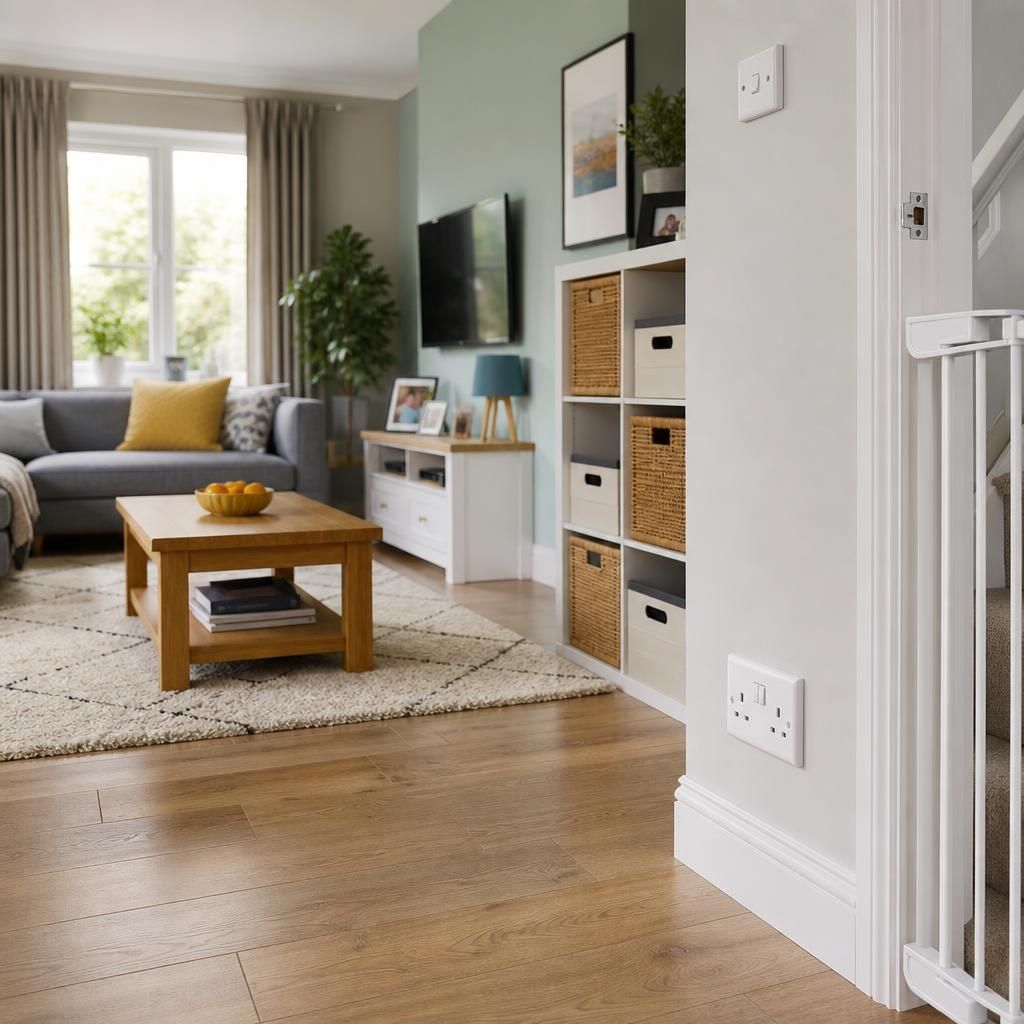
Tidy family living room with clear walkways, covered sockets and secure storage

Making Home Safety Checks Child-Specific

A safe care policy for foster carers sets out how adults in the household will reduce foreseeable risks and respond consistently. It should be understood by everyone living in the home, not treated as paperwork for the assessment alone.

Before approval, discuss household routines that affect security: who may visit, how privacy is respected, where personal information is kept, and how children are supported when plans change. Include arrangements for pets, smoking, alcohol and any adult activities that could affect a child’s wellbeing.

Keep records of agreed safeguards and review them after placement meetings, incidents or changes in the household. Tell supervising professionals about relevant changes so the safer-care approach remains appropriate to the child’s circumstances and the fostering household.

Questions About Foster Home Safety

How are pets considered in foster home safety assessments?

Pets should be assessed for temperament, training, behaviour and potential risks. Agree supervision, separation, hygiene and introduction arrangements, particularly where children have fears, allergies, vulnerabilities or limited understanding of risk.

How are trip hazards assessed in a foster home?

Trip hazards are assessed by checking floors, rugs, cables, stairs and walkways, then reducing risks through secure fittings, clear routes, suitable lighting and supervision matched to each child’s individual needs.

Discuss Your Foster Home Safety Questions

If you are considering fostering, discuss your household and any safety questions with our team. We can explain how requirements apply to your circumstances, outline the assessment process and clarify the next practical step.

Contact Our Team