Become A Foster Family

Understanding the Foster to Adopt Process

The foster to adopt process combines fostering approval with the early stages of adoption, helping a child settle with carers while legal decisions are made. Understanding each step can help you assess whether this route is right for your family.

Start Your Journey Today

Partnering with an
Ofsted Outstanding Provider

Creating Stability and Purpose Through Foster to Adopt

Foster to adopt is a planned route where approved carers provide daily care for a child who may later join their family through adoption. Carers offer consistency while longer-term arrangements are considered.

Simple routines, patient responses and a safe home can help a child begin to trust adults and feel secure. Carers learn to recognise individual needs, work with professionals and respond sensitively as plans develop. This steady care can support emotional wellbeing.

For prospective carers, the role brings responsibility and purpose. It can involve uncertainty, careful decision-making and guidance from fostering and adoption teams. Preparation, supervision and honest communication help families keep the child’s welfare at the centre of each stage.

How Foster to Adopt Can Shape Family Life

Family members discussing plans together at a kitchen table

Clearer Communication Across the Household

Foster to adopt can encourage adults and children to talk more openly about changes at home. Families may become more deliberate about explaining plans, listening to concerns and checking that everyone understands what is happening. These conversations can help household members share worries respectfully and maintain trust during each stage of the process.

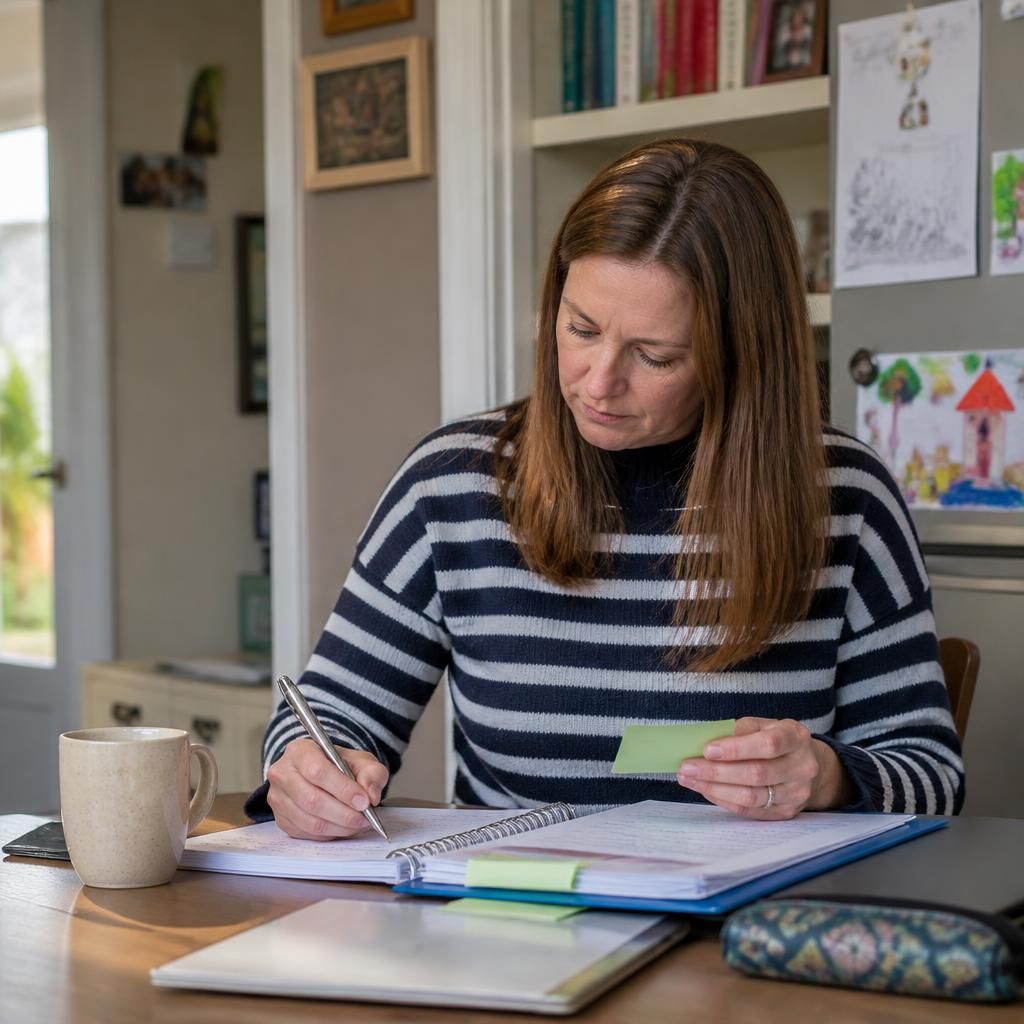
Carer organising household notes and family belongings

Greater Confidence in Everyday Decisions

As carers become more familiar with the child’s needs, they can grow more confident in making practical decisions and asking appropriate questions. This may include reviewing routines, preparing for appointments and discussing concerns with the relevant professionals. Confidence develops through training, reflection and applying guidance carefully rather than relying on instinct alone.

Adults preparing meals while children take part in a family activity

Practical Skills That Support Family Life

The experience can strengthen skills such as planning, emotional regulation and adapting activities for different ages and abilities. Families may review how they share tasks, manage transitions and create suitable space for privacy. These adjustments can make household responsibilities clearer while helping everyone contribute to a stable family environment.

Children and adults spending time together during a shared activity

Relationships Built Through Consistent Involvement

Foster to adopt may affect relationships between carers, children already in the family and the child joining the household. Spending time together in predictable ways can help family members understand one another’s preferences, limits and communication styles. Honest conversations about changing relationships are important, particularly where existing children need individual attention and reassurance.

Family looking at information together during a quiet conversation

A Wider Understanding of Children’s Experiences

Taking part in the process can broaden a family’s understanding of how early experiences, identity and uncertainty may affect a child’s behaviour and relationships. This wider perspective can support more thoughtful responses and reduce assumptions about what a child is communicating. It can also help family members recognise that adjustment may be gradual and different for each person.

What Happens at Each Stage of the Foster to Adopt Process?

The foster to adopt process allows approved prospective adopters to care for a child who may later be adopted by them, while decisions about the child’s long-term future are still being made. The placement begins under fostering arrangements, so the carer must meet fostering standards as well as being assessed for adoption.

First, you make an enquiry, complete initial checks and take part in preparation training. A social worker then carries out a detailed assessment, including interviews, references, health information, household checks and safeguarding checks. A fostering or adoption panel may consider the assessment before the agency makes its approval decision.

Once approved, you may be considered for a suitable placement and receive guidance from your social worker and other professionals. During the placement, the child’s care plan and birth family circumstances continue to be assessed through legal proceedings. If the court agrees that adoption is appropriate, you can apply for an adoption order; if not, alternative permanence arrangements must be considered in line with the child’s welfare.


Common Questions About the Foster to Adopt Process

Can foster to adopt carers change their minds?

Carers can reconsider, but should discuss this promptly with their supervising social worker and the child’s professionals. Any decision must prioritise welfare, legal plans and carefully managed transition arrangements where necessary.

What reviews take place during the foster to adopt process?

Reviews typically examine the child’s progress, welfare, placement stability, carers’ capacity and changing plans. Professionals consider reports, observations and concerns, then agree actions, support or revisions to arrangements where necessary.

Situations the Foster to Adopt Process May Suit

The foster to adopt process may suit people prepared for several possible outcomes: adoption by them, another permanence arrangement, or a change in the child’s care plan. Consider these possibilities carefully before deciding whether this route fits your circumstances.

  1. 1

    You are considering adoption but can also foster

    This route may suit prospective adopters who are willing to become approved foster carers first. It involves providing day-to-day care under fostering arrangements while the child’s long-term future is considered.

  2. 2

    You can manage uncertainty about the outcome

    Foster to adopt may be appropriate if you can care for a child without assuming that adoption by you will definitely follow. The child may later remain with birth family, move to another permanence arrangement or have a different care plan.

  3. 3

    You are prepared for a child’s additional needs

    Children placed through this route may have experienced separation, uncertainty or disrupted early care. It may suit people able to provide patient, consistent care while learning how the child communicates and responds to new routines.

  4. 4

    You can work within professional and legal arrangements

    The process may suit households willing to follow the child’s care plan, attend meetings and work with social workers, health professionals and other agencies. Your role remains guided by the child’s welfare and the decisions made during proceedings.

  5. 5

    Your household can accommodate assessment and training

    Foster to adopt requires time for interviews, references, health information, household and safeguarding checks, as well as preparation training. It may suit people who can engage fully with these requirements before a placement is considered.

  6. 6

    You can review your plans as circumstances change

    A child’s needs and legal position may develop during the placement. This route may suit carers who can consider professional advice, discuss changes openly and adapt their plans if adoption is not the eventual outcome.

Clear Guidance

You will receive clear guidance and ongoing support throughout the foster to adopt process, with questions and concerns taken seriously.

Questions to Ask About the Foster to Adopt Process

Talk Through Your Foster to Adopt Questions

Have questions about the foster to adopt process? Contact our local team to discuss your circumstances, understand the next steps and explore whether this route is suitable for your household, without committing to an application.

Ask Our Team