Become A Foster Family

Become a Foster Carer

Foster carer recruitment is the process of exploring whether fostering suits your circumstances, completing preparation and assessment, and joining a fostering service. It gives individuals, couples and families a structured route to offering children safe, consistent care.

Start Your Journey Today

Partnering with an
Ofsted Outstanding Provider

The Difference a Foster Carer Can Make

Foster carer recruitment is how people are assessed and prepared to provide a home for a child or young person who cannot live with their birth family. The role involves more than offering accommodation: carers provide routines, encouragement and guidance suited to an individual’s needs.

A welcoming household can help a child feel listened to, maintain important relationships and develop confidence in life. Small, consistent actions—sharing meals, attending appointments and recognising progress—can contribute to a stronger sense of security.

For adults, fostering can bring a sense of purpose alongside responsibility. Recruitment teams explain the assessment, training and support involved, so applicants can consider whether they can offer the time, resilience and commitment the role requires.

How Fostering Can Influence Family Life Over Time

Foster family preparing a meal together at the kitchen table

Shared Routines Build Connection

Everyday routines can help a fostered child understand what to expect and feel included in family life. Preparing meals, planning school activities and agreeing household responsibilities give family members regular opportunities to communicate, cooperate and build trust over time.

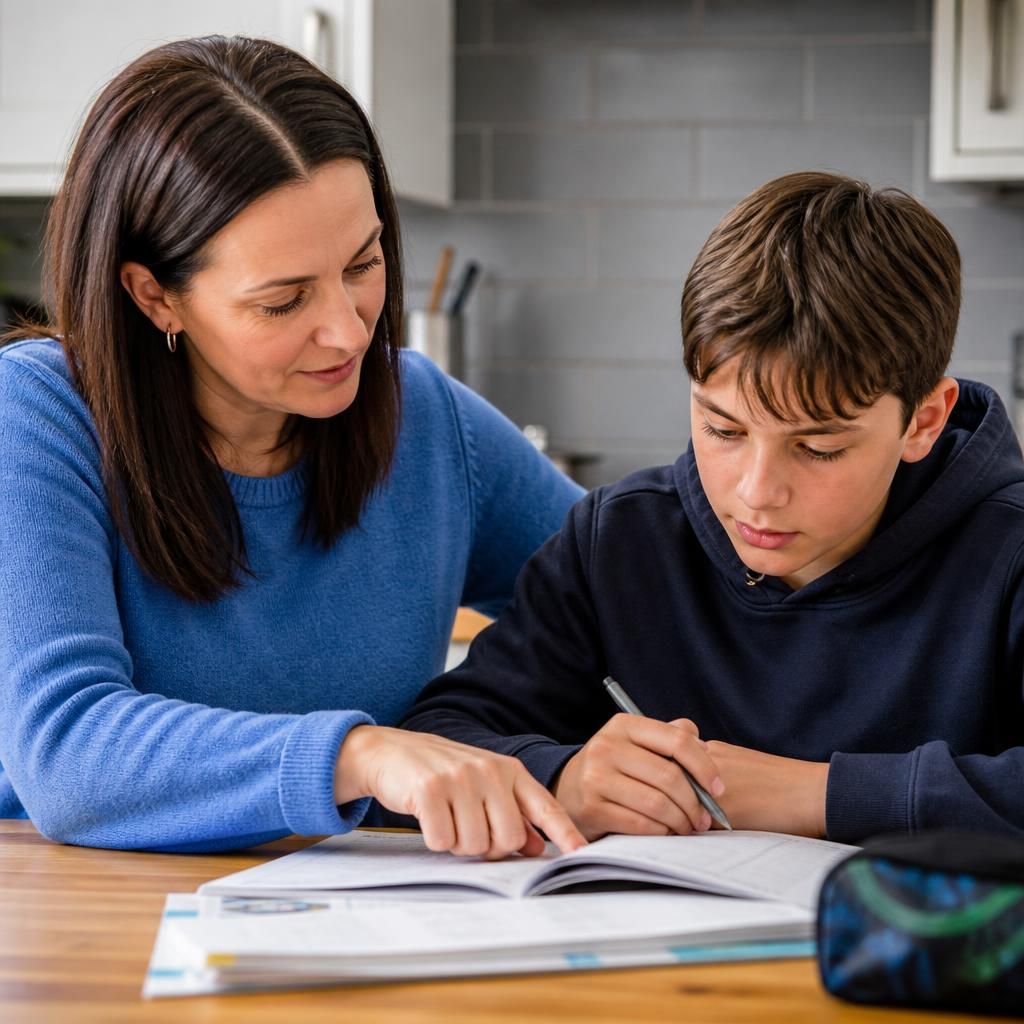
Adult helping a young person organise schoolwork at home

Confidence Grows Through Encouragement

Foster carers can support confidence by recognising effort, listening carefully and helping a child set realistic goals. Progress may involve taking part in a new activity, managing a task independently or expressing an opinion. Consistent encouragement helps children recognise their own abilities.

Foster carer speaking with a young person while reviewing paperwork

Practical Skills Develop With Experience

Fostering can strengthen practical skills such as planning, record-keeping, advocacy and communicating with professionals. Carers learn to share relevant information appropriately, prepare for meetings and contribute to decisions about a child’s education, health and care.

Family talking together with a globe and books on a table

A Wider Understanding of Children’s Lives

Living alongside a child with different experiences can encourage household members to think more carefully about identity, culture, relationships and disadvantage. This broader perspective can support respectful conversations and help families respond to individual needs rather than making assumptions.

Understanding the Foster Carer Recruitment Process

A foster carer recruitment officer helps prospective applicants understand whether fostering is suitable for their household and circumstances. During an initial conversation, they can discuss practical requirements such as accommodation, household relationships, health, employment, finances and the space available for a child.

Applicants then complete formal checks and assessments, which may include identity and criminal record checks, references, health information, home visits and conversations with household members. These steps help the fostering service understand the applicant’s strengths, experience and support needs before a recommendation is made about approval.

Preparation training develops knowledge of safeguarding, attachment, behaviour, identity, contact with birth families and working with professionals. The recruitment team also explains the ongoing supervision, advice and financial allowances available to approved carers, so applicants can make an informed decision before proceeding.


Foster Carer Recruitment: Your Questions Answered

Can I foster while working full-time?

Recruitment usually starts with an informal enquiry, followed by checks, assessment, preparation training and panel consideration. You can ask about eligibility, household circumstances, support and allowances before deciding to apply.

What qualifications do I need to become a foster carer?

Most fostering services do not require formal childcare qualifications. They look for maturity, reliability, good communication, health, suitable accommodation and the ability to meet a child’s needs safely and consistently.

Can I foster if I rent my home?

Renting does not automatically prevent fostering. You’ll usually need written landlord permission, while the property must offer suitable, stable accommodation and an appropriate bedroom for a child in placement.

Can single people become foster carers?

Yes. Single applicants can foster if they can provide safe, consistent care and meet the service’s assessment requirements. A strong support network may also help manage fostering’s practical demands effectively.

Can I foster if I have children of my own?

Yes, having children of your own does not automatically prevent approval. Assessors consider household routines, children’s views, available space, relationships, and how fostering may affect family life together over time.

Who Foster Carer Recruitment Is For

Foster carer recruitment can suit people at different stages of family and working life, including single applicants, couples, households with children, and those bringing relevant experience from education, health, childcare or community roles.

  1. 1

    Your children have grown up

    Fostering may suit households whose children are older or have moved on, leaving more space and capacity at home. Recruitment discussions can help you consider how fostering would affect your routines, relationships and wider family network.

  2. 2

    You have a suitable room at home

    A spare bedroom can be an important practical consideration when exploring fostering. The assessment looks at the available space and home environment, alongside the household’s ability to provide consistent care and privacy for a child or young person.

  3. 3

    You work or run a business

    People in employment or self-employment can explore whether fostering fits around their responsibilities. The recruitment team can discuss your working pattern, the time involved in caring, and how your household could manage appointments, training and professional meetings.

  4. 4

    You have relevant life experience

    Experience of supporting children, young people or families can help you reflect on whether fostering is right for you. This may come from informal caring, community involvement or personal experience, as well as from paid education, health or childcare work.

  5. 5

    You want to understand the role before applying

    Recruitment is suitable if you are interested in fostering but need clearer information before making a decision. An initial discussion can help you consider the responsibilities, assessment requirements, preparation training, supervision and financial allowances involved.

  6. 6

    Your household is ready to consider a new responsibility

    Fostering affects everyone who lives in the household, so it can suit people who are prepared to discuss the role openly and consider its practical impact together. The assessment includes household relationships and conversations with those who may be affected by fostering.

Reliable Guidance

Recruitment gives you clear answers, practical information and time to consider whether fostering is right for your household before applying.

Questions to Ask About Foster Carer Recruitment

What checks are involved in foster carer recruitment?

Before applying, check household suitability, including space, stability, health and time. A recruitment officer can clarify eligibility, required checks, preparation and training, plus assessment steps, helping you decide whether to proceed.

What training is included in foster carer recruitment?

Preparation training typically covers safeguarding, child development, trauma, behaviour, safer caring, recording and working with families. Ask how sessions combine learning, discussion and practical guidance for fostering responsibilities in practice.

What support is available after I become a foster carer?

After approval, support may include regular supervision, placement planning, review meetings, advice on safeguarding and behaviour, peer networks, and guidance with records, referrals and maintaining safe care throughout each placement.

How long does foster carer recruitment take?

Timescales vary according to application readiness, checks, training and assessment. Ask the recruitment team for a stage-by-stage estimate including preparation, panel decisions and approval arrangements for your circumstances and household.

What financial support is available to foster carers?

Financial support may include fostering allowances and other agreed payments, depending on the child’s needs, approval status and placement arrangements. Ask for current rates, payment schedules, tax guidance and expenses.

Talk to Our Foster Carer Recruitment Officer

If you are considering fostering, contact our local team to discuss your questions and circumstances. We can explain the next steps in foster carer recruitment, including initial enquiries, preparation, assessment and the support available throughout the process.

Contact Our Team