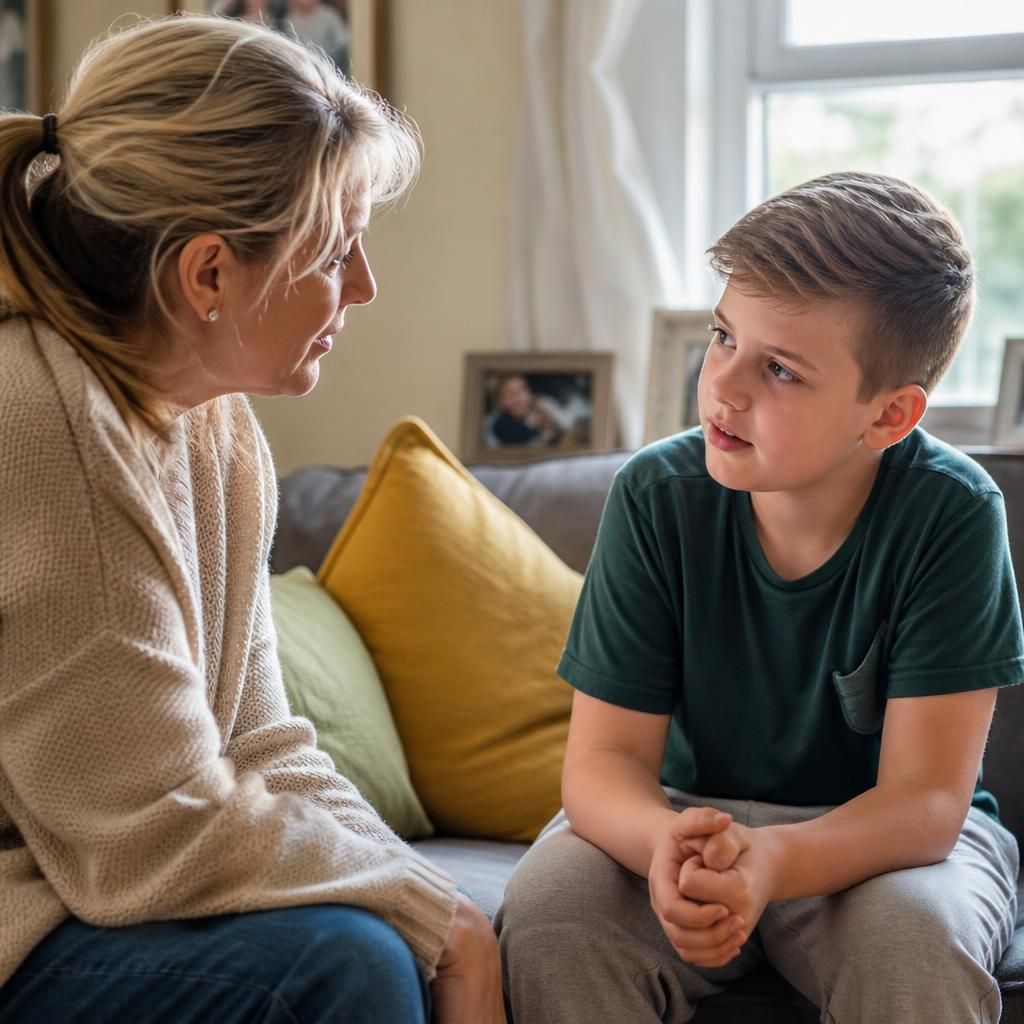
Connected person foster care is an arrangement where a child is placed with someone they already know, such as a relative, family friend or another person with an established relationship with them. The child remains looked after by the local authority, while the connected person foster carer provides day-to-day care under an agreed plan.
Children’s services normally identify a potential connected carer when a child needs a placement and complete an assessment before approval. This includes suitability checks, references, household and home assessments, health information and consideration of the carer’s ability to meet the child’s needs. Where a placement is needed urgently, a local authority may use a Regulation 24 arrangement, known as temporary approval, while the fuller assessment continues.
Approved carers receive preparation training and guidance on safeguarding, children’s development, managing behaviour, family contact and working with professionals. A supervising social worker or another member of the fostering team provides ongoing support, and an allowance is generally available to help meet the costs of caring for the child. Connected foster care is different from a child arrangements order or special guardianship, which change the legal basis of care and have separate assessment and support arrangements.