An informed first step
An initial conversation with the fostering team helps you understand the route to approval and decide whether to explore fostering further.

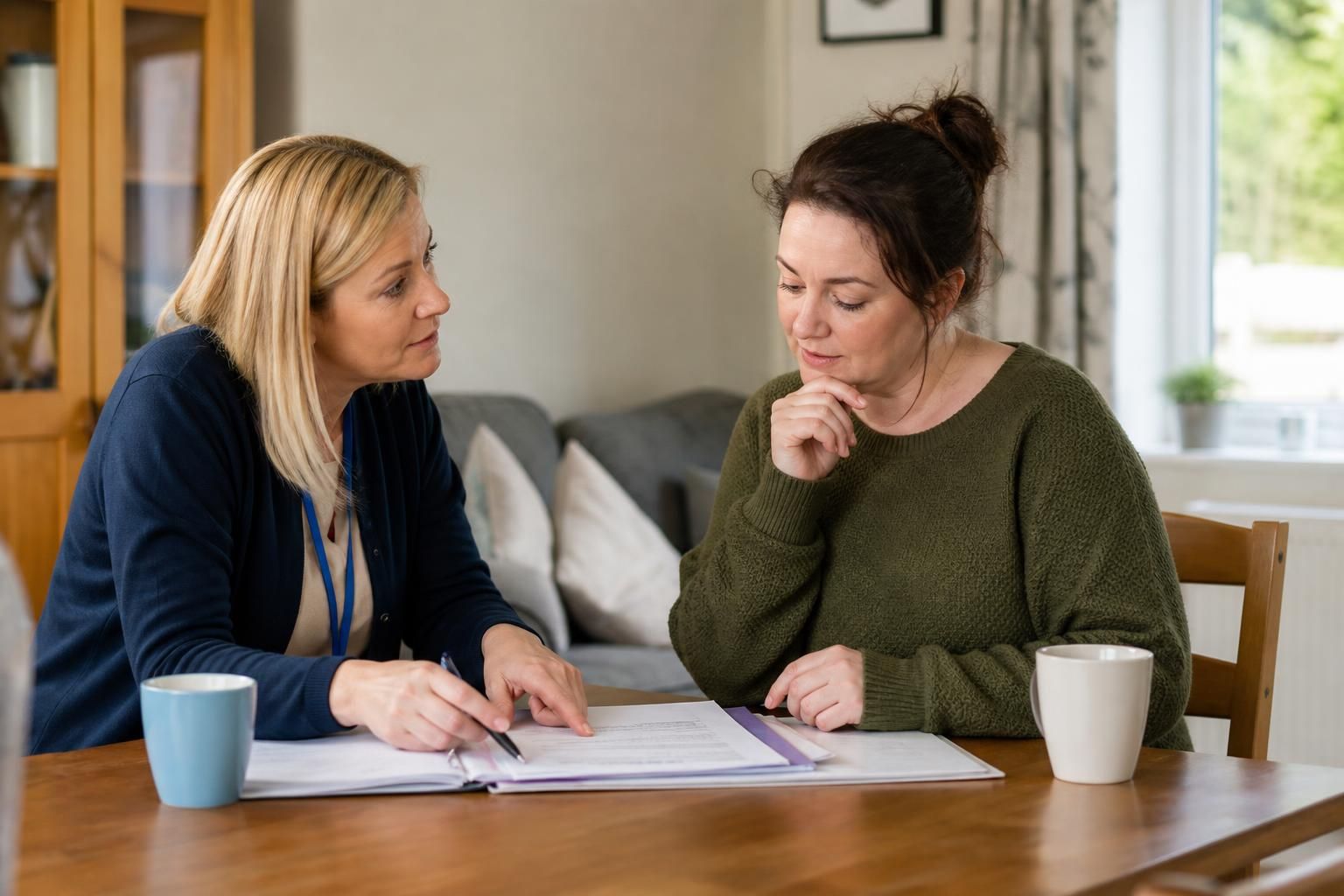
Becoming a foster carer involves enquiry, assessment, checks, training and approval, so the timescale varies between applicants. This guide explains each stage, what can affect progress and how to begin with an initial conversation with our fostering team.
Partnering with an
Ofsted Outstanding Provider

How long it takes to become a foster carer is measured from your enquiry to approval, not only from submitting an application. The assessment considers your circumstances, household and ability to meet children’s needs, so there is no single timetable.
Some parts can happen alongside one another. You may complete preparation training while checks and assessment visits are under way. Delays can occur if information is incomplete, appointments are difficult to arrange, or other agencies need to provide records.
You can help keep the process moving by giving accurate information, returning forms promptly and discussing household changes with your fostering team. Ask what the next milestone is after each stage, so you know which decisions or documents remain outstanding.
Understand the key assessment stages, likely timescales and practical steps involved before deciding when to begin your fostering application process.
Before approval, foster carers receive guidance, preparation training and advice about the responsibilities involved. This helps you assess whether fostering fits your household and circumstances, and understand what the assessment requires.
After approval, ongoing support helps you develop skills and understand children’s needs. Information about financial support and local services helps you make informed decisions throughout your fostering journey.
An initial conversation with the fostering team helps you understand the route to approval and decide whether to explore fostering further.
You receive clear information about fostering responsibilities, household considerations and the factors explored during assessment.
Training helps you build your understanding of fostering before approval and consider how you would respond to children’s needs.
Support with the assessment process helps you understand the stages involved and identify the information or actions still needed.
Once approved, continued guidance helps you develop your fostering skills and apply your learning to children’s changing needs.
You can discuss financial support and relevant local services as part of planning for the practical responsibilities of fostering.
Check who makes the approval decision and how your assessment evidence is presented. Understanding the panel’s role helps you prepare relevant information and distinguish guidance from formal approval decisions clearly.
Checks commonly include identity, criminal-record history, health, finances, references, household safety and previous experience. The assessing team may also speak with household members and other relevant professionals before formal approval.
Initial fostering training can begin during assessment, once your circumstances are discussed and basic information is gathered. It prepares you for care responsibilities while remaining suitability checks continue alongside them.
If your circumstances change, tell the assessing team promptly. They can review how the change affects suitability, household arrangements or required evidence, then explain any additional steps before formal approval.
Assessment length varies because the assessing team must understand your household, experience and ability to meet children’s needs. Ask for an individual timetable, including visits, evidence requirements and decision milestones.
The route to approval includes several linked tasks, from confirming eligibility and gathering household information to completing statutory checks, assessment discussions and panel consideration. Knowing what each task involves makes the overall timescale easier to understand.
The process begins with an initial conversation about your circumstances, household and reasons for fostering. The fostering team can explain the basic eligibility requirements and whether fostering appears suitable for your situation before you proceed.
If you decide to continue, you provide information about your home, relationships, employment, health and household members. Giving a complete account at this stage helps the assessment focus on the areas relevant to your fostering plans.
Required checks and references help establish whether fostering would be safe and appropriate for you and any children in your household. This may involve information from relevant agencies and people who know you well.
A social worker assesses your experience, strengths, support network, home environment and ability to care for children with different needs. Visits and discussions give you opportunities to ask questions and consider how fostering would affect everyday family life.
Training introduces the practical and safeguarding responsibilities involved in fostering. It helps you consider attachment, behaviour, identity, safer caring and working with professionals before approval is considered.
Once the assessment information is complete, it is presented for panel consideration. The panel makes a recommendation based on the evidence, after which the fostering service makes the approval decision and confirms the type of fostering that is suitable.
How long it takes to become a foster carer depends on how quickly the required information, checks, training and assessment can be completed. There is no standard timescale that applies to every applicant, because the process must reflect your household and the type of fostering you may be approved to provide.
Before approval, you will need to show that you can offer children a safe, stable and suitable home. This may include references, health information, criminal record checks, household discussions and preparation training. The assessment also gives you opportunities to understand the responsibilities involved and decide whether fostering is right for you.
Once your assessment is complete, an independent fostering panel considers the evidence and makes a recommendation about approval. Your fostering service then makes the final decision. If approved, you can discuss suitable placements, ongoing training and the practical support available as you begin your role as a foster carer.
You do not need to have every answer before enquiring. Prepare by discussing fostering with household members, considering available space and identifying questions about daily routines, training and support arrangements.
Yes, full-time employment does not automatically prevent fostering. You must show that your work arrangements allow reliable care, attend training and appointments, and meet each child’s needs consistently at home.
Basic requirements usually include being at least 21, having a spare bedroom, secure housing, and legal permission to live in the UK. Applicants also need health checks, references and suitability.
Renting does not automatically prevent fostering. You will need your landlord’s permission, a suitable home and enough space. These arrangements form part of assessment before approval as a foster carer.
Yes. Single people can become foster carers. Assessment considers suitability, home, availability and ability to meet children’s needs, including whether you have reliable support from family, friends or trusted adults.
If you are considering becoming a foster carer, contact our fostering team to discuss your circumstances, ask questions about the assessment, and understand the practical next steps before deciding whether to begin your application.