Become A Foster Family

Help Keep Siblings Together

Fostering siblings together means providing one safe, stable home for brothers and sisters who need foster care, helping preserve important relationships while meeting each child’s individual needs. Training and support help you assess whether this placement is right.

Start Your Journey Today

Partnering with an
Ofsted Outstanding Provider

The Difference a Foster Family Can Make

Fostering siblings together gives brothers and sisters the opportunity to retain familiar relationships during a period of major change. A foster family can help children maintain shared routines and interests, while recognising that each child may respond differently to living away from home.

Small, consistent actions can make family life more manageable: including siblings in everyday decisions, making space for individual conversations and supporting contact with important people. These experiences can help children feel listened to and respected, rather than defined by their circumstances.

For carers, welcoming siblings can bring a strong sense of purpose. It also requires patience, organisation and willingness to learn. Training, guidance and regular support help carers understand each child’s needs and build confidence in their role.

Changes Fostering Siblings Can Bring to Family Life

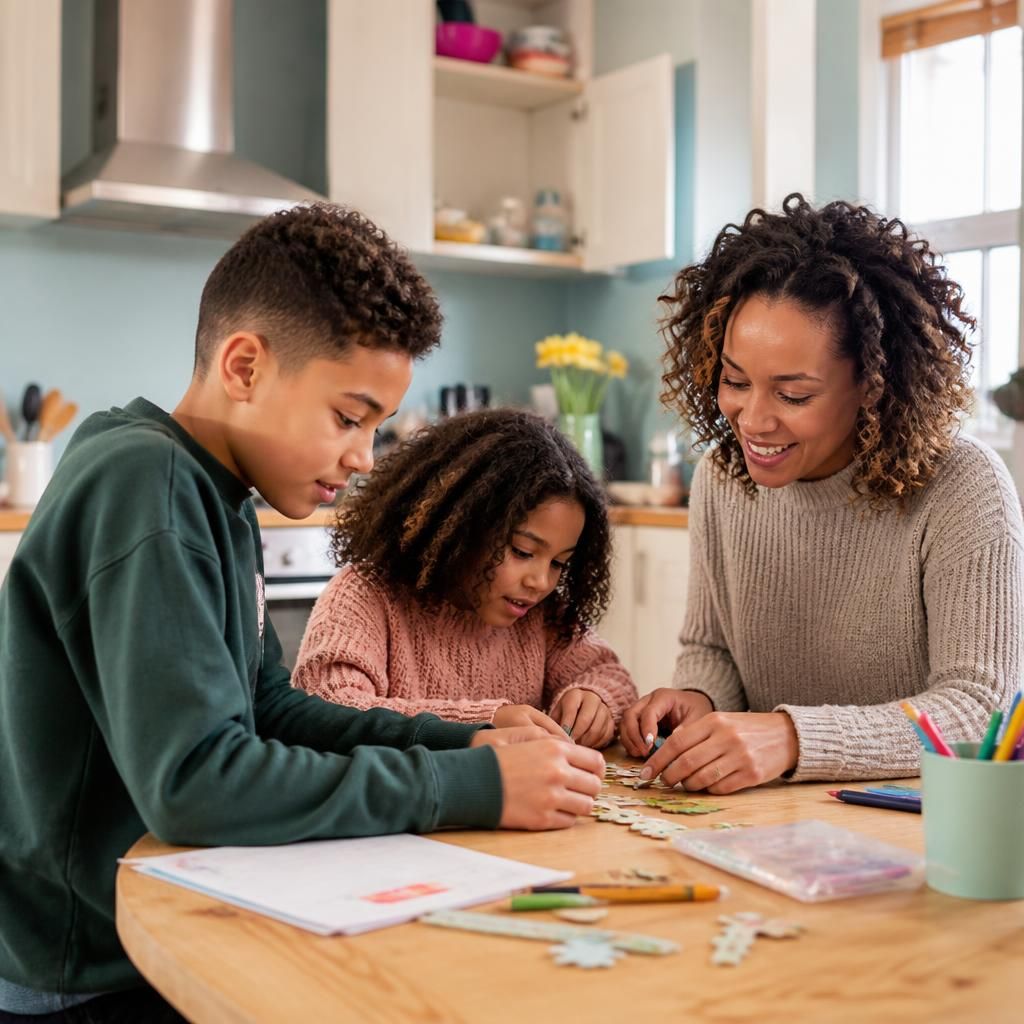
Foster carer helping siblings with a shared household activity

Building Relationships Through Shared Routines

Regular routines such as meals, school preparation and household activities can give siblings familiar points of connection. Over time, these shared experiences may help relationships develop naturally, while carers remain attentive to each child’s comfort, personality and need for individual attention.

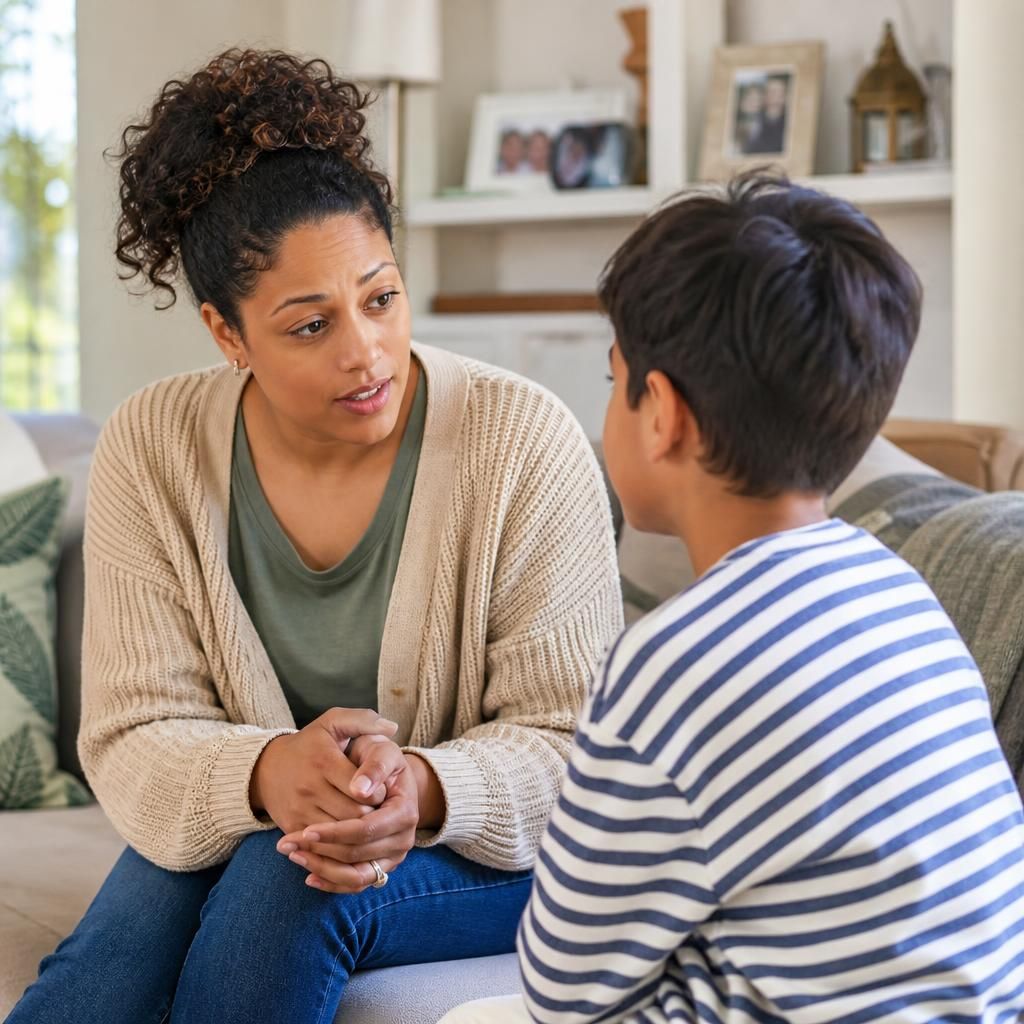
Foster carer talking with a child at home

Growing in Confidence as a Carer

Caring for siblings can strengthen a carer’s confidence in making balanced decisions. As carers learn more about the children’s communication styles, interests and responses to change, they can become better equipped to provide structure while adjusting their approach when circumstances change.

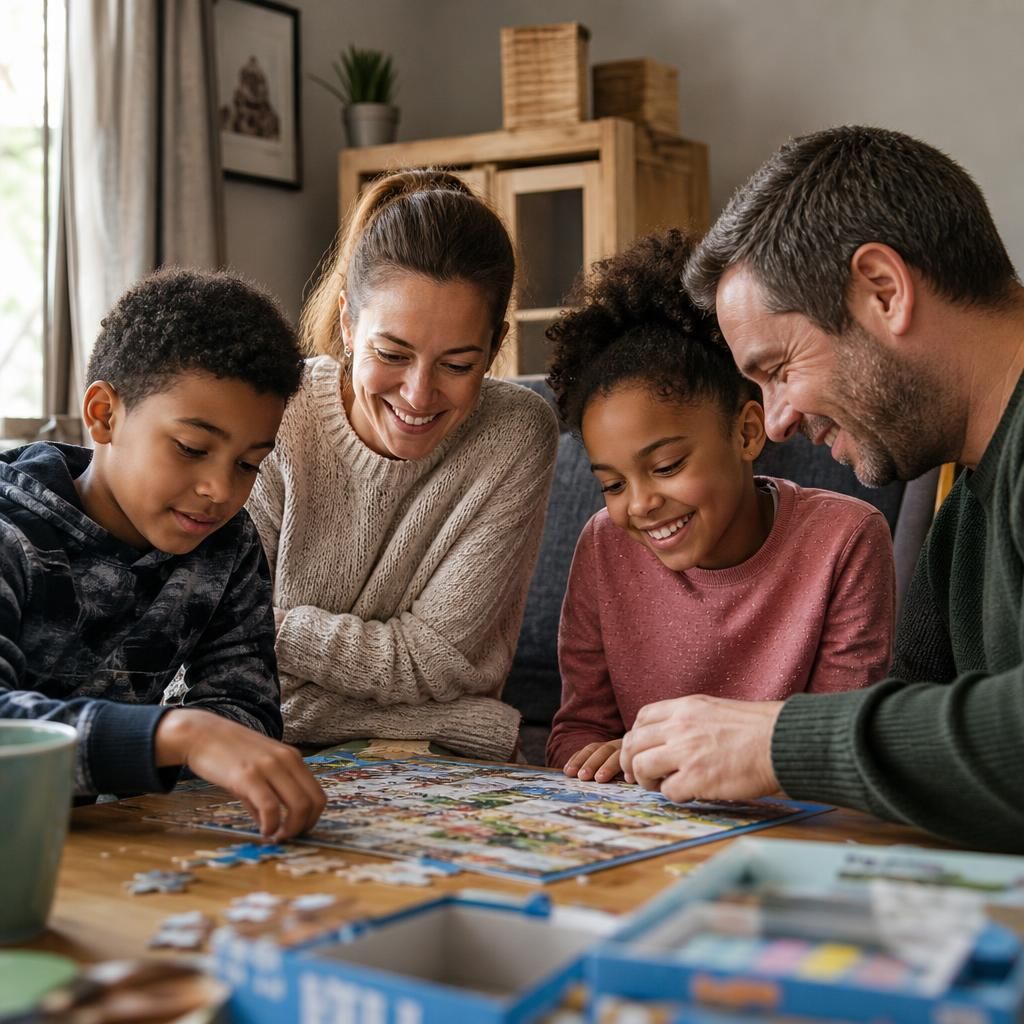
Children taking part in an everyday activity with their foster family

Learning to Manage Different Needs

Siblings may not need the same type or level of support. One child may need encouragement to speak about feelings, while another may benefit from clear preparation before changes to plans. Responding thoughtfully to these differences can develop a carer’s ability to observe, prioritise and provide support without comparing the children.

Foster family completing an activity together at home

Developing Skills That Support Family Life

The experience can extend practical skills beyond day-to-day organisation. Carers may become more confident in listening, explaining decisions, setting boundaries and working with professionals involved in the children’s care. These skills can support clearer communication across the household.

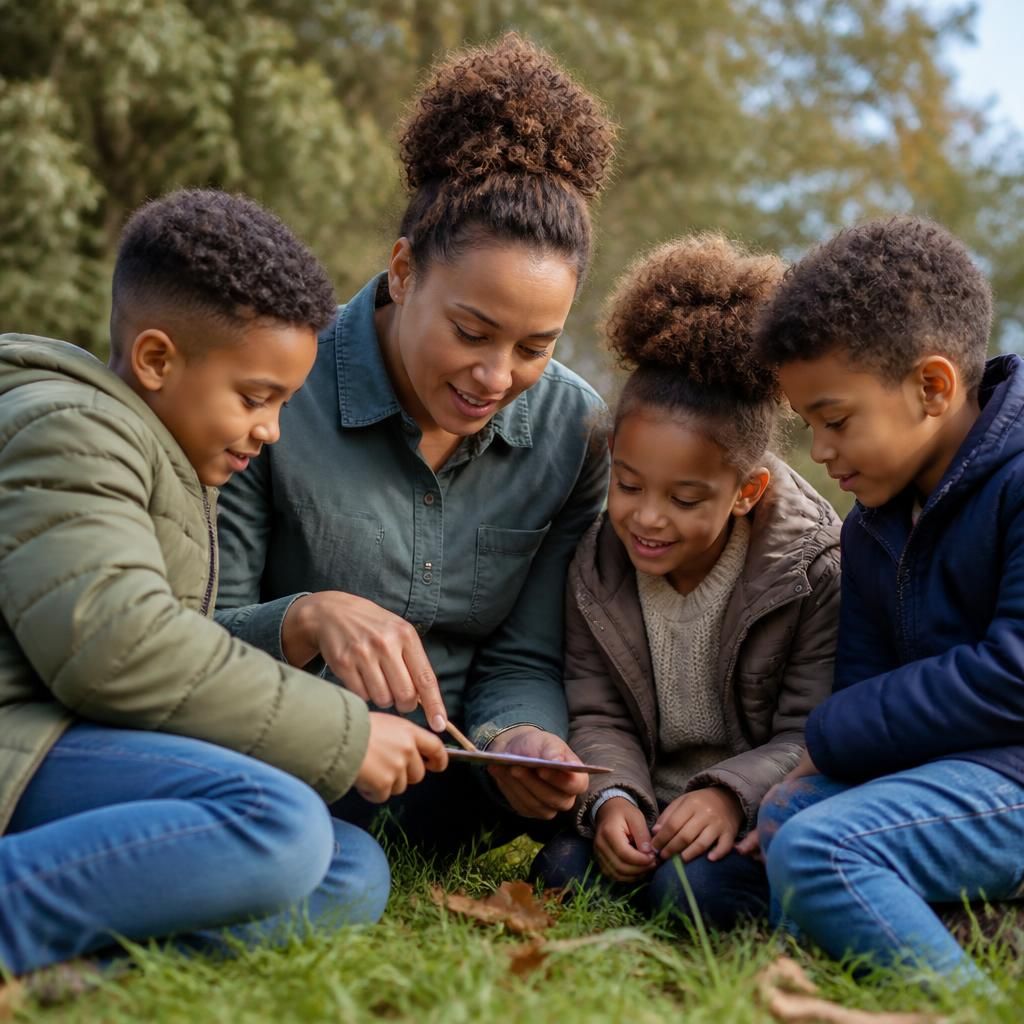
Foster siblings and carer spending time together outdoors

A Wider Understanding of Family Experiences

Fostering can help everyone in the household understand that families and childhood experiences are not all the same. With suitable guidance and open conversations, existing children can learn about respect, privacy and inclusion, while siblings in placement can feel recognised as individuals within the wider family environment.

Understanding Sibling Foster Placements

Fostering siblings together means caring for two or more brothers or sisters in the same foster home, rather than placing them separately. Keeping siblings together is considered where it is safe and appropriate, because they may provide one another with familiarity and reassurance during a period of change. However, each child’s needs, relationships and experiences must be assessed individually.

Before a placement is agreed, the fostering team considers the available space, household routines, ages of the children and any support they may require. Carers need to show that they can meet different needs fairly, manage relationships within the sibling group and provide each child with suitable attention and privacy. A sibling placement may not be suitable if living together could place one or more children at risk or prevent their needs from being met.

When siblings cannot live in the same home, planning usually focuses on maintaining safe and meaningful relationships through contact arrangements. If you are considering fostering siblings in foster care, the assessment process gives you an opportunity to discuss your circumstances, practical considerations and the kinds of placements you may be able to offer. Your local fostering team can explain how matching decisions are made and what support is available for the placement.


Questions About Fostering Siblings Together

Do siblings need separate bedrooms in foster care?

Usually, siblings are considered for the same foster home when this meets everyone’s needs safely. Decisions consider relationships, risks, practical arrangements and each child’s welfare individually before placement is agreed.

What training do foster carers receive for sibling placements?

Training for sibling placements covers trauma, attachment, safeguarding, managing relationships and meeting differing needs. Foster carers receive guidance on household organisation, contact arrangements, recording, and placement-specific care planning and support.

Can siblings be separated after placement in foster care?

Yes, separation can occur if circumstances change or living together becomes unsafe or unsuitable. Decisions are reviewed with the children’s welfare central, alongside contact planning to preserve important sibling relationships.

How are sibling relationships supported in foster care?

Carers can help siblings recognise each other’s feelings, resolve everyday disagreements fairly and preserve each child’s identity, while professionals monitor relationships through reviews and care planning over time where necessary.

When Might Fostering Siblings Together Be Suitable?

Different sibling placements call for different household strengths. The situations below highlight when fostering siblings together may be a realistic option, from preparing for varied care needs to considering how a placement fits your family’s existing commitments.

  1. 1

    You have space for a sibling group

    Fostering siblings together may suit households with enough space for two or more children to live safely and comfortably. The assessment considers bedrooms, privacy, shared areas and how the household would function with additional children.

  2. 2

    You can support different ages

    Sibling groups may include children at different developmental stages, with varied routines, school arrangements and levels of independence. This option may suit carers who can organise family life around each child’s needs.

  3. 3

    You can give each child individual attention

    Although siblings share a home, each child needs to be treated as an individual. Fostering siblings together may suit people who can make time for separate conversations, interests and support as well as shared activities.

  4. 4

    You are confident managing busy family routines

    Caring for siblings can involve coordinating school, appointments, activities, meals and bedtime routines for more than one child. It may be suitable if you are organised and willing to adapt your household routines.

  5. 5

    Your household can welcome siblings alongside existing children

    Some households consider sibling fostering while already caring for birth children or other children. The assessment looks at how a new placement could affect everyone in the home and whether relationships can be managed safely.

  6. 6

    You can help siblings maintain their relationship

    Fostering siblings together may suit carers who understand the importance of shared history and familiar relationships. You would need to support positive interaction while responding appropriately if the children need individual boundaries or help with conflict.

Expert Guidance

Your circumstances are considered carefully, so decisions about fostering siblings together remain informed, practical and centred on every child’s needs.

Questions to Ask Before Fostering Siblings Together

Talk to Our Fostering Team About Sibling Placements

If you are considering fostering siblings together, contact our fostering team to ask questions about the assessment process and what this type of placement could involve. A conversation can help you decide whether it suits your household.

Ask Our Team