Become A Foster Family

Help Find a Foster Family

Finding a foster family means identifying a safe, suitable home for a child or young person who cannot live with their birth family. Through assessment, matching and ongoing support, fostering can give them stability, care and a stronger sense of belonging.

Start Your Journey Today

Partnering with an
Ofsted Outstanding Provider

The Difference a Welcoming Foster Family Can Make

A welcoming foster family provides more than a place to stay: it gives a child dependable adults, clear routines and space to express feelings. This consistency can help them understand expectations and begin to feel more secure in everyday life.

Foster carers can make a practical difference by listening without judgement, recognising individual needs and encouraging education, hobbies and positive relationships. They also work with professionals and, where appropriate, birth family members, helping the child maintain important connections while adjusting to change.

For adults considering fostering, this role offers a purposeful way to use their time, experience and household to support a young person’s development. It involves responsibility and patience, but careful preparation and ongoing guidance help carers respond thoughtfully to each child.

How Fostering Can Shape Family Life Over Time

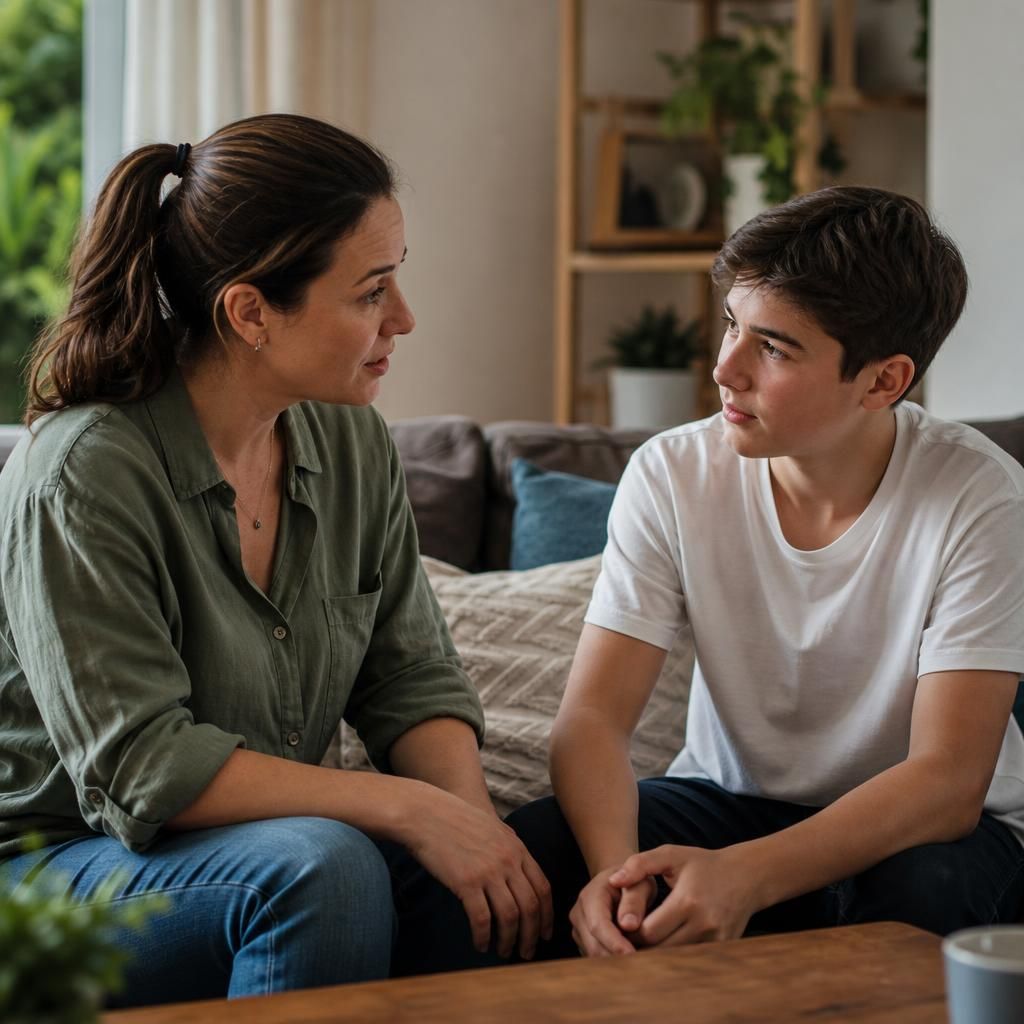
Foster carer talking with a young person at home

Building Trust Through Consistent Relationships

Foster care can help household members understand how trust develops through reliable, respectful interactions. Keeping agreements, listening carefully and responding consistently can support a young person as they build confidence in the adults around them. These approaches can also strengthen communication between everyone in the household.

Foster family completing an activity together

Developing Confidence in Everyday Skills

Foster carers often develop greater confidence in handling conversations, routines and decisions that take account of a child’s individual needs. With guidance and reflection, they can become more comfortable advocating for the young person, sharing relevant information and asking for professional advice when needed.

Family planning activities around a kitchen table

Learning to Adapt as a Household

Fostering may require a family to review how it organises meals, school commitments, appointments and personal space. Planning together can make changes more manageable and help each household member understand their role. This practical flexibility can become a useful part of family life while keeping the child’s needs central.

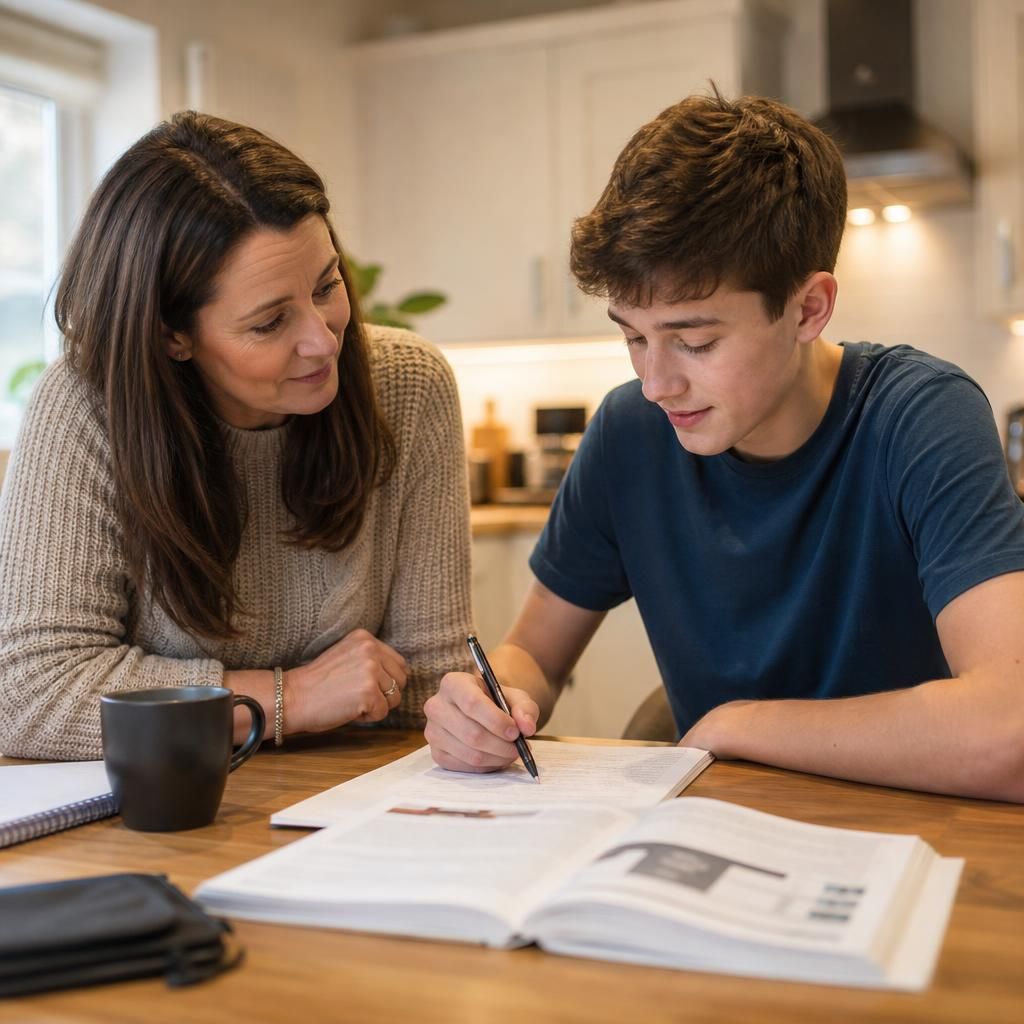
Foster carer supporting a young person with schoolwork

Recognising Individual Strengths

A foster family can learn to look beyond behaviour and consider the experiences, abilities and interests influencing a young person’s responses. Encouraging suitable hobbies, education and positive routines may help the child recognise their own strengths. Carers can also gain a more thoughtful approach to identifying progress and setting realistic expectations.

Foster family speaking with a support professional

Gaining a Wider Understanding of Care

Experience of fostering can broaden a family’s understanding of safeguarding, identity, trauma and the importance of maintaining appropriate relationships. Training, supervision and contact with the wider support network help carers consider different perspectives and make informed decisions. This learning can shape how the household responds to change and manages future challenges.

Understanding How a Foster Family Is Found

Finding a foster family is the process of identifying an approved foster home that can meet a particular child’s needs when they cannot live with their birth family. The child’s social worker and placing authority consider the information available about the child before requesting a suitable placement.

Matching looks beyond the age and number of children in a household. It may consider the child’s routines, health, education, culture, identity, relationships, contact arrangements and any behaviours or experiences that require additional support. The household’s skills, experience and practical circumstances are considered alongside these needs.

When a possible match is identified, relevant information is shared with the foster carers so they can make an informed decision. The placing authority, social worker and carers then agree practical arrangements, including the child’s immediate needs, important contacts, education and support. Where circumstances allow, introductions can help the child and carers understand what to expect before the placement begins.


Questions About Finding a Foster Family

Can a child help choose their foster family?

Start by speaking with the child’s social worker or placing authority, who identify approved carers, assess suitability, share relevant information and coordinate arrangements with the potential foster household before placement.

How long does it take to find a foster family?

Timescales vary because each placement depends on the child’s needs, approved carers available, required checks and decision-making. Urgent arrangements may progress faster, while complex circumstances need careful planning and coordination.

Can a foster family support a child with additional needs?

Yes. Approved carers may support children with health, developmental, emotional or behavioural needs, provided their skills, household circumstances and training align. Social workers coordinate specialist advice and ongoing practical support.

Can siblings be placed with the same foster family?

Siblings may be placed together when this supports their welfare and a suitable foster household can meet their needs. Social workers consider relationships, routines, space, matching factors and available support.

Can a foster family decline a placement?

Yes. Foster carers can decline a placement if they believe it does not fit their household’s capacity, skills, safety or commitments. They should discuss concerns with their supervising social worker.

Situations Where a Foster Family May Be Needed

Finding a foster family requires careful consideration of why a child needs alternative care, what arrangements will support them and which approved carers have relevant skills. The situations below show how placement decisions can differ according to each child’s circumstances.

  1. 1

    Emergency or Short-Term Care

    A foster family may be needed at short notice when a child cannot remain safely at home. Short-term carers provide immediate care while social workers assess the situation and decide what should happen next.

  2. 2

    Longer-Term Fostering

    Some children cannot return to their birth family for an extended period. A longer-term foster family can provide consistent day-to-day care while plans for the child’s future are considered.

  3. 3

    Sibling Groups

    Brothers and sisters may need a foster family that can care for them together. Keeping siblings in the same home can help preserve their relationship and provide continuity during a difficult change.

  4. 4

    Teenagers

    Teenagers may need foster care because of family breakdown, safeguarding concerns or changes in their living arrangements. They benefit from carers who can support independence while providing clear boundaries and dependable care.

  5. 5

    Children with Additional Needs

    A child with health, developmental, emotional or behavioural needs may require foster carers with suitable experience and the ability to work closely with professionals. The matching process considers what practical support the child needs each day.

  6. 6

    Planned Breaks in Care

    Some children need a foster family for a planned period while their usual care arrangements change or their birth family receives support. Clear information about routines, contact and responsibilities helps make the arrangement consistent for the child.

Trusted Guidance

Clear information and practical guidance help you assess fostering confidently, with dependable support throughout every stage of application and approval.

Questions to Ask When Finding a Foster Family

What information helps professionals find the right foster family?

Professionals need accurate information about a child’s routines, communication, health, education, relationships, identity and placement purpose. This enables informed matching with carers’ skills, experience, household circumstances and local professional support.

What happens when a potential foster family is identified?

Professionals share relevant placement details, discuss the proposal with carers, and arrange introductions where appropriate. Everyone considers the child’s views, practical arrangements and support plan before jointly agreeing next steps.

Have Questions About Finding a Foster Family?

If you are considering fostering or need to understand how placement decisions work, contact our local team with your questions. We can explain the next steps, eligibility requirements and support available, helping you decide whether to explore an application.

Speak To Our Team