Become A Foster Family

Should I Become a Foster Parent?

Deciding whether fostering is right for you means considering your circumstances, relationships, resilience and capacity to meet a child’s needs. Understanding eligibility, preparation, financial support and ongoing guidance can help you make an informed, confident decision.

Start Your Journey Today

Partnering with an
Ofsted Outstanding Provider

The Difference a Foster Family Can Make

A foster family provides a child or young person with safe, consistent care when they cannot live with their birth family. This means offering everyday routines, clear boundaries and time to listen, while respecting the child’s identity, relationships and experiences.

A welcoming home can help a child feel settled, take part in education and activities, and build confidence in expressing their views. Foster carers also encourage appropriate contact with family members and support children as they develop practical skills for the future.

The role is purposeful because small, reliable actions matter: preparing meals, attending meetings, celebrating progress and remaining patient during difficult moments. It also involves working with social workers, teachers and families. For people ready to contribute steadily, fostering can bring a meaningful sense of purpose.

How Fostering Can Shape Family Life Over Time

Family members discussing plans together at a kitchen table

Communication Becomes More Deliberate

Fostering gives families regular opportunities to practise clear, respectful communication. Talking about routines, feelings, expectations and boundaries can help everyone understand their responsibilities and raise concerns constructively.

Adult and child completing a practical activity together at home

Confidence Grows Through Shared Progress

Supporting a child through unfamiliar experiences can help family members become more confident in adapting their approach. Recognising small steps, listening carefully and offering encouragement can strengthen patience and problem-solving skills.

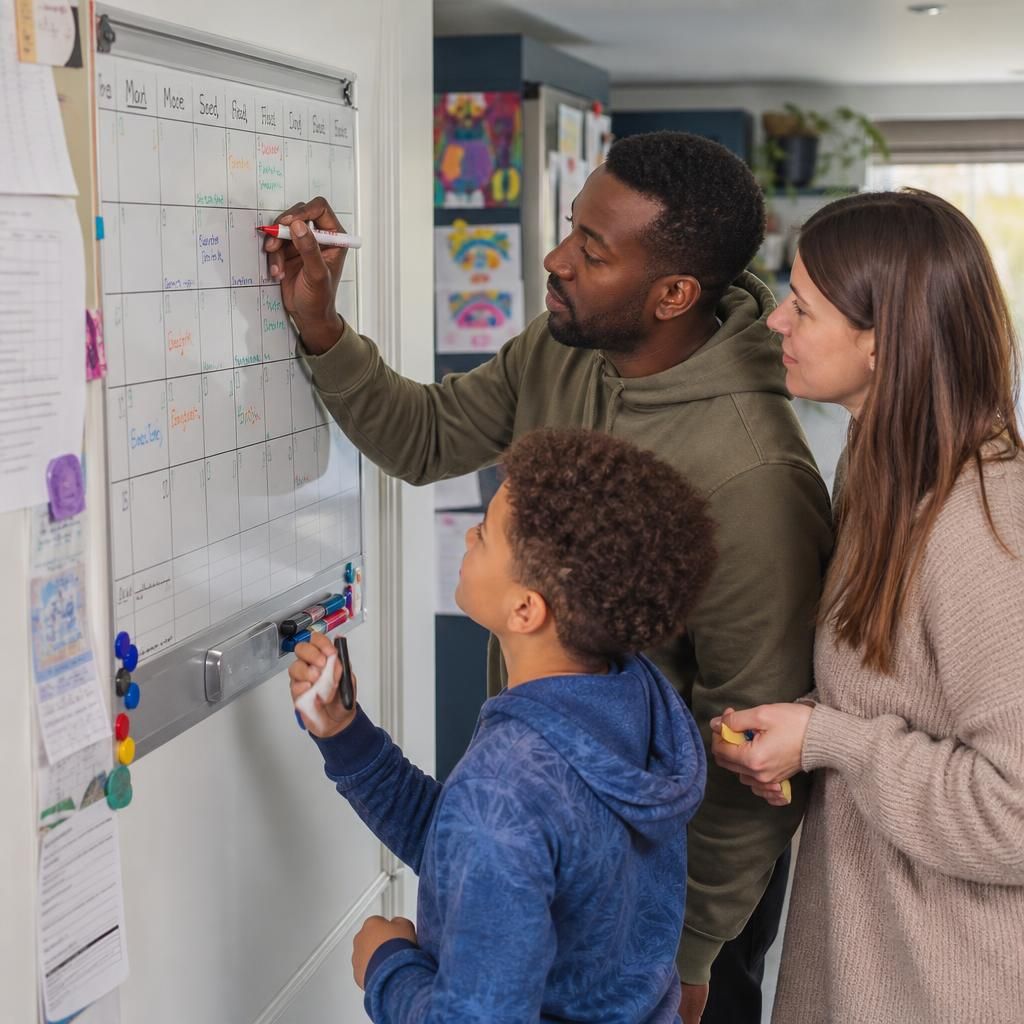
Family organising household tasks on a wall planner

Everyday Skills Become Stronger

Fostering involves planning around appointments, school commitments, activities and changing needs. Sharing tasks and reviewing arrangements can develop practical skills in organisation, advocacy and managing competing priorities.

Children from different backgrounds taking part in a home activity

Children Learn About Different Experiences

Living alongside a child with different experiences can help children in the household develop empathy and a broader understanding of identity, relationships and family life. Adults can support this learning by using age-appropriate conversations and respecting each child’s individual story.

Family members sitting together and reviewing household rules

Relationships Can Become More Intentional

Fostering encourages families to consider how affection, privacy, space and shared time are expressed. Regular check-ins can help maintain secure relationships while making room for a child’s needs and the adjustments that fostering may require.

How to Decide If Fostering Is Right for You

Deciding whether you should become a foster parent means considering whether you can offer consistent care within the expectations of fostering. You do not need to have previous fostering experience, but you do need to meet the relevant requirements and be willing to learn, work with professionals and put a child’s needs first.

Asking “can I become a carer?” is usually the start of an assessment rather than a test you must complete alone. You can discuss your household, accommodation, health, employment, support network and any existing commitments with a fostering team. Checks, references, preparation training and detailed conversations help establish whether fostering is suitable for you and the children who may be placed with you.

It is also sensible to understand the practical arrangements before applying. Foster carers receive guidance, training and ongoing support, while fostering allowances are intended to contribute towards the costs of caring for a child; the amount and arrangements should be explained during the enquiry process. Taking time to ask about matching, professional involvement, respite and how decisions are reviewed can help you decide with a clear understanding of the role.


Questions About Becoming a Foster Parent

Can I become a foster parent if I work full time?

Fostering may suit single people, couples and families, provided they can offer stability, appropriate space, time, commitment and cooperation with professionals throughout assessment, training and care safely and consistently.

Is there an age limit for becoming a foster parent?

Fostering has no fixed upper age limit, but applicants must be at least 21 and able to meet children’s needs. Health, circumstances and suitability are considered individually during assessment carefully.

Do I need previous experience to become a foster parent?

No previous fostering experience is required. Assessment considers your transferable skills, understanding of children’s needs and willingness to complete training, accept guidance and work collaboratively with professionals throughout the role.

Can I become a foster parent if I rent my home?

Renting does not automatically prevent fostering. Your landlord’s permission, suitable accommodation, household stability and ability to provide appropriate space will be considered during assessment, alongside the tenancy’s terms and duration.

Can I become a foster parent if I am single?

Yes. Single applicants can foster, provided they can offer consistent care, suitable accommodation, emotional resilience and reliable support. Assessment considers circumstances, capacity, relationships and ability to work collaboratively with professionals.

Situations Where Fostering May Be Right for You

Fostering may suit people whose circumstances allow them to provide stable care, work constructively with a child’s existing relationships, and adapt as needs change. The following situations may help you assess whether the role fits your household.

  1. 1

    You have suitable space at home

    Fostering may be worth exploring if your home has space that could provide a child with privacy, security and a consistent place to keep their belongings. The fostering assessment will consider your accommodation and whether it is appropriate for the type of placement being considered.

  2. 2

    Your household is settled

    A settled household can provide the predictability children in care often need. Consider whether the people you live with understand the commitment, accept that routines may change and are prepared to take part in the assessment and preparation process.

  3. 3

    You can manage changes to routine

    Placements can affect school arrangements, appointments, family plans and everyday responsibilities. Fostering may suit you if you can organise your commitments around a child’s needs and remain consistent when plans need to change.

  4. 4

    You are single, part of a couple or a family

    Fostering is not limited to one type of household. Single people, couples and families may all consider becoming foster carers, provided they meet the requirements and can offer safe, reliable care. Your individual circumstances will be discussed during assessment.

  5. 5

    You can respect a child’s existing relationships

    Children in foster care may need support to maintain appropriate relationships with their birth family and other important people. The role may suit you if you can respect those connections, avoid making assumptions and help a child manage contact in line with professional guidance.

  6. 6

    You are willing to keep learning

    Fostering involves understanding trauma, behaviour, identity, safeguarding and the effects of change. It may suit you if you are open to preparation training, feedback and developing your approach as you learn more about a child’s needs.

  7. 7

    You have reliable support around you

    A dependable network of relatives, friends or other trusted people can help you manage the practical demands of fostering. You should consider who could provide advice or practical help, while recognising that the approved carer remains responsible for meeting the child’s needs.

Clear Guidance

You do not have to decide alone: clear information and guidance can help you assess whether fostering suits your family.

Questions to Ask Before Becoming a Foster Parent

What training do foster carers receive before approval?

Review your household’s space, employment, health, finances and support network honestly. Discuss potential changes with everyone affected, then seek fostering advice before deciding whether an application is appropriate for you.

Can I foster if I have children of my own?

Having children does not automatically prevent approval. Assess bedrooms, household routines, your children’s views, and how fostering may affect family life; preparation and support help everyone prepare for potential changes.

What support do foster parents receive after approval?

After approval, foster parents receive ongoing assistance, guidance and practical advice, helping them review placements, manage challenges and continue developing their fostering skills throughout their fostering journey.

What financial support do foster carers receive?

Foster carers generally receive fostering allowances intended to contribute towards a child’s everyday costs. Confirm what is covered, how payments work, and any tax or benefit implications before making decisions.

What happens during the fostering assessment?

The assessment involves detailed discussions, checks and references to understand your suitability, household circumstances and ability to care. You can ask questions, provide context and identify matters needing further consideration.

Talk Through Your Fostering Questions

If you are still asking, “Should I become a foster parent?”, contact our team to discuss your circumstances, ask questions and understand the next steps. A conversation can help you explore fostering without committing to an application.

Get In Touch