Become A Foster Family

Make a Difference Through Medical Foster Care

Medical foster care supports children whose health needs require consistent treatment, monitoring or specialist routines within a family home. With appropriate preparation and guidance, foster carers can provide dependable daily care while helping a child develop, participate and feel secure.

Start Your Journey Today

Partnering with an
Ofsted Outstanding Provider

More Than Medical Support: A Place to Belong

Medical foster care gives a child with ongoing health needs the security of family life alongside carefully managed care. A welcoming home can accommodate appointments, treatment routines and rest while helping the child develop an identity beyond their medical needs.

Foster carers can support ordinary childhood experiences suited to the child, including shared meals, education, hobbies and time with trusted people. Consistent encouragement helps children build confidence and make choices, while carers follow professional advice and agreed care plans.

For carers, the role combines practical responsibility with a clear sense of purpose. Progress may appear in everyday steps, such as increased independence, participation or comfort at home. Training, supervision and professional guidance help carers understand needs and reflect on their role.

How Medical Foster Care Shapes Family Life

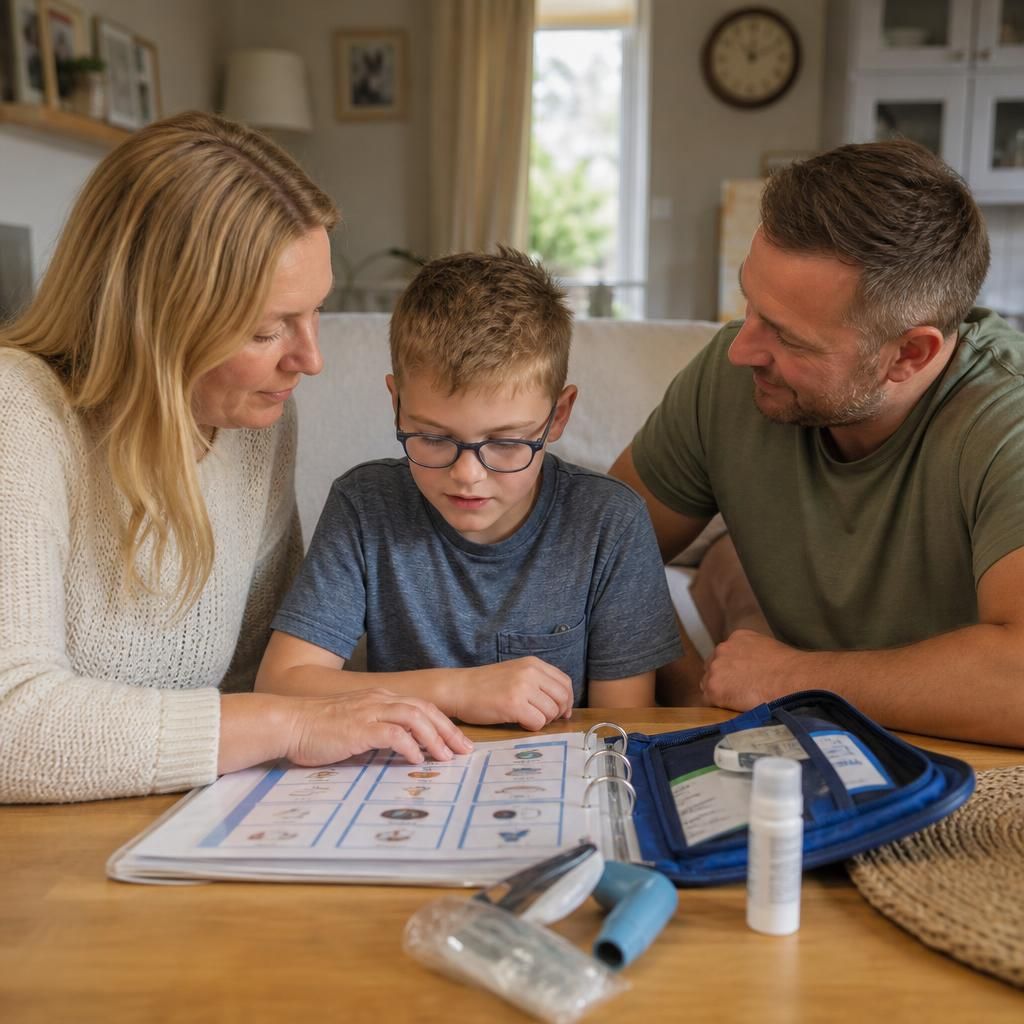
Family members sharing a structured activity at home

Building Confidence Through Predictable Routines

A well-planned routine can make medical tasks easier to understand and less disruptive to family life. As the child becomes familiar with what happens next, they may feel more able to take part in suitable decisions and everyday activities.

Carer and child working together on a household task

Developing Practical Care Skills

Over time, carers can become more confident in organising treatment-related tasks, keeping relevant information clear and noticing when a child may need additional help. These skills can support calmer decision-making and more consistent care at home.

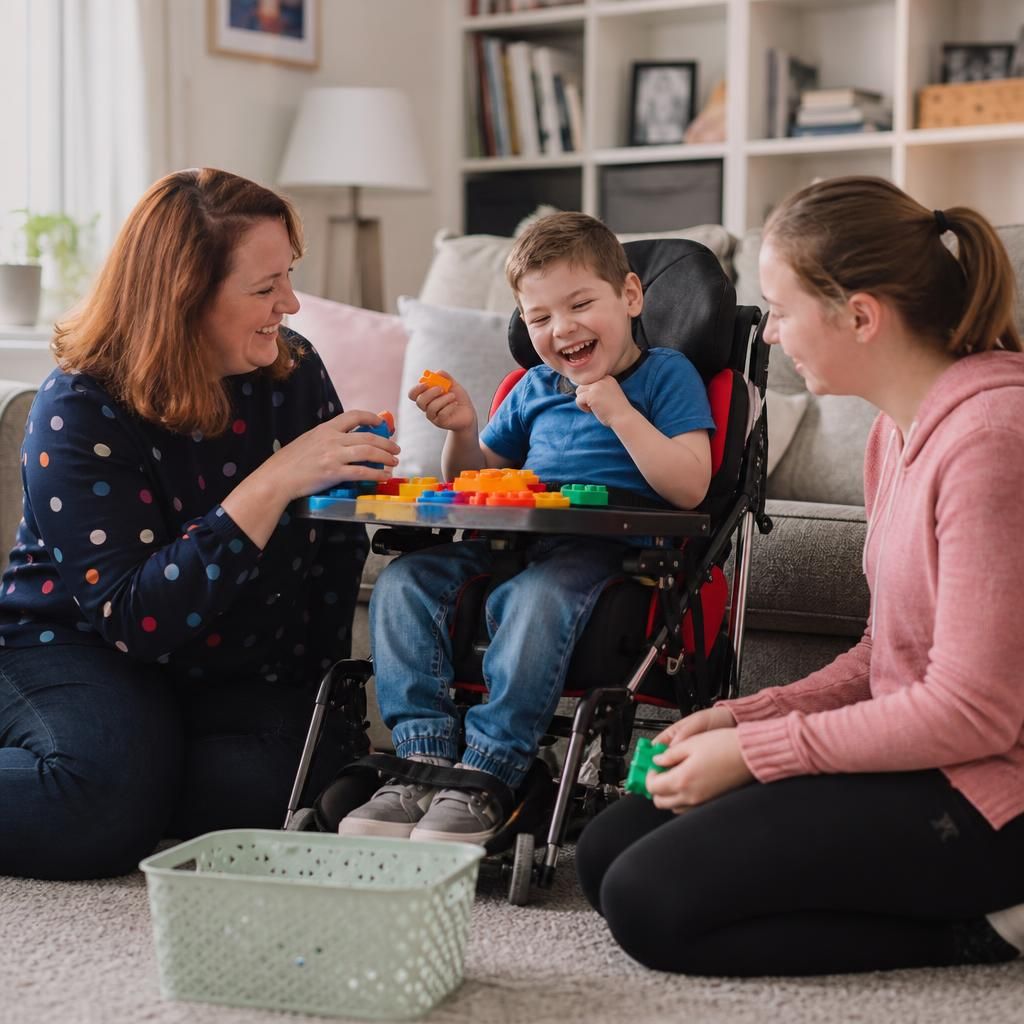
Children and carers spending time together in a family setting

Supporting Positive Family Relationships

Medical foster care can help family members learn how to include the child in shared activities while respecting their energy levels, privacy and personal preferences. Clear roles and thoughtful communication can help relationships develop without making health needs the sole focus of family life.

Carer listening to a child during a calm conversation

Encouraging Independence Over Time

As trust develops, carers can encourage the child to express preferences, understand parts of their care and try age-appropriate tasks safely. Small opportunities for choice can strengthen self-advocacy and help the child recognise their own abilities.

Family learning together at a table

Gaining a Wider Understanding of Inclusion

Caring for a child with medical needs can give a family a more informed understanding of accessibility, disability and the different ways children participate. This wider perspective may influence how family members plan activities, respond to barriers and include other people in everyday life.

Understanding Medical Foster Care

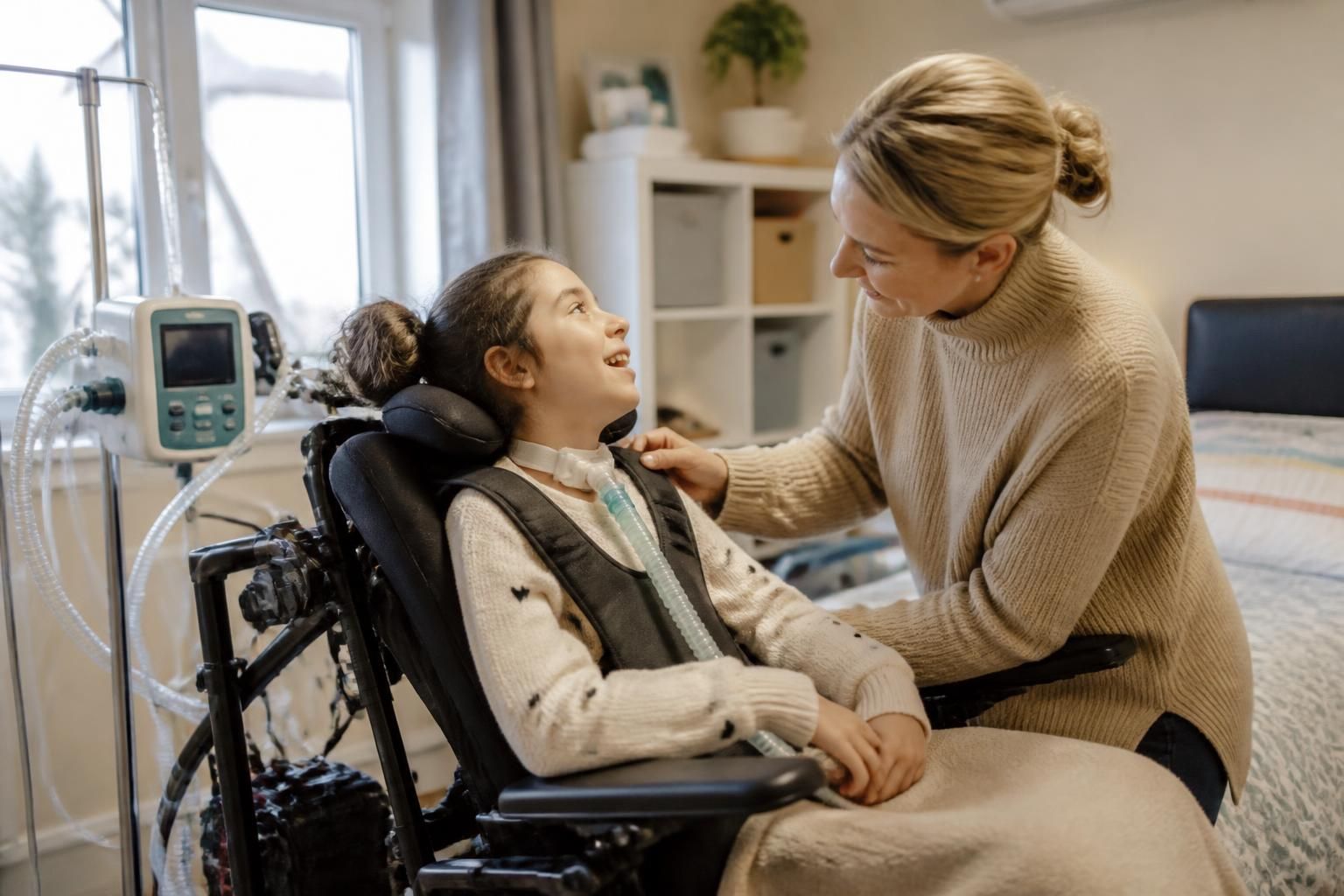
Medical foster care is a placement for a child whose physical health needs require additional care at home. These needs may include prescribed medication, mobility support, specialist equipment, feeding arrangements or close observation of changes in health. The level of responsibility varies between children and is set out clearly before a placement begins.

Foster carers do not diagnose conditions or make independent medical decisions. They follow information provided by healthcare professionals and the child’s agreed care arrangements, keep appropriate records and report concerns through the correct channels. Some tasks may require specific instruction or formal delegation, and carers should only undertake duties for which they have been prepared and authorised.

Before approval, the fostering assessment considers whether the household can provide suitable space, stability and practical care for the child’s needs. It also looks at how medical appointments, equipment, school arrangements and other commitments could fit into family life. The child’s health requirements are reviewed when a placement is considered, so carers can make an informed decision about whether they can meet them.

Medical Foster Care: Frequently Asked Questions

What training does medical foster care involve?

Medical foster care combines family-based fostering with structured support for a child’s health needs. Carers follow agreed clinical guidance while promoting emotional security, development, education, social participation and age-appropriate independence.

Who can become a medical foster carer?

Adults with a stable home, suitable health and sufficient time may apply, whether single, partnered or part of a family. Assessment considers checks, references, household suitability and commitment to fostering.

What financial support is available for medical foster care?

Financial support for medical foster care usually reflects the child’s assessed needs and care responsibilities. Carers should discuss allowances, expenses, equipment-related costs and relevant tax arrangements before accepting a placement.

How are medical foster care placements matched?

Placements are matched by comparing a child’s medical, developmental and emotional needs with carers’ skills, household circumstances, capacity and preferences, alongside professional advice, risk information and support before care begins.

What happens during the medical foster care application process?

The application process usually includes an initial enquiry, information gathering, checks, references, health discussions, household assessment and interviews. Applicants then receive a recommendation for consideration before fostering approval is confirmed.

Situations That May Require Medical Foster Care

Medical foster care may be considered when a child’s health circumstances affect daily family life, such as recovery after hospital treatment, disability-related care, neurological conditions, or equipment use, and ordinary fostering arrangements cannot provide the required level of support.

  1. 1

    After hospital treatment

    A child may need foster care while recovering from surgery, serious illness or another hospital stay. They may require support with rest, medication routines, follow-up appointments and gradual return to education or everyday activities.

  2. 2

    Long-term health conditions

    Some children live with a diagnosed condition that affects their energy, movement, treatment or independence over time. Foster carers may need to follow a consistent care plan and notice changes that should be passed to the relevant professionals.

  3. 3

    Neurological or developmental conditions

    Children with neurological conditions may need help with communication, movement, personal care or managing fatigue. A stable household can provide familiar routines while carers follow professional guidance about the child’s individual needs.

  4. 4

    Complex medication routines

    A child may need prescribed medicines at set times, with records kept and concerns reported through the agreed channels. Carers receive instruction on any duties they are expected and authorised to undertake.

  5. 5

    Feeding and nutritional support

    Some children need carefully managed feeding arrangements because of their health needs. Foster carers may support meals or prescribed feeding routines in line with training, healthcare advice and the child’s care plan.

  6. 6

    Mobility and physical support

    A child may need assistance with moving around, transfers, personal care or positioning during the day. The assessment considers whether the home, equipment and household routines can support these needs safely.

  7. 7

    Regular clinical appointments

    Children with ongoing medical needs may attend hospital, therapy or specialist appointments as part of their care. Foster carers need to consider how appointments, travel, school and family life can be coordinated.

  8. 8

    Health needs requiring close observation

    Some children’s health can change quickly or may need monitoring for specific signs. Foster carers follow clear instructions about what to record, when to seek advice and how to report concerns rather than making medical decisions independently.

Trusted Guidance

You can discuss a child’s medical needs and make an informed decision before agreeing to placement that suits your household.

Key Questions About Medical Foster Care

How is medication managed in medical foster care?

Medical foster care requires clear agreement about who manages treatment, administers medication, records changes and contacts health professionals. Foster carers follow delegated instructions, while clinical decisions remain with qualified practitioners.

How does medical foster care support a child’s education?

Education plans should reflect the child’s health, stamina and attendance needs. Carers liaise with schools and professionals to coordinate adjustments, learning access, communication and transitions without letting illness define them.

Ask Our Team About Medical Foster Care

Have questions about medical foster care? Contact our team to discuss the support involved, understand the assessment process and explore whether caring for a child with complex health needs could be suitable for your household.

Ask Our Team