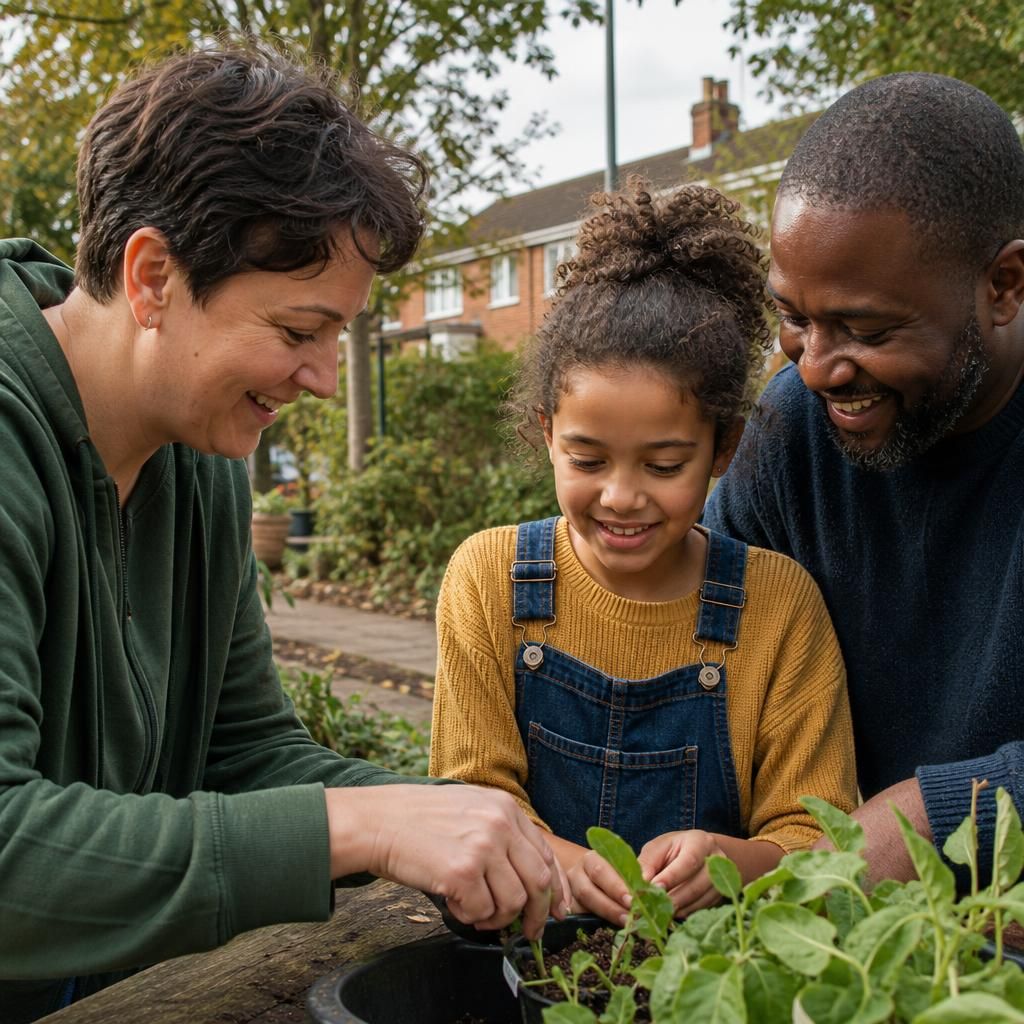
Become A Foster Family

How to Become a Foster Family

Becoming a foster family means opening your home to a child or young person who needs stability, care and encouragement. The process includes assessment, training and ongoing support, helping you understand what fostering involves before you apply.

Start Your Journey Today

Partnering with an
Ofsted Outstanding Provider

Helping Children Build Confidence and Connection

Becoming a foster family means providing more than a spare bedroom: it means offering consistent care, clear boundaries and a dependable adult relationship. Sharing meals, listening without judgement and keeping routines can help create a home where a child feels safer and able to express their needs.

Foster carers work with professionals and, where appropriate, birth families. Sharing information, attending meetings and supporting education, hobbies and contact arrangements can help a child maintain important connections and make progress at their own pace.

The role calls for patience and flexibility, but it can bring a strong sense of purpose. Seeing a child build confidence, learn skills or begin to trust adults shows the practical difference your care makes. Every fostering experience is individual, so willingness to learn matters.


How Fostering Can Change Family Life Over Time

Family members discussing plans together at a kitchen table

Clearer Communication Across the Household

Fostering can encourage family members to explain expectations more clearly and listen carefully to different viewpoints. Regular household discussions can help everyone understand what is working, identify concerns early and contribute to decisions that affect daily life.

Adult and child organising household tasks together

Shared Responsibilities Become More Considered

A foster placement may require the household to review how tasks, privacy and family time are organised. Involving everyone in practical planning can develop cooperation and help family members recognise how their actions affect a child who may be adjusting to a new environment.

Adult supporting a child with a creative activity

Patience Develops Through Everyday Learning

Children may need repeated explanations, encouragement or additional time to manage unfamiliar situations. Responding calmly and adapting an approach can help foster carers and other family members become more patient, observant and thoughtful in how they offer guidance.

Family looking at books and information together

A Broader Understanding of Children’s Experiences

Learning about attachment, trauma, identity and care experience can change how a family interprets behaviour. This knowledge can replace assumptions with more informed questions and support decisions that take account of a child’s history, relationships and individual needs.

Family taking part in an activity outdoors

New Skills Shape Family Confidence

Over time, families can become more confident in preparing for meetings, recording important information and explaining a child’s needs to others. These abilities can strengthen the household’s contribution to planning and help family members approach unfamiliar responsibilities in a more organised way.

Family welcoming a child into a shared home activity

A Wider View of Community and Support

Fostering can help families recognise the importance of schools, health services, social workers, relatives and community groups in a child’s life. Understanding how these networks contribute to care can broaden the family’s perspective and encourage more thoughtful cooperation with people involved in the placement.

What Becoming a Foster Family Involves

A foster family is a household approved to care for a child or young person for an agreed period. Fostering is different from becoming a legal parent: the child’s care is arranged with the local authority, and plans may involve returning home, moving to another placement or progressing to a long-term arrangement.

To become a foster carer, every adult in the household must be considered. The assessment looks at your health, relationships, accommodation, lifestyle and ability to provide dependable care. Applicants also complete background checks and provide references so the fostering service can make a careful recommendation about approval.

Approved carers receive information about each placement and can access professional guidance as circumstances change. Foster carers also receive an allowance intended to contribute towards the costs of caring for a child; the amount and arrangements vary according to the fostering service, placement and child’s needs.

Questions About Becoming a Foster Family

What training is needed to become a foster family?

Training typically covers safeguarding, child development, safer caring, equality, trauma and working with professionals. Pre-approval preparation helps applicants understand responsibilities; ongoing learning continues after approval through reviews and placement-specific guidance.

What is the first step to becoming a foster family?

The first step is contacting a fostering service for an initial discussion. Ask questions, explain your circumstances and learn whether fostering could suit your household before deciding whether to apply.

Can I become a foster parent if I have children?

Having children does not prevent approval. The assessment considers their views, safety, routines and your capacity to meet a fostered child’s needs without disadvantaging children already in the household.

How long does it take to become a foster carer?

The timeframe varies because assessment, background checks, references, preparation training and approval must be completed. Your fostering service can explain each stage and identify anything that may affect overall progress.

Who Becoming a Foster Family May Suit

Fostering may suit people at different stages of family life and with varied household circumstances. The situations below outline how fostering can fit around your relationships, existing children, work commitments and reasons for considering care.

  1. 1

    You are considering fostering on your own

    Fostering may suit an individual applicant who can provide reliable care and engage with the assessment process. Your health, lifestyle, relationships and ability to meet a child’s needs will be considered as part of the assessment.

  2. 2

    You are applying as a couple

    Couples may consider fostering when they can agree how responsibilities will be shared and provide consistent care together. Every adult in the household is involved in the assessment, so both applicants need to understand the role.

  3. 3

    You already have children

    Fostering can be considered by families with birth or adopted children, provided the household can plan for the effect of fostering on everyone. Children already living at home will form part of discussions about routines, space and relationships.

  4. 4

    You work or have other regular commitments

    People with jobs or established commitments may explore fostering by considering how they would manage school routines, appointments, meetings and changes in a child’s needs. The assessment looks at whether your lifestyle allows you to provide dependable care.

  5. 5

    You have suitable accommodation

    Your home does not need to be presented as a perfect family setting, but the accommodation must be considered as part of the assessment. Discussions will cover available space, household arrangements and whether the home can support a child’s safety and privacy.

  6. 6

    You want to understand the role before applying

    Fostering may suit people who are still researching and want to make an informed decision. Training, background checks, references and assessment discussions help you examine the responsibilities before a recommendation about approval is made.

  7. 7

    You can work with professionals and families

    The role may suit you if you are prepared to share information, attend meetings and support education, hobbies and appropriate contact arrangements. Foster carers work with professionals and, where appropriate, a child’s birth family as part of the care plan.

Trusted Guidance

Clear, honest guidance helps prospective foster families understand each stage, ask informed questions and decide whether fostering suits their circumstances.

Questions to Ask Before Becoming a Foster Family

What financial support do foster families receive?

Financial support typically includes fostering allowances to help cover a child’s everyday costs, with arrangements explained during discussions. Ask how payments, expenses, tax treatment and changes between placements are handled.

Can I choose which age group I foster?

Fostering preferences are discussed during assessment, but placements depend on children’s needs and your skills, experience, household circumstances and training. Ask how matching decisions are made carefully and reviewed regularly.

Can I become a foster family if I rent my home?

Renting does not automatically prevent fostering. You will need your landlord’s written permission, suitable space and a stable home, while assessment considers safety, household circumstances, routines and children’s placement needs.

Have Questions About Becoming a Foster Family?

If you are considering becoming a foster family, contact our team to discuss your circumstances, ask questions and understand the next steps. An initial conversation can help you decide whether to explore fostering further.

Contact Us