Become A Foster Family

Provide a Safe Home for Infants

Infant foster care means providing a safe, nurturing home for a baby who cannot live with their birth family. With training, support and guidance, you can help meet an infant’s needs during a significant period of change.

Start Your Journey Today

Partnering with an
Ofsted Outstanding Provider

Making a Difference in an Infant’s Early Life

In infant foster care, your role is to provide responsive day-to-day care while a baby’s circumstances are assessed. Feeding, soothing, sleep routines, appointments and careful observations help create consistency in the earliest months.

A welcoming family can help an infant build trust through familiar voices, gentle interaction and predictable routines. These everyday experiences may help a baby feel more settled, while carers’ observations can inform professionals about changes in health, behaviour or development.

For carers, fostering an infant is a practical way to contribute to a child’s care journey. It can bring a strong sense of purpose, while developing your understanding of early development and the importance of patient, attentive caregiving.

How Infant Fostering Can Shape Family Life

Foster carers preparing baby supplies and organising a daily routine at home

Building Practical Organisation Skills

Caring for an infant can strengthen everyday planning skills. Foster carers may become more confident at organising feeds, sleep routines, appointments, records and household tasks while keeping the baby’s needs central. Over time, these habits can support clearer routines for everyone in the home.

Family members discussing how to share infant care responsibilities

Strengthening Communication at Home

Infant fostering requires families to discuss responsibilities, boundaries and changing needs. Agreeing who will manage particular tasks can help reduce confusion and support more balanced relationships. Regular conversations also give family members space to raise concerns and adapt arrangements as the placement develops.

Foster carer learning about infant development during a training session

Growing Confidence Through Learning

Training, supervision and reflection can help foster carers understand infant development, attachment and responsive care. Applying this learning in daily situations may build confidence in recognising changes, asking appropriate questions and responding calmly when a baby’s needs are difficult to interpret.

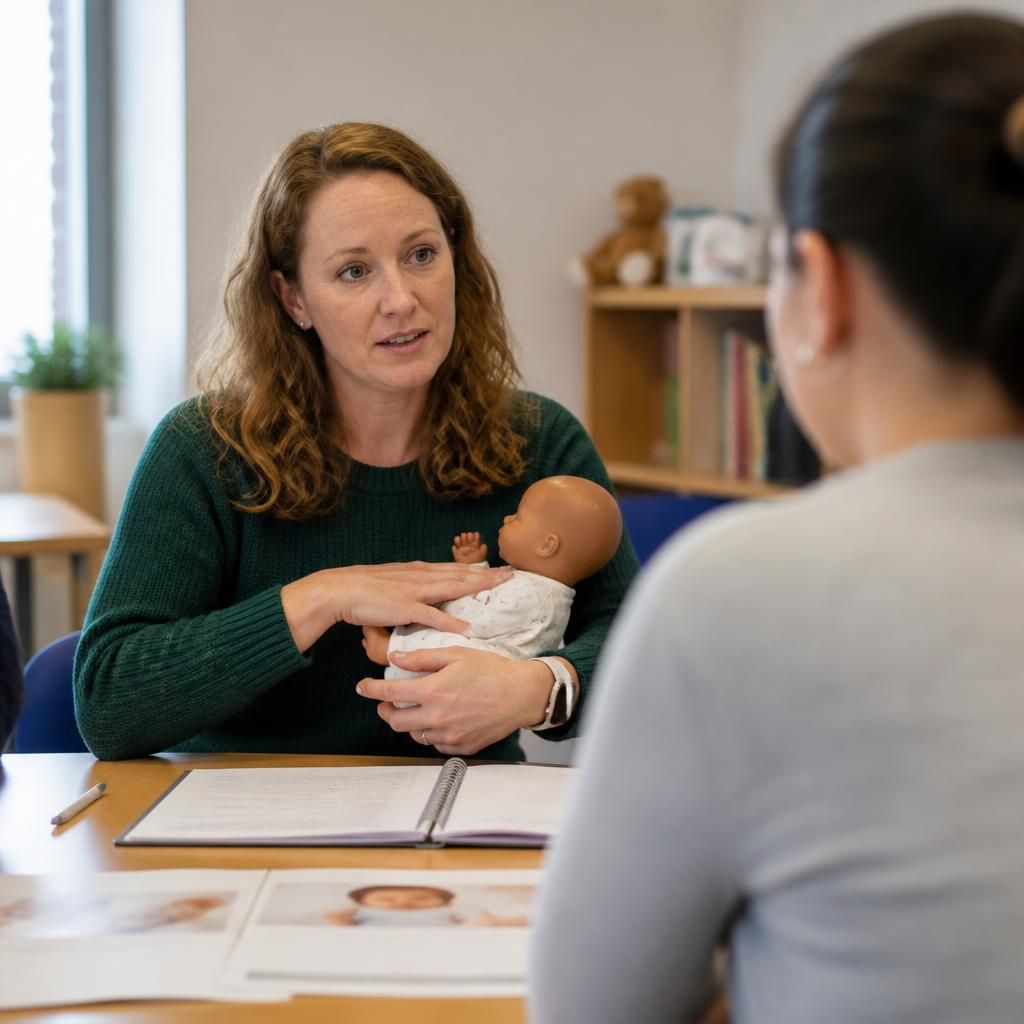
Foster carer speaking with a social worker about an infant’s care

Developing Professional Relationships

Foster carers work with social workers, health professionals and the child’s birth family as part of the wider care team. This can develop skills in sharing accurate observations, listening to different perspectives and contributing constructively to planning around the infant’s welfare.

Family looking at resources about infant development and children’s wellbeing

Broadening Understanding of Children’s Needs

Fostering an infant can give families a deeper understanding of how early experiences, attachment and development influence wellbeing. This wider perspective may affect how family members think about children’s behaviour, communication and need for consistent care, both during the placement and in their everyday relationships.

What Is Infant Foster Care?

Infant foster care is the temporary care of a baby who cannot live with their birth family while social workers and other professionals assess the child’s circumstances and make plans for their future. Fostering is different from adoption: the arrangement is intended to support the child’s care plan, which may involve returning to their birth family, living with relatives or another long-term plan.

Before approval, applicants complete an assessment covering their home, health, household circumstances, safeguarding checks and ability to meet an infant’s needs. The assessment also considers practical matters such as sleeping arrangements, existing commitments and how everyone in the household would manage a placement. Approved carers are then considered for infants whose needs and care plans are suitable for their household.

When an infant is placed, carers follow the agreed care plan and work with the child’s social worker, health professionals and birth family where appropriate. They must keep accurate records, share relevant observations and follow arrangements for contact and healthcare decisions. Financial support is available to help with the costs of fostering, with the details explained during the application process.


Frequently Asked Questions About Infant Foster Care

What does infant foster care involve?

Before placement, carers prepare suitable sleeping arrangements, essential supplies, safe spaces and practical routines, while discussing likely needs, household responsibilities and professional guidance during preparation.

Can I foster an infant if I have children of my own?

Yes. Having children does not automatically prevent approval. Assessors consider your children’s ages, needs, views, routines, bedroom arrangements and how fostering may affect family relationships before recommending you for approval.

What happens when an infant leaves foster care?

When an infant leaves, the agreed care plan guides the transition. Carers share records, health information, routines and belongings with the next carers, relatives or professionals involved, helping maintain continuity.

Can I foster an infant if I live alone?

Yes, single applicants can be considered. Assessors examine your home, support network, work-life arrangements, capacity to manage infant care independently, and ability to work constructively with fostering professionals throughout placement.

When Infant Foster Care May Be Suitable

Infant foster care may suit applicants with different household circumstances, provided they can meet approval requirements and a baby’s daily needs. The situations below outline common reasons people explore this form of fostering.

  1. 1

    Single applicants

    A single adult may consider infant foster care if their home, circumstances and support arrangements allow them to meet a baby’s needs and manage the practical responsibilities involved.

  2. 2

    Couples fostering together

    Couples may explore fostering an infant when they can agree how care will be shared and provide a stable, consistent approach within their household.

  3. 3

    Families with children

    Families with children may be suitable, provided everyone understands how an infant’s needs could affect routines, space and family life. The assessment considers how the household would manage a placement.

  4. 4

    Applicants with baby-care experience

    People with experience caring for babies may bring useful understanding of feeding, soothing, sleep routines and early development. This experience does not replace the required assessment and training.

  5. 5

    Households able to manage practical duties

    Infant fostering may suit households that can organise appointments, keep clear records and communicate observations to the professionals involved in the baby’s care.

  6. 6

    People seeking a fostering role rather than adoption

    Those who want to care for a baby while decisions are made about their future may consider fostering. The role follows the child’s care plan and is separate from adoption.

Here to Help

Questions about infant care can be discussed openly, helping you understand responsibilities and make informed decisions confidently during assessment process.

Questions to Ask About Infant Foster Care

What equipment do I need for infant foster care?

Before approval, ask how carers are involved in planning, recording and reviewing an infant’s care. Clear expectations about confidentiality, delegated authority and professional communication help prevent misunderstandings during each placement.

How is my suitability assessed for infant foster care?

Assessment considers your household, health, relationships, motivation, safeguarding understanding and ability to provide consistent care. Interviews, references, medical information, home assessment and statutory checks inform preparation and formal panel consideration.

What happens if an infant in foster care becomes unwell?

If an infant becomes unwell, seek medical advice promptly, follow agreed healthcare arrangements, record symptoms and treatment, and inform the supervising professionals. Urgent concerns require emergency medical services without delay.

Ask Our Team About Infant Foster Care

If you are considering infant foster care, contact our local team to discuss your questions, circumstances and next steps. We can explain the assessment process and help you decide whether fostering a baby is right for your household.

Ask Our Team