Become A Foster Family

Start Fostering in Your 20s

Fostering in your 20s means opening your home to a child or young person who needs stability, care and encouragement. With structured training, practical guidance and ongoing support, you can explore whether becoming a foster carer fits your circumstances.

Start Your Journey Today

Partnering with an
Ofsted Outstanding Provider

The Difference a Supportive Home Can Make

Fostering in your 20s means taking responsibility for a child’s day-to-day wellbeing while helping them maintain important relationships, routines and links with education. A foster carer may listen without judgement, set boundaries and speak up for a child’s needs alongside professionals.

Being a young foster parent does not mean providing every answer alone. Assessment considers your circumstances and readiness, while training can develop your understanding of trauma, behaviour and safeguarding. Professional guidance helps you reflect on decisions and adapt your approach as a child’s needs change.

Simple actions, such as sharing a meal, attending a school meeting or encouraging a hobby, can help a child feel included and build confidence. Fostering can offer a practical sense of purpose by using your time, skills and patience to support a young person’s progress.

How Fostering Can Shape Your Life in Your 20s

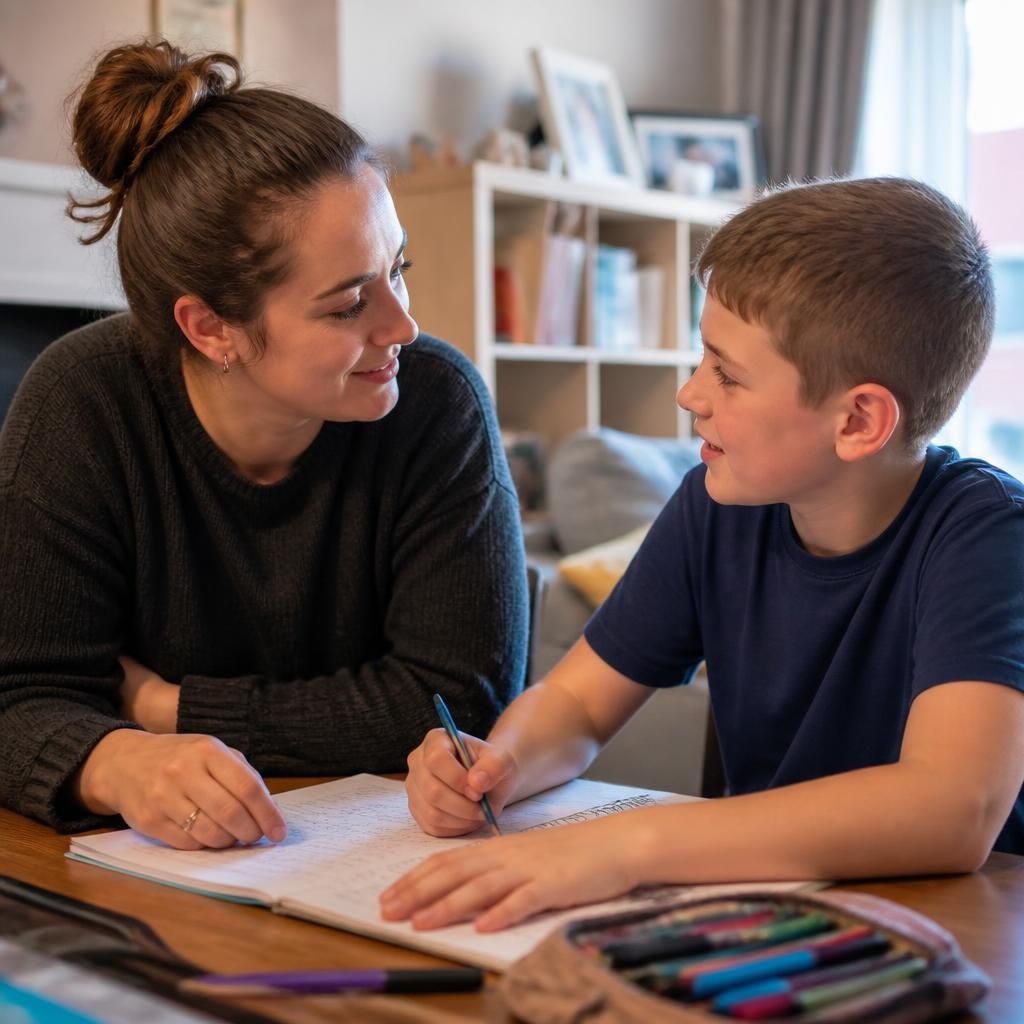
Young foster carer talking with a child during a shared activity at home

Building Trust Through Consistency

A predictable approach can help a child understand what to expect from daily family life. Following agreed routines, keeping clear boundaries and doing what you say can gradually support trust. This consistency also helps foster carers notice changes in mood, behaviour or communication and discuss them appropriately with the fostering team.

Foster carer and child completing an activity together at a kitchen table

Growing Confidence in Everyday Decisions

Fostering can strengthen confidence in making considered decisions about care, routines and communication. You may learn to pause, seek advice and adapt your response rather than relying on assumptions. Over time, reflecting on what helps a child feel safe can make everyday choices more thoughtful and informed.

Young foster carer speaking with a family member at home

Developing Stronger Relationships

Fostering can lead to more open conversations with a partner, relatives and friends about privacy, responsibilities and practical help. Agreeing how information is shared and how adults respond to challenges can create clearer expectations. These discussions are an important part of making family life manageable and respectful for everyone.

Foster carer organising household items and paperwork at a desk

Learning Skills That Transfer Beyond Fostering

Planning appointments, keeping records, communicating with professionals and managing changing priorities can develop useful organisational skills. These responsibilities require attention to detail and a calm approach, particularly when plans change. The skills can also support future study, employment and other areas of adult life.

Foster carer and child looking at books in a home setting

Seeing Family Life From a Wider Perspective

Living alongside a child with experiences different from your own can deepen your understanding of identity, loss, education and family relationships. It can encourage you to question assumptions and consider how past experiences affect present behaviour. This wider perspective supports more respectful communication within the household and with the professionals involved in a child’s care.

What Fostering in Your 20s Involves

Fostering in your 20s means meeting the same suitability requirements as any other applicant, while also showing that your housing, relationships, work and finances are sufficiently stable for fostering. Each fostering service sets its own criteria, including minimum age requirements, so someone considering being a young foster parent should check these before applying. You will also need suitable space for a child and the ability to manage the practical responsibilities of caring for them.

The application normally begins with an initial enquiry and discussion about your circumstances, followed by checks, references, health information and a detailed assessment. You will be asked to explain your reasons for fostering, how you would manage changes to your routine and what support you could rely on. The assessment is designed to establish whether fostering is appropriate for you and which types of placement may suit your household.

Foster carers receive an allowance intended to contribute towards the costs of caring for a child, with the amount depending on the fostering service and placement. Before making a decision, consider how fostering could affect employment, study, travel and your personal commitments. Asking about financial arrangements, approval requirements and the support available during assessment will help you make an informed choice.


Your Questions About Fostering in Your 20s

Can I foster in my 20s if I live alone?

Yes, people in their 20s may be eligible to foster, provided they meet the service’s age, suitability, housing, health and stability requirements and can meet children’s needs safely and consistently.

Can I foster while working in my 20s?

Yes, fostering can fit around employment, but placements bring appointments, school commitments and daily care responsibilities. Discuss working patterns, flexibility, leave arrangements and backup support during your assessment in detail.

What training do you receive when fostering in your 20s?

Training typically covers safeguarding, child development, trauma, behaviour, safer caring, health and first aid. It combines preparatory learning with ongoing development, helping you apply knowledge confidently and review your practice.

Can I foster in my 20s if I rent my home?

Renting does not automatically prevent fostering. You will need permission from your landlord, suitable accommodation and enough space, with housing arrangements considered during assessment before approval decisions are formally made.

Could Fostering in Your 20s Suit Your Circumstances?

Fostering in your 20s may suit you if you can offer consistent care and are ready to balance fostering with work, study, relationships or other commitments. The situations below highlight circumstances worth considering before you begin an application.

  1. 1

    You have not been a parent before

    Previous parenting experience is not the only route into fostering. If you can reflect on your own experiences, learn through training and respond consistently to a child’s needs, you can discuss how your skills and understanding may transfer to fostering.

  2. 2

    You live alone

    Single adults can consider fostering, provided they can offer reliable care and have suitable support around them. Assessment will explore how you would manage practical responsibilities, appointments, emergencies and periods when fostering feels demanding.

  3. 3

    You rent your home

    Home ownership is not the only housing arrangement considered. If you rent, you will need to establish that the property is suitable for fostering and check whether permission from a landlord or housing provider is required.

  4. 4

    You are building a support network

    Fostering involves working with professionals and maintaining dependable relationships around you. Friends, relatives or other trusted people may form part of your support network, although they would not replace your responsibilities as the foster carer.

  5. 5

    You have experience supporting children in another role

    Work, volunteering, youth activities, education or caring responsibilities may have helped you develop patience, communication and boundary-setting skills. These experiences can be discussed during assessment, alongside the areas where you need further learning.

  6. 6

    You want to understand which placements may suit you

    Fostering includes different types of placement and children with varied needs. If you are still considering the age range or level of care you could manage, the assessment and training process can help you examine your strengths, limits and preferences before approval.

Clear Guidance

You are not expected to navigate fostering alone; clear guidance and practical support are available throughout your enquiry and assessment.

Questions to Ask Before Fostering in Your 20s

Does my relationship status affect fostering in my 20s?

Being single, married, cohabiting or in a civil partnership does not automatically prevent fostering. Agencies consider household stability, shared commitment, support networks and how relationships may affect children’s care needs.

How might fostering affect travel plans in your 20s?

Fostering can limit spontaneous or extended travel because children need dependable care and approval arrangements. Discuss holidays, family commitments and contingency planning during assessment, including suitable respite options where appropriate.

How might fostering affect my finances in your 20s?

Fostering involves household budgeting, and fostering allowances may contribute towards a child’s expenses. Discuss eligible payments, tax treatment, setup costs and planning for fostering during assessment before submitting an application.

What checks are involved when applying to foster in your 20s?

Checks typically include identity verification, criminal-record disclosures, health information, personal references, home safety and household circumstances. They help assess safeguarding, resilience and suitability, while applicants can discuss concerns during assessment.

Have Questions About Fostering in Your 20s?

If you are considering fostering in your 20s, contact our team to discuss your circumstances, ask practical questions and understand the next steps. An initial conversation can help you decide whether to explore an application without committing to one.

Contact Us