Become A Foster Family

Council Tax for Foster Carers

Council tax rules for foster carers do not include a universal exemption, but your household may qualify for a discount or disregard. Eligibility depends on who lives in your home and your local council’s rules.

Start Your Journey Today

Partnering with an
Ofsted Outstanding Provider

How Support Shapes Everyday Fostering

Foster carer reviewing council tax information and household records at home

Check how your household is assessed

Council tax treatment can depend on the adults and children living at the property. Before fostering, review who is recorded at your address and ask your local council whether a discount or disregard may apply to your circumstances.

Foster carer speaking with a council representative about council tax records

Keep the council informed

When a child or young person joins your household, changes in occupancy may affect your council tax position. Informing the council about relevant changes and keeping records accurate can help prevent confusion about your bill.

Family paperwork organised beside a calendar and household documents

Include council tax in your planning

Council tax should sit alongside other household considerations when you prepare to foster. Listing the questions you need to ask, the documents you may need and any changes to report makes this responsibility easier to manage.

Foster carer checking household paperwork while supporting a young person with homework

Make room for changing circumstances

Fostering arrangements can change as children and young people move into or on from your home. Rechecking your council tax position after a change in household circumstances helps ensure your records and payments remain appropriate.

Foster carer discussing practical household arrangements with a support worker

Ask for guidance when details are unclear

Council tax decisions are made using the details of your household and the rules applied by your local council. If you are unsure whether a discount or disregard is relevant, seek clarification from the council and discuss the practical question with your fostering support team.

When Council Tax Discounts May Apply

Council tax treatment for foster carers depends on household circumstances and who is counted at the address. The examples below highlight situations that may affect a discount or disregard and the records your council may need.

One liable adult in the household

If you are the only counted adult living at the property, you may be able to apply for a single-person council tax discount. The council will assess who is treated as resident, so explain your fostering circumstances when you apply.

Two or more adults living at home

A discount may not apply where two or more adults are counted for council tax. However, some household members may be disregarded under council tax rules, depending on their circumstances. Ask your local council to confirm how this affects your bill.

A child placed with you

Children are generally treated differently from counted adults for council tax purposes. A foster child’s age and placement circumstances may affect the calculation, but fostering alone does not create a universal exemption. Give the council accurate placement details.

Evidence of your household circumstances

Your council may ask for information such as the names of adults living at the address, dates of foster placements, or supporting placement records. Keep details up to date if a child moves in or leaves your care.

Local council rules still apply

Council tax discounts and reductions are administered by the council responsible for your property. Contact that council before relying on a discount, and ask whether its local Council Tax Reduction scheme takes your fostering income and household circumstances into account.

A Foster Carer’s View on Council Tax

I found that council tax support was an administrative question separate from fostering approval: I had to explain my household circumstances to the council and ask which evidence it required before it could assess my account.

Keeping fostering paperwork together helped. I recorded the council’s reference, supplied the requested evidence and checked that any decision covered the correct address and period. I also asked what to do if my circumstances changed.

Keep the council’s written decision. If the result is unclear, ask for the reason and the review or appeal route. A fostering social worker can help explain the wording, but the council makes the council tax decision.


Questions to Ask About Foster Carer Council Tax

Can foster carers qualify for Council Tax Reduction?

Council Tax Reduction is a means-tested local scheme. Eligibility depends on income, capital, household circumstances and council rules; ask whether fostering-related payments affect assessment, then apply directly with supporting evidence.

Does fostering change your council tax band?

Fostering does not change your property’s council tax band. Bands reflect the home’s valuation, not household use; contact your council if you believe the band itself has been assessed incorrectly.

What Foster Carers Learned About Council Tax

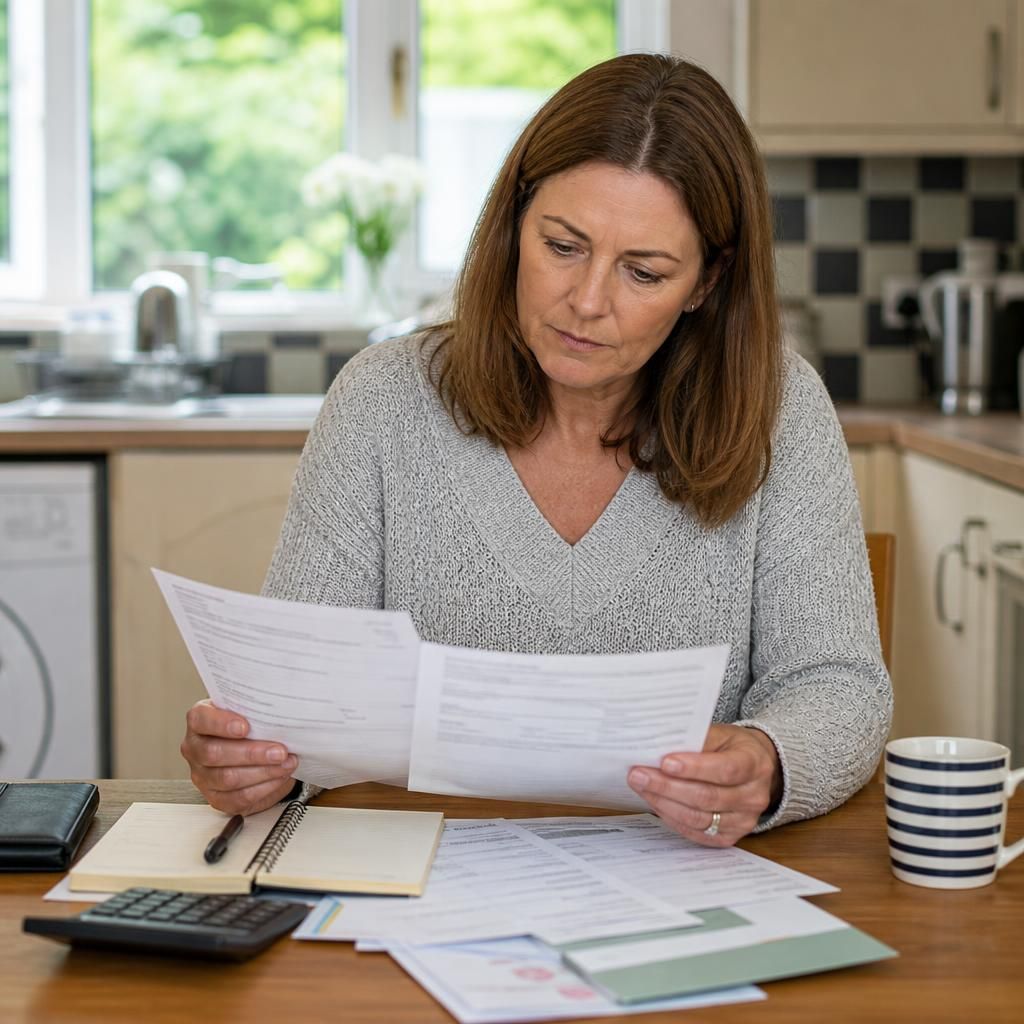
Foster carer reviewing council tax information at a kitchen table

Separating Council Tax From Fostering Payments

I initially assumed that fostering payments and council tax would be assessed together. Guidance helped me understand that they are separate questions, so I checked the council tax position directly rather than relying on information about fostering allowances. This made it easier to plan my household budget without treating a possible discount or reduction as guaranteed.

Foster carer speaking with a local adviser about household finances

Checking the Rules for Your Household

My council tax position depended on the people living in my home, not simply on the fact that I was approved to foster. I asked for the relevant terms to be explained in plain English and checked whether my circumstances fitted a disregard, discount or council tax reduction route. That conversation gave me a clearer basis for contacting the council.

Foster carer reading a council tax bill beside household documents

Making Sense of a Council Tax Bill

The wording on my bill was difficult to connect with the information I had read about fostering. A local fostering professional helped me identify which parts were about council tax and which were unrelated to my fostering approval. I then knew which questions belonged with the council and which questions could be discussed with my fostering team.

Foster carer organising household paperwork in a folder

Preparing Before Circumstances Change

I found it useful to understand the council tax process before my household arrangements changed. Knowing where to find the council’s guidance meant I could check the position again if an adult moved in, someone left the household or my fostering circumstances developed. Preparing in advance helped me avoid making assumptions about how the account would be treated.

Council Tax Support: Key Points for Foster Carers

Council tax support for foster carers may depend on how people in the household are counted and which reduction rules apply to the property. These points are assessed separately, so one household’s position may differ from another’s.

The boxes below explain key distinctions and information a council may need, helping you frame a focused enquiry about your circumstances.

Check Who Is Liable

Fostering approval does not usually change who is responsible for the council tax bill. The owner or tenant normally remains liable, so check that the account holder and property address are correct.

Fostered Children May Be Disregarded

A child placed with you through fostering may be disregarded when the council counts residents for council tax purposes. The council must confirm whether the rules apply to the child’s specific placement.

Consider Other Residents

The presence of other adults in the property can affect discounts, even if a foster child is disregarded. Tell the council about the people who ordinarily live at the address and ask how each person is counted.

Discounts And Reductions Differ

A council tax discount or disregard is separate from Council Tax Reduction. A reduction is based on the local scheme and may consider household circumstances, income and how fostering payments are treated.

Ask For The Relevant Route

When contacting the council, explain whether you are asking about a disregard, a discount or Council Tax Reduction. This helps direct your enquiry to the rules and application process that match your circumstances.

Foster Carer Council Tax: Your Questions Answered

Can foster carers appeal a council tax decision?

If you disagree with a council tax decision, request an internal review first. If unresolved, ask about appealing to the Valuation Tribunal, observing applicable deadlines and stating your reasons fully.

Discuss Your Council Tax Circumstances With Our Team

If you are unsure whether a council tax exemption, disregard or discount could apply, speak with our team. We can help you identify the relevant questions, understand the next steps and prepare for a focused discussion with your council.

Contact Our Team