Become A Foster Family

Explore Part-Time Fostering as a Single Parent

Part-time fostering allows some single parents to care for children through agreed, planned arrangements rather than a full-time placement. Your assessment will consider your circumstances, childcare responsibilities, availability and the support needed to provide consistent, safe care.

Start Your Journey Today

Partnering with an
Ofsted Outstanding Provider

Making a Difference Through Part-Time Fostering

A single parent providing planned foster care can give a child a dependable place to spend time, build trust and experience everyday family life. This may be particularly valuable when a child needs a stable relationship alongside existing care arrangements.

The difference is often found in ordinary routines: sharing a meal, helping with homework, attending an activity or listening without judgement. Consistent encouragement can help a child feel noticed and supported, while clear boundaries provide reassurance and help them understand what to expect.

For the foster carer, this role brings a practical sense of purpose without requiring every placement to become a full-time arrangement. With preparation, guidance and appropriate support, single parents can use their strengths—patience, reliability and understanding—to contribute positively to a child’s experiences and development.

How Part-Time Fostering Can Shape Family Life

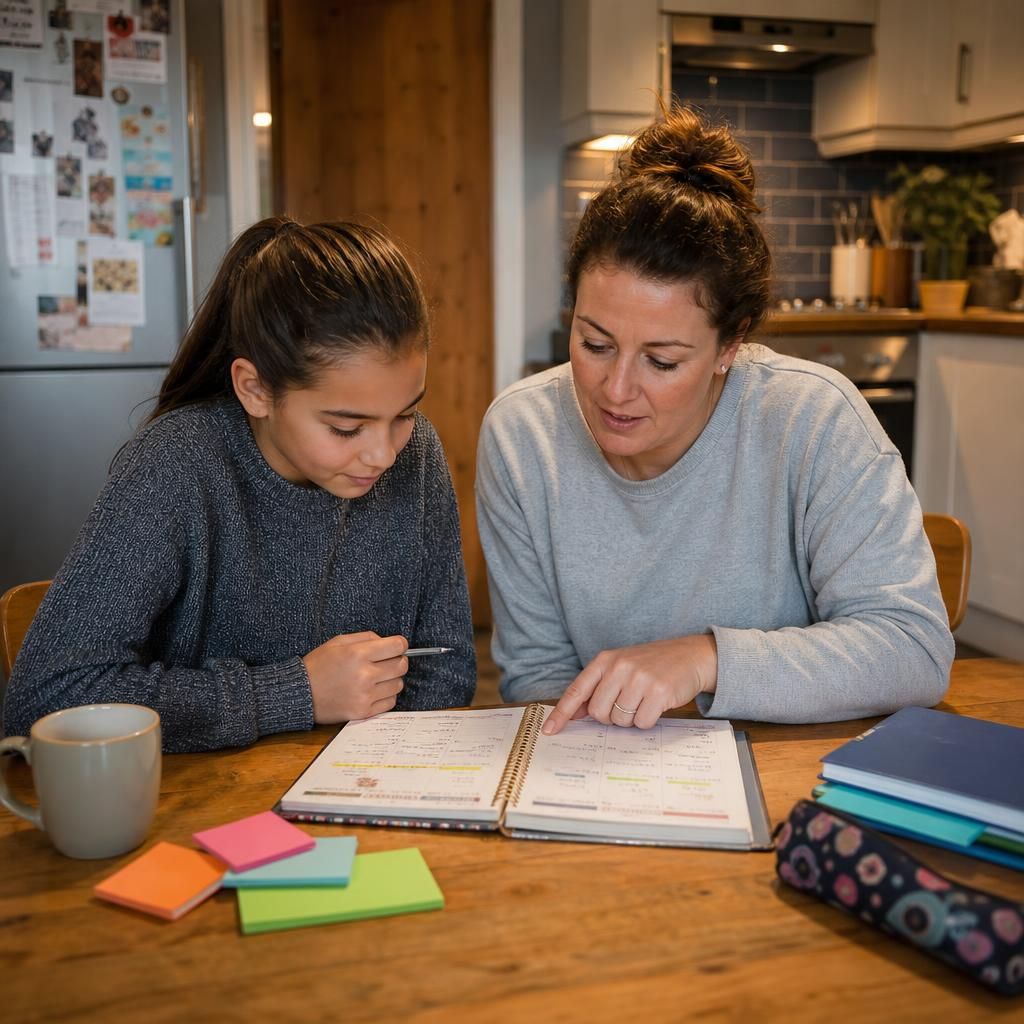
Single parent and foster child planning a weekly routine together

Building Reliable Routines

Planned fostering can strengthen a household’s approach to routines. Preparing meals, organising school-related activities and agreeing expectations can help a child feel secure while also giving the family a clearer structure to follow.

Single parent listening to a child during a quiet conversation

Developing Communication Skills

Regular contact gives single parents opportunities to practise listening carefully, explaining boundaries and responding calmly to questions or uncertainty. These skills can support more thoughtful communication across the household.

Foster child taking part in a family activity with a single parent

Growing Confidence Through Experience

As a parent becomes familiar with planned care, they may feel more confident managing transitions, noticing changes in behaviour and asking the fostering team for guidance. Experience can make it easier to reflect on what works and adapt routines appropriately.

Single parent speaking with a fostering professional about a child’s progress

Working Effectively With Professionals

Part-time fostering involves sharing relevant observations and contributing to discussions about a child’s care. Learning how to communicate clearly with professionals can help a single parent understand their responsibilities and take part in reviews with greater confidence.

Single parent and foster child learning about different family backgrounds

Understanding Different Experiences

Fostering can broaden a household’s understanding of how family circumstances, culture and past experiences may affect a child’s behaviour and needs. This wider perspective can encourage patience, reduce assumptions and support more individualised care.

What Part-Time Fostering Involves for Single Parents

Part-time fostering is an arrangement where a single parent provides care for a child for agreed periods, rather than being responsible for a full-time placement. This might involve regular overnight stays, planned short breaks or specific daytime care, depending on the child’s assessed needs and the arrangement agreed with the fostering agency and local authority.

Before approval, the assessment will consider whether the proposed arrangement is suitable for both the child and the single-parent household. This includes the parent’s availability, home circumstances, childcare responsibilities, health, household members and ability to work with the child’s wider care team. A reliable support network may also be important, particularly if unexpected changes affect the planned care.

Part-time foster carers complete the same core suitability checks and preparation required for fostering, with the assessment focused on the type of care they intend to provide. Financial allowances depend on the approved arrangement and the child’s needs, so these details should be discussed clearly before accepting a placement. The agency will also explain recording requirements, communication with professionals and how planned changes to the arrangement are managed.


Part-Time Fostering for Single Parents: Your Questions Answered

Can I become a part-time foster carer as a single parent?

Part-time fostering may suit some single parents, provided planned care fits household responsibilities, childcare arrangements and availability. An assessment determines whether the proposed arrangement safely and consistently meets the child’s needs.

Can a part-time foster placement become full-time?

Yes, it may be possible, but this requires reassessment and agreement with the agency and local authority. Changes to availability, household circumstances, training and support arrangements must first be considered.

When Part-Time Fostering May Suit a Single Parent

Part-time fostering may suit single parents whose circumstances allow planned care alongside existing responsibilities. These examples show how different routines, work patterns and family arrangements may fit, depending on the child’s needs and agreed care plan.

  1. 1

    You have a settled household routine

    Part-time fostering may suit a single parent whose home life is organised enough to include planned foster care while maintaining their own children’s routines and needs. The assessment will consider how the arrangement would affect everyone in the household.

  2. 2

    Your work pattern is predictable

    If you work fixed hours or have regular commitments, an agreed fostering arrangement may be easier to plan around than a full-time placement. The proposed care periods would still need to match the child’s needs and your assessed availability.

  3. 3

    You can provide regular overnight care

    Some single parents may be able to offer a child a dependable place to stay on agreed nights. This can suit households that can manage the practical requirements of overnight care, including meals, routines, transport and communication with professionals.

  4. 4

    You could offer planned short breaks

    Part-time fostering may be appropriate for a single parent who can provide planned short-break care for a child or support another fostering arrangement. The frequency and length of these stays would be agreed as part of the care plan.

  5. 5

    You have experience caring for children

    Parenting, family care, education or other child-focused experience may help you understand children’s routines, boundaries and emotional needs. This experience would support your preparation but would not replace the required assessment and training.

  6. 6

    You want a defined fostering role

    A single parent may prefer to begin with a clearly agreed care arrangement that fits alongside existing family responsibilities. Part-time fostering can provide a structured role, subject to approval and a suitable match with the child’s needs.

Clear Guidance

You can discuss your circumstances openly and receive guidance before deciding whether part-time fostering is right for you, without pressure.

Questions to Ask About Part-Time Fostering as a Single Parent

Are overnight stays required in part-time fostering?

Overnight stays are not automatically required. Part-time fostering may involve daytime, evening or occasional overnight care, depending on the agreed arrangement, the child’s needs, your assessed circumstances and support.

Ask About Part-Time Fostering as a Single Parent

For practical advice about whether your household could accommodate part-time fostering, make an enquiry with our local team. We can explain the assessment criteria and help you identify the information needed to take the next step.

Make An Enquiry