Become A Foster Family

Diversity in Single Parent Fostering

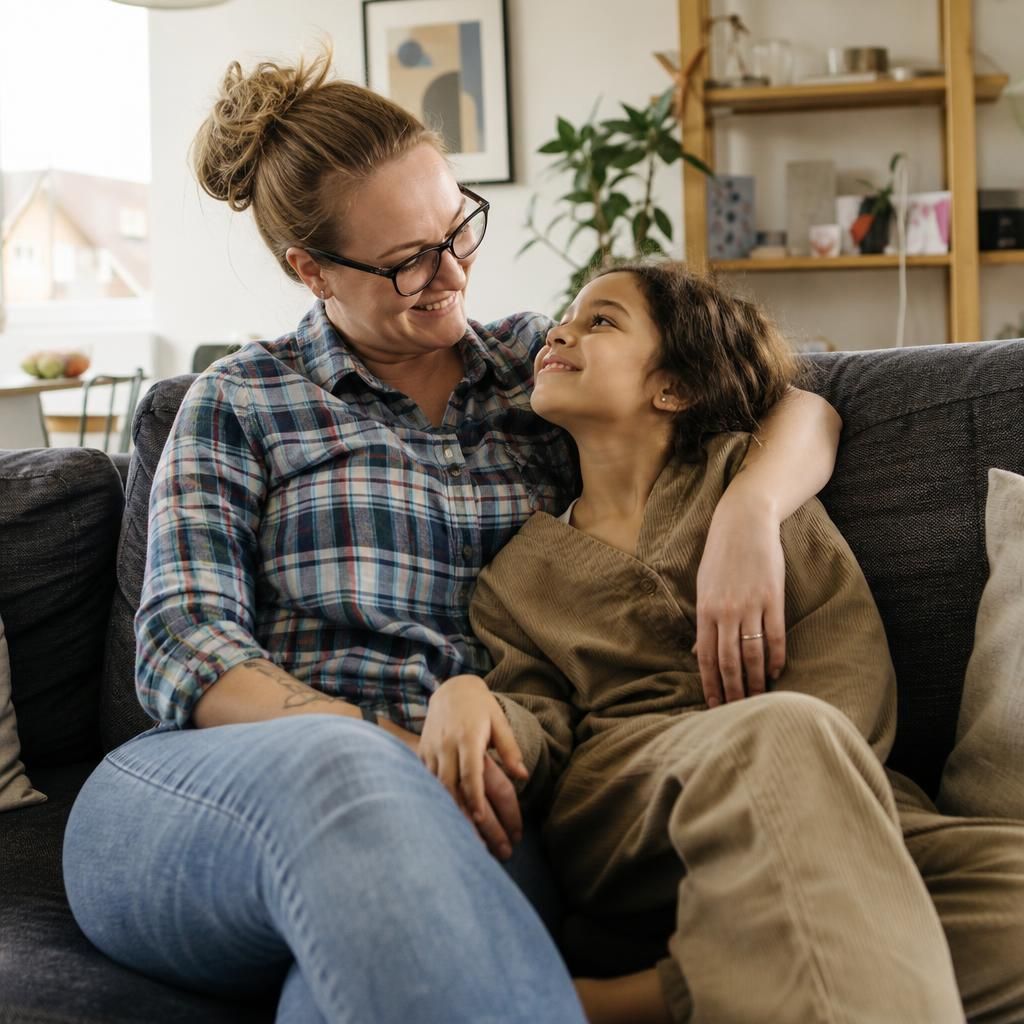
Diversity in single parent fostering recognises the value of varied identities, cultures and life experiences. Single LGBTQ+ adults and parents can explore fostering, meeting the same assessment, training and safeguarding requirements while offering children acceptance and a secure family environment.

Start Your Journey Today

Partnering with an
Ofsted Outstanding Provider

Creating Belonging Through Diverse Single Parent Fostering

Within a single-parent foster household, a child can experience consistent routines, clear boundaries and an adult who takes time to understand how they communicate and respond to change. These everyday features can help a placement feel more manageable, particularly when a young person has experienced uncertainty or disruption.

A welcoming carer also makes room for a child’s background, beliefs, language, relationships and personal expression. Respecting these details in ordinary activities—such as meals, celebrations, school communication and contact arrangements—can help a young person retain important connections while adjusting to foster care.

Fostering can give a single parent a defined role in helping a child develop confidence, practical skills and trust in adults. The work involves challenges as well as progress, but seeing a young person participate, communicate or manage a new step can provide a clear sense of purpose and meaningful contribution.

How Diversity in Fostering Shapes Family Life Over Time

Single parent and foster child preparing a meal together at home

Making Space for Every Identity

Diverse single-parent fostering can encourage a household to examine assumptions about family life, identity and belonging. Over time, everyday choices such as books, food, activities and conversations can help a child feel that their experiences are recognised rather than treated as unfamiliar or difficult.

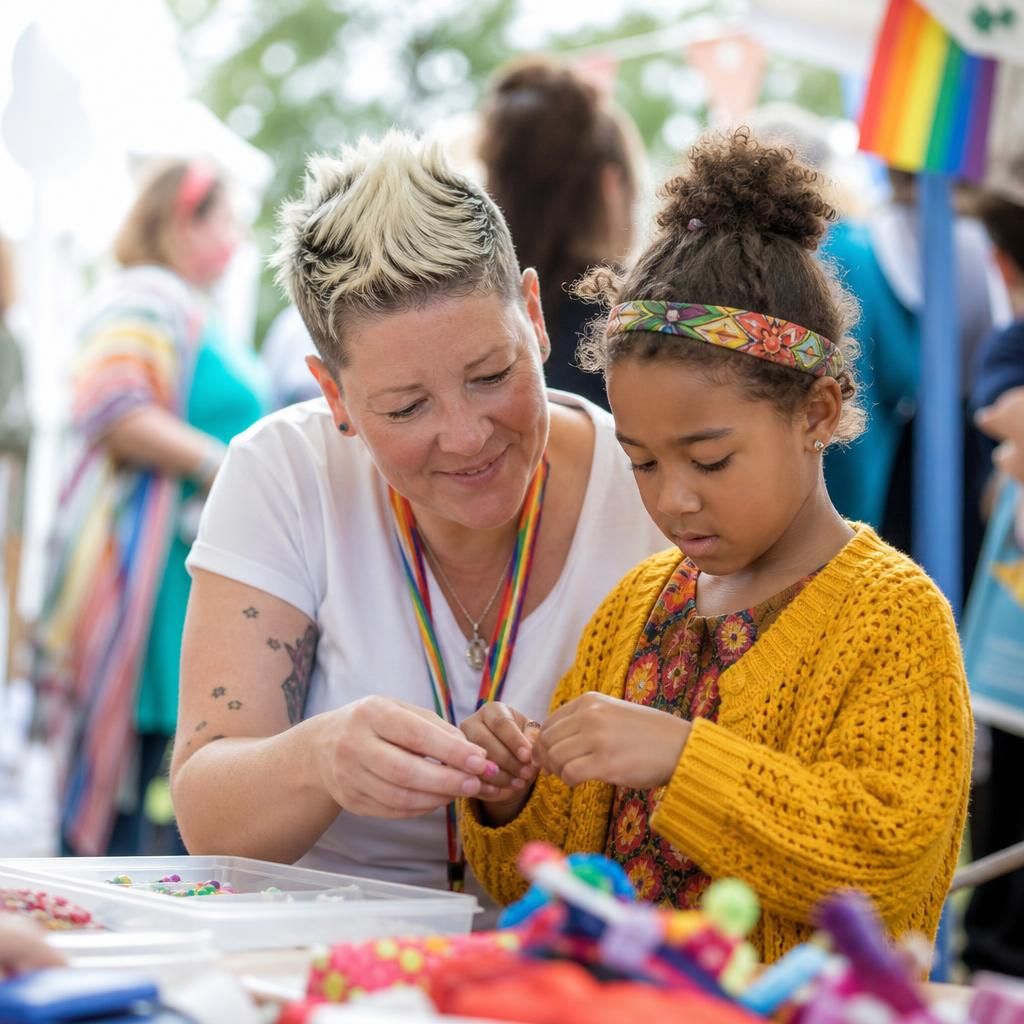
Single parent foster carer and child taking part in a community activity

Building Wider Connections

A placement may introduce a single parent and child to people, groups and perspectives they would not otherwise encounter. Taking part in suitable community, cultural or identity-based activities can help a young person maintain a sense of connection while widening the household’s understanding of different lives.

Single parent listening carefully to a foster child during a conversation

Developing Confidence Through Reflection

Fostering gives a single parent regular opportunities to consider what is working, what needs adjusting and how a child’s individual history affects their responses. Reviewing situations with the supervising team can support more thoughtful decisions and help the carer become clearer about their own strengths and limits.

Single parent and foster child organising belongings in a shared home

Adapting Family Life Responsibly

A diverse fostering household may need to balance the child’s needs with existing family commitments, privacy and household expectations. Agreeing practical arrangements and revisiting them when circumstances change can help everyone understand their place in the home without expecting the child to fit a single model of family life.

Single parent foster carer speaking with another adult about supporting a child

Learning From Different Perspectives

Working alongside people with different professional, cultural and personal viewpoints can challenge a single parent’s initial understanding of a situation. This broader perspective can improve how they consider a child’s behaviour, needs and choices, while reinforcing the importance of respectful discussion rather than quick judgement.

What Diversity Means in Single Parent Fostering

Diversity in single parent fostering means recognising that a carer’s family structure, sexuality, gender identity, ethnicity, religion, disability or age does not determine their suitability. The assessment focuses on whether you can provide a safe home, meet a child’s needs, manage the responsibilities of fostering and work constructively with the fostering service.

During assessment and preparation, you can discuss how a child’s identity may affect their care. Training may cover discrimination, inclusive language, cultural and religious needs, LGBTQ+ identities, contact with relatives and how to respond if a child faces prejudice. This helps you consider practical ways to protect a child’s sense of identity while setting appropriate boundaries.

Matching should take account of both the child’s needs and the circumstances of a single-parent household. Factors may include the child’s age, experiences, relationships, education and support requirements, alongside your skills, household arrangements and available support. Your fostering service can also explain fostering allowances, approved support arrangements and the conditions attached to each placement before you decide whether to proceed.

Common Questions About Diversity in Single Parent Fostering

How are LGBTQ+ identities supported in single parent fostering?

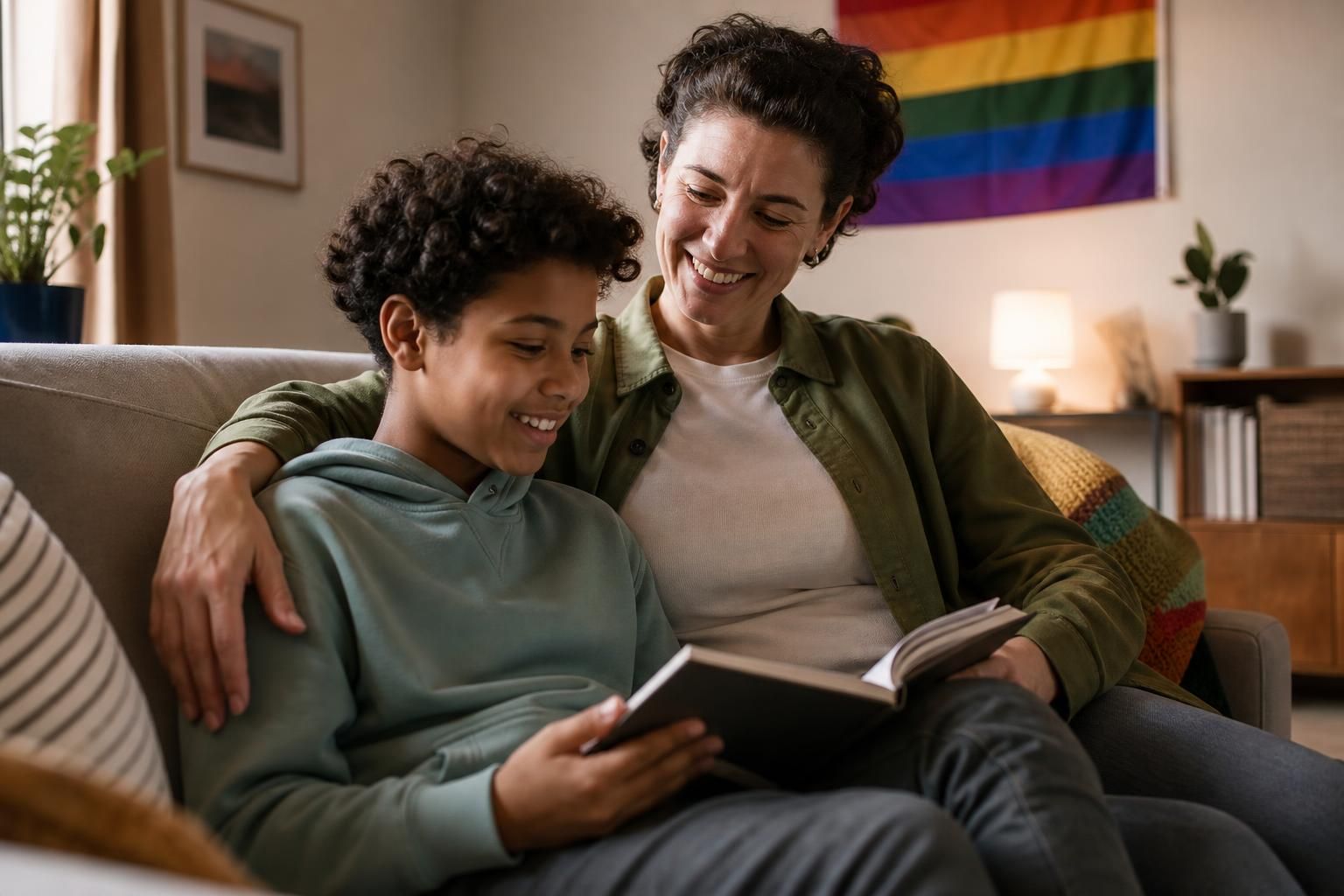
Support for LGBTQ+ identities includes respectful communication, inclusive routines and care planning. Single-parent carers can discuss individual needs with supervising professionals, access guidance and review approaches as placements develop over time.

Can disabled single parents become foster carers?

Disabled single parents may foster if they can meet a child’s needs safely. Assessment considers health, accessibility, practical adjustments, support networks and any impact on daily fostering responsibilities in practice.

Can older single parents become foster carers?

Age alone does not prevent older single parents from fostering. Assessment considers experience, energy, flexibility, support networks and capacity to meet a child’s needs consistently over the longer term safely.

Who Diverse Single Parent Fostering May Suit

Diverse single parent fostering can be relevant when your household includes different languages, faith practices, cultural traditions, accessibility needs or family relationships. The key question is how these circumstances can be explained, supported and reflected in a child’s care.

  1. 1

    Multigenerational households

    Single parents who live with adult children, grandparents or other relatives may bring a broader household perspective to fostering. Assessment will consider who lives in the home, each person’s role and how privacy, safeguarding and household boundaries would be managed.

  2. 2

    Blended and previously separated families

    A single parent with stepchildren, adult children or regular contact with former partners may still explore fostering. The fostering service will need to understand existing relationships, contact arrangements and how everyone involved would support a child’s placement.

  3. 3

    Parents with varied work or study commitments

    Single parents in employment, education or self-employment can consider fostering if they can organise the practical responsibilities around a child’s needs. This includes transport, school routines, appointments, meetings and reliable support when the carer cannot be present.

  4. 4

    People with different routes into parenthood

    Fostering may be relevant to single parents whose parenting experience comes from birth children, adoption, step-parenting or caring for relatives. The assessment looks at what you have learned from these experiences and how you would apply it to a child who may have experienced loss or disruption.

  5. 5

    Single parents with strong community connections

    Involvement in community, cultural, sporting or voluntary groups can help a carer understand the importance of belonging. These connections would need to respect a child’s privacy, safeguarding arrangements and existing relationships rather than exposing personal information.

  6. 6

    Single parents with personal experience of exclusion

    Someone who has experienced prejudice or exclusion may bring useful insight into how discrimination affects children and young people. Fostering also requires the ability to reflect on personal experiences, follow safeguarding guidance and advocate for the individual child’s needs.

Practical Support

You can discuss your circumstances openly, with clear guidance on inclusive fostering and practical support throughout the assessment process together.

Questions About Diversity in Single Parent Fostering

What diversity training do single parent foster carers receive?

Training usually covers equality, diversity, inclusion, trauma-informed practice, identity, cultural sensitivity, discrimination and respectful communication. Ask how learning is refreshed and applied to support individual children safely throughout foster placements.

Talk to Us About Single Parent Fostering

If you are considering diverse fostering as a single parent, contact our team to discuss your questions, circumstances and next steps. We can explain the enquiry process and help you decide whether fostering is right for your household.

Start A Conversation