

How long does the foster carer assessment process take?
The foster carer assessment process usually takes several months, although the timescale varies according to your circumstances and the checks required. It includes initial discussions, background checks, preparation training and a detailed assessment before a fostering panel considers your application.
Partnering with an
Ofsted Outstanding Provider
Most prospective foster carers should plan for an assessment lasting several months. There is no single timetable that applies to every applicant, because the duration depends on the information that must be verified, the complexity of your circumstances and how quickly the required reports and checks are completed.
What happens during the assessment?
- Initial suitability discussion: You will discuss your reasons for fostering, your household, employment, relationships, health, accommodation and the types of children you may be able to care for. This helps establish whether fostering is suitable for you before the full assessment begins.
- Application and information gathering: You will provide details about your identity, address history, household members, employment, finances and personal circumstances. Your assessing social worker will explain the evidence required and identify any areas that need further discussion.
- Home visits and interviews: The social worker will meet with you and, where appropriate, other members of your household. These conversations explore your childhood experiences, relationships, parenting approach, support network, resilience and ability to work with children’s families and professionals. The purpose is to understand your strengths and identify any preparation or support you may need.
- Checks and references: Relevant checks may include criminal record checks, local authority checks, health information, identity verification and personal or employer references. Further enquiries may be needed if you have lived at different addresses, spent time overseas or have circumstances that require clarification.
- Preparation for fostering: Training helps you understand safeguarding, trauma, attachment, behaviour, safer caring, contact with birth families and the practical responsibilities of fostering. It also gives you an opportunity to consider whether fostering is right for your household before a final recommendation is made.
- Assessment report and panel: Your assessing social worker brings the information together in a detailed report. You will normally have an opportunity to read and comment on it before it is considered by a fostering panel. The panel reviews your suitability and makes a recommendation about approval, including the age range and number of children you may be approved to foster. The fostering service then makes the formal decision.
What can make the process longer?
- Delays in receiving medical information, references or criminal record results
- A complex address, employment or family history requiring additional checks
- Previous time living abroad or information that needs verification from another organisation
- Changes in your household, health, employment or relationship during the assessment
- The need for extra training, further interviews or additional evidence before a recommendation can be completed
The assessment is not based only on whether you have previous parenting experience. It considers your capacity to provide consistent care, understand a child’s history and needs, work with professionals, manage challenging situations and maintain safe boundaries. The assessor may ask detailed questions about difficult or sensitive experiences so that any future support and training can be properly considered.
You can help the process move forward by providing accurate information, returning documents promptly, attending agreed meetings and telling your assessing social worker about any significant change in your circumstances. It is better to raise questions or concerns openly than to leave information unexplained.
The assessment should be a two-way process. You are entitled to understand what is being considered, ask how decisions are reached and discuss any concerns about fostering. Our West Midlands team can explain each stage, help you prepare for conversations and training, and clarify what information is needed as your assessment progresses.
Once the fostering panel has made its recommendation and the formal decision has been recorded, you will know whether you have been approved and the terms of that approval. Your fostering service will then discuss the next steps, including ongoing training, supervision and how suitable placements are considered.
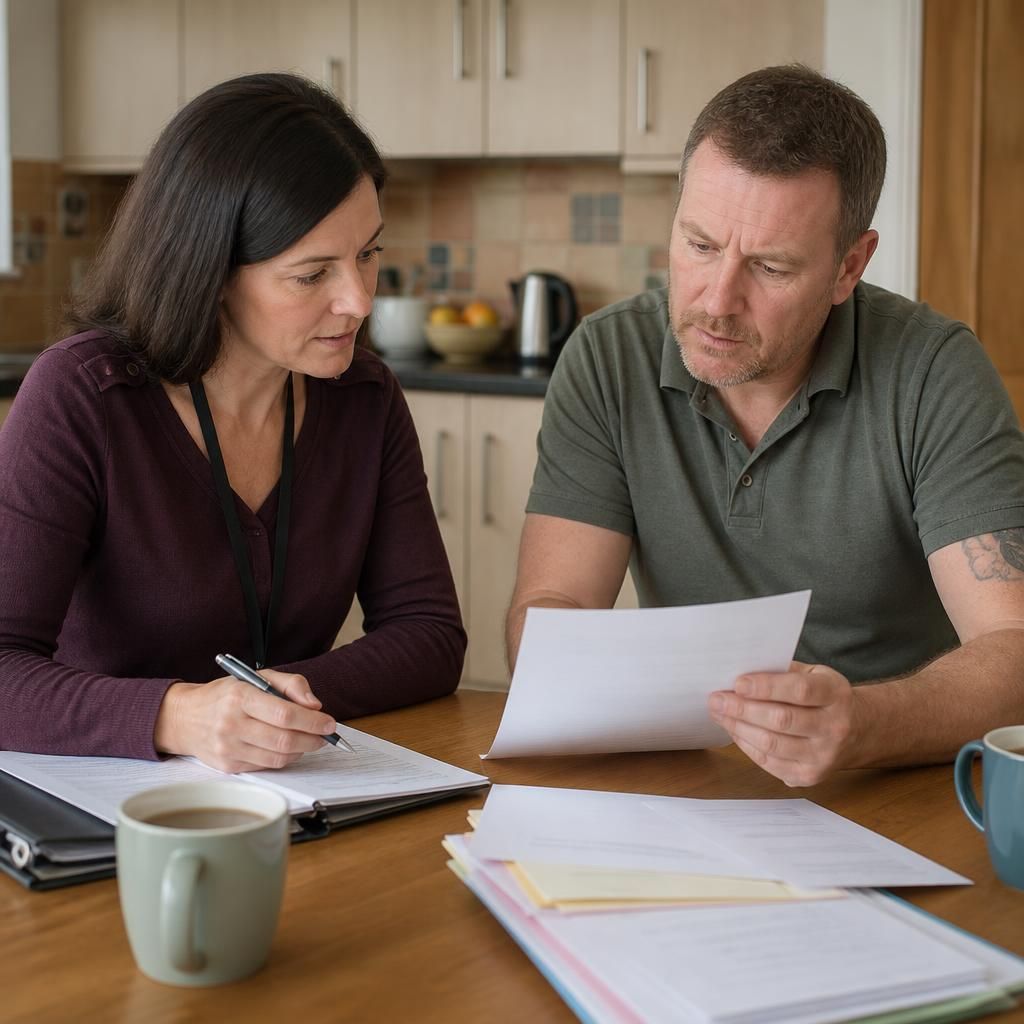
The length of the foster carer assessment process depends partly on how much time you can set aside to take part in it. Assessment meetings, preparation training, document requests and conversations with household members all need to be fitted around your existing responsibilities.
Before starting, ask your assessing social worker to explain the expected sequence of appointments and any tasks you will need to complete between meetings. This can help you plan work, childcare and other commitments without assuming that every stage will follow a fixed timetable.
It is also important that everyone in your household understands what the assessment involves. Their views may form part of the discussions, and their availability can affect when meetings and training take place. Planning together helps ensure that the assessment reflects your household’s readiness to foster.
Discuss your foster carer assessment journey
If you are considering fostering, contact our West Midlands team to discuss your circumstances and ask questions about the assessment process before deciding whether to apply.