
Can I become a foster parent if I have children?
Yes, you can usually become a foster parent if you have children of your own. Your fostering assessment will consider your children’s ages, needs, views and routines, as well as the space available and how fostering could affect family life, to ensure the arrangement is suitable for everyone.
Partnering with an
Ofsted Outstanding Provider
Having children of your own does not usually prevent you from becoming a foster parent. The key question is whether fostering can be introduced safely and realistically into your existing family life, with proper consideration for your children as well as the child who may come to live with you.
Your children will be part of the fostering assessment. Their views may be explored in an age-appropriate way, and the assessing social worker will consider how they understand fostering, what concerns they may have and how they are likely to respond to changes at home. They should be listened to, but they should not be expected to make the final decision or take responsibility for caring for a foster child.
It is normal for birth children to have mixed feelings. They may be interested in fostering but also worry about sharing your attention, losing privacy, having their belongings disturbed or having a child with challenging experiences in the family home. These concerns are not necessarily a reason to stop the application. They provide useful information for planning the right type of fostering arrangement and the support your household may need.
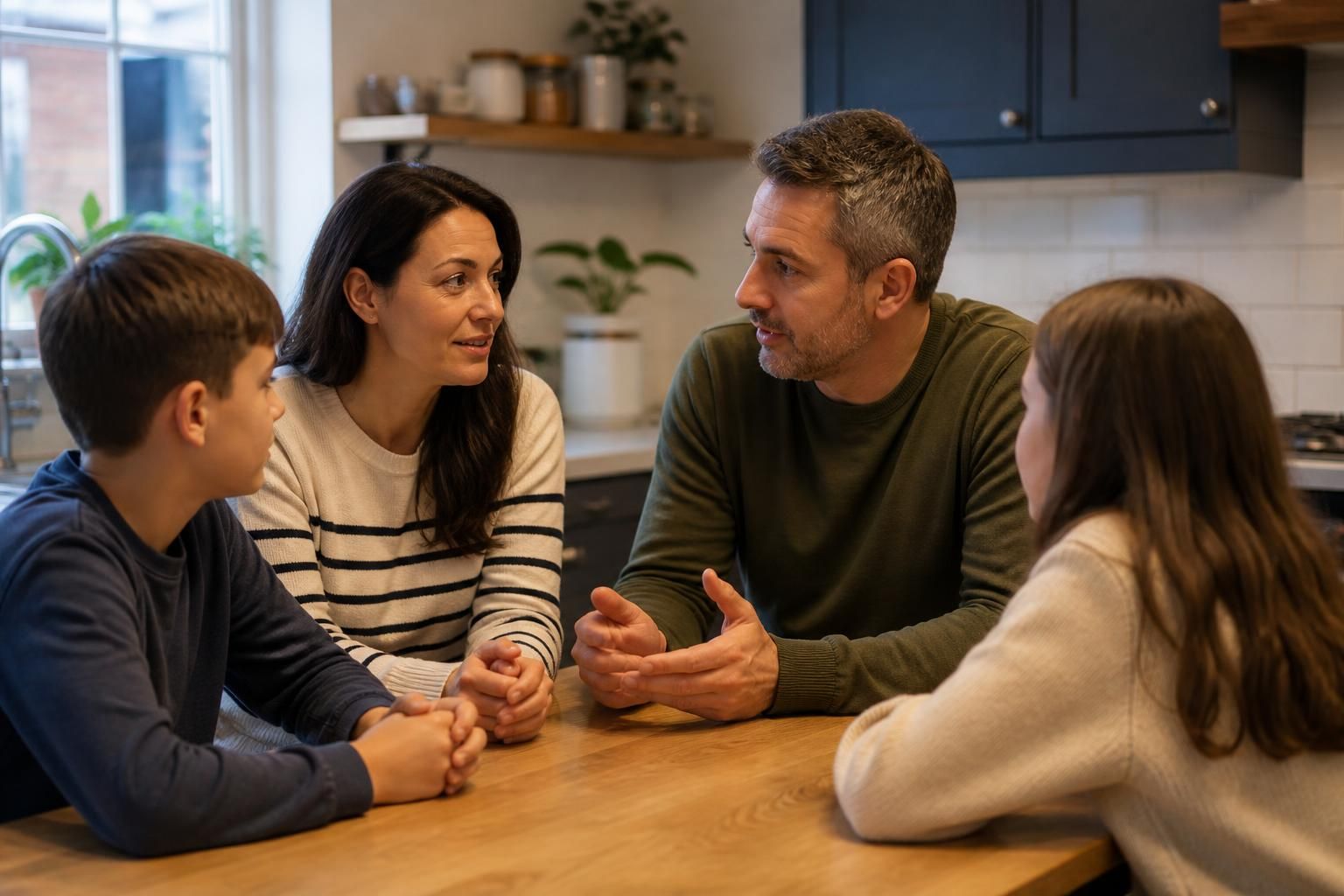
Before applying, discuss fostering honestly as a family. Explain that a foster child may need additional reassurance, clear boundaries and support with behaviour. Make it clear that foster children will not replace or take priority over your children, and that everyone in the household will continue to have their own relationships, routines and personal space. Older children can ask questions directly, while younger children may benefit from simple explanations, books or conversations suited to their age.
The matching process is important when you have birth children. A fostering service will look at which placements are appropriate for your household, taking account of factors such as the type of fostering, the child’s history, relationships with other children and the level of support likely to be required. You may decide that some placements are not suitable for your family. Saying this openly is part of responsible fostering, not a failure.
Some families begin by considering arrangements that fit their circumstances, such as short-term, respite or longer-term fostering. The right option depends on your assessment, the needs of children requiring placements and the effect on everyone in your home. You can discuss these options during the assessment and training process.
Birth children may also need ongoing support after a placement begins. Practical arrangements can include:
- protecting regular family activities and individual time with parents;
- agreeing which belongings, rooms and personal information are private;
- setting clear household rules that apply fairly and safely;
- giving children a trusted adult they can speak to if fostering feels difficult;
- checking in regularly rather than waiting for problems to become serious; and
- recognising that your children may need extra reassurance when a placement ends.
Your own child’s age or circumstances may affect which placements can be considered, but having a child with additional needs does not automatically rule out fostering. The assessment should look at the support already required in your household, your available capacity and whether a proposed placement would be safe and manageable for everyone.
As part of the application, you will complete preparation training and undergo the standard fostering checks and assessment. These stages give you an opportunity to understand safer caring, confidentiality, behaviour support, the impact of trauma and how fostering can affect children already living at home. Your fostering assessor should help you identify questions to discuss with your family before approval.
Fostering can work well for families with birth children when decisions are made openly, the placement is carefully considered and every child in the household is treated as part of the planning process. If you are unsure how your family might manage, you can raise those concerns before applying and ask for guidance based on your circumstances.

When you have children of your own, they should understand that fostering involves confidentiality. A foster child’s history, family circumstances and personal information must not be shared with friends, relatives or discussed on social media. Your children can be given an age-appropriate explanation of what they need to know, but they should not be expected to answer questions about the foster child or keep information that feels difficult to manage without support.
It can help to agree simple responses together, such as, “I can’t talk about that because it’s private.” This gives birth children a clear boundary and prevents them from feeling responsible for explaining the placement to others. Your fostering service will provide guidance on confidentiality and safer caring during preparation and assessment.
Discuss fostering with children of your own
Discuss your family’s circumstances with Become a Foster Family to understand how fostering could fit alongside your children’s needs and routines. You can ask questions about the assessment, preparation and suitable placement types before deciding whether to apply.