
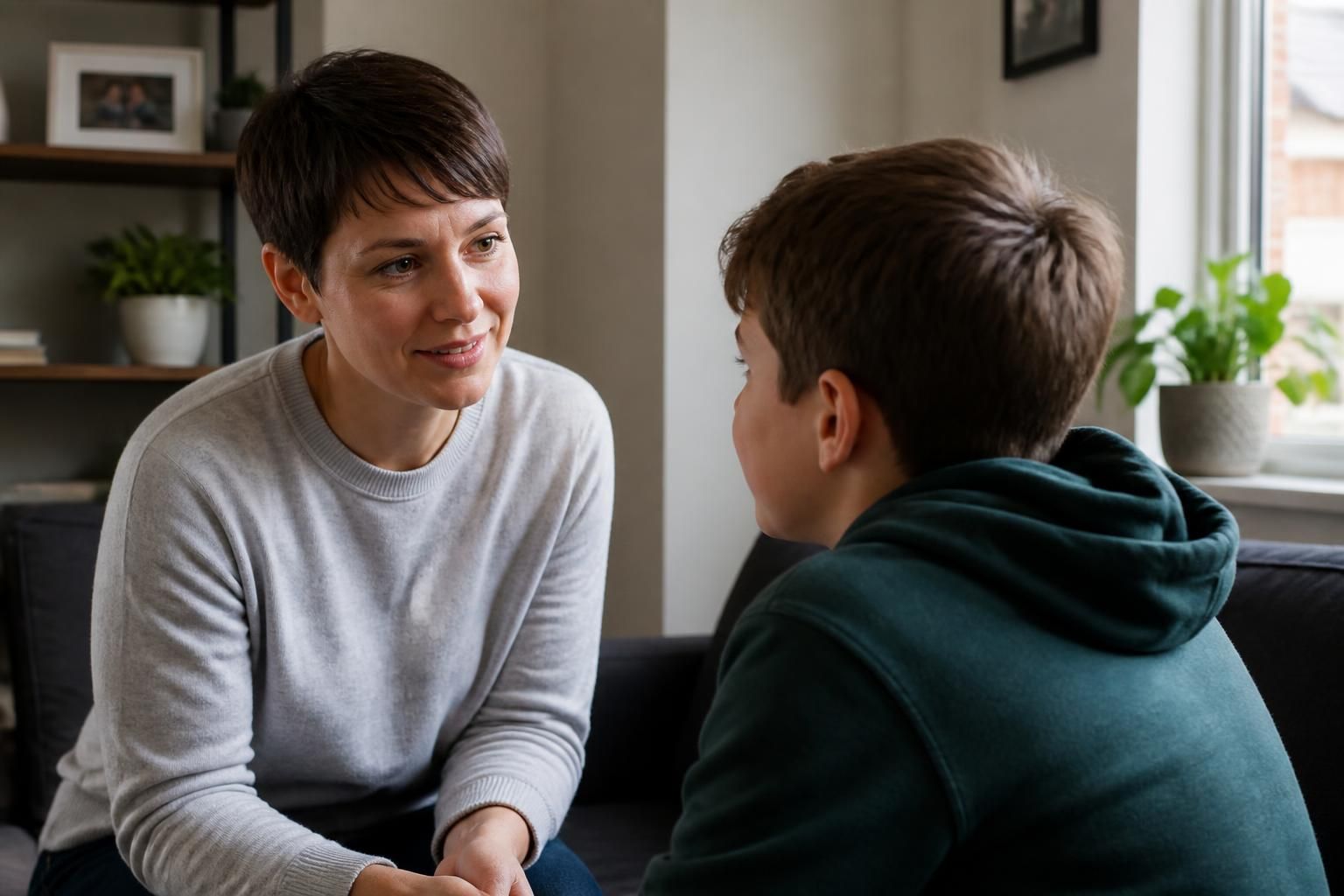
Can I become a foster parent if I live alone?
Yes, you can become a foster parent if you live alone. Your circumstances, suitability and ability to provide a safe, stable and nurturing home will be assessed during the fostering application process.
Partnering with an
Ofsted Outstanding Provider
Living alone is not, by itself, a barrier to fostering. The assessment focuses on whether you can provide consistent care, meet a child’s needs and work constructively with the fostering team and other professionals. A single applicant is assessed on their own circumstances rather than against a requirement to have a partner.
What will be considered? The assessment will look at the practical and personal aspects of your situation, including:
- your reasons for wanting to foster and your understanding of the role;
- your health, lifestyle and emotional resilience;
- your ability to offer reliable routines, supervision and boundaries;
- your home and whether it provides suitable space and privacy;
- your capacity to manage appointments, school arrangements, contact visits and other responsibilities;
- your ability to work with the child’s social worker, school, health professionals and birth family where appropriate; and
- the practical support available to you when you need advice or assistance.
Fostering can involve appointments during the school day, meetings, training, contact arrangements and periods when a child needs additional attention. You will need to explain how you would manage these commitments alongside work, caring responsibilities and everyday tasks. Living alone does not prevent you from doing this, but the assessment will need to establish that your arrangements are realistic and sustainable.
Your support network matters . A partner is not required, but fostering should not leave you managing every situation without help. You may be asked to identify family members, friends or other trusted adults who can provide practical or emotional support. They may need to be assessed or have appropriate checks if they will spend significant time with a foster child, provide regular care or stay in your home.
It is also important to consider what would happen if you became unwell, had an emergency or needed to attend an unavoidable appointment. Your fostering service will discuss contingency arrangements with you. These arrangements must protect the child’s welfare and follow the relevant fostering procedures; informal childcare cannot automatically be used as a substitute for approved arrangements.
Home requirements still apply. In most cases, a foster child needs their own bedroom, unless specific rules allow an alternative arrangement. The suitability of your accommodation, household finances, safety arrangements and local circumstances will be considered as part of the assessment. Renting a home does not automatically rule out fostering, although permission from a landlord may be needed.
As a single applicant, you will complete the same broad stages as other applicants. These normally include an initial discussion, an application, background and safeguarding checks, health information, references, preparation training and a detailed assessment. The assessment involves discussing your experiences, relationships, daily routine, strengths and areas where you may need further development. It is not simply a check of whether you live with someone.
Preparation training will help you understand attachment, trauma, behaviour, safeguarding, identity and the impact of separation. It should also give you the opportunity to consider honestly how you would respond to challenging situations without another adult permanently at home. Asking questions during training is part of making an informed decision, not a sign that you are unsuitable.
Foster carers usually receive guidance from their fostering service, supervision and access to training after approval. You can also discuss the fostering allowance and other financial arrangements before making an application. These payments are intended to contribute towards the costs of caring for a child, but you should consider your own income, household budget and employment position carefully.
The most useful next step is to speak with Become a Foster Family about your circumstances. You can discuss your home, work pattern, support network and the type of fostering you may be able to offer, then decide whether to proceed to an application. Being open about both your strengths and your concerns will help ensure that the assessment considers whether fostering is right for you and which arrangements would be suitable.
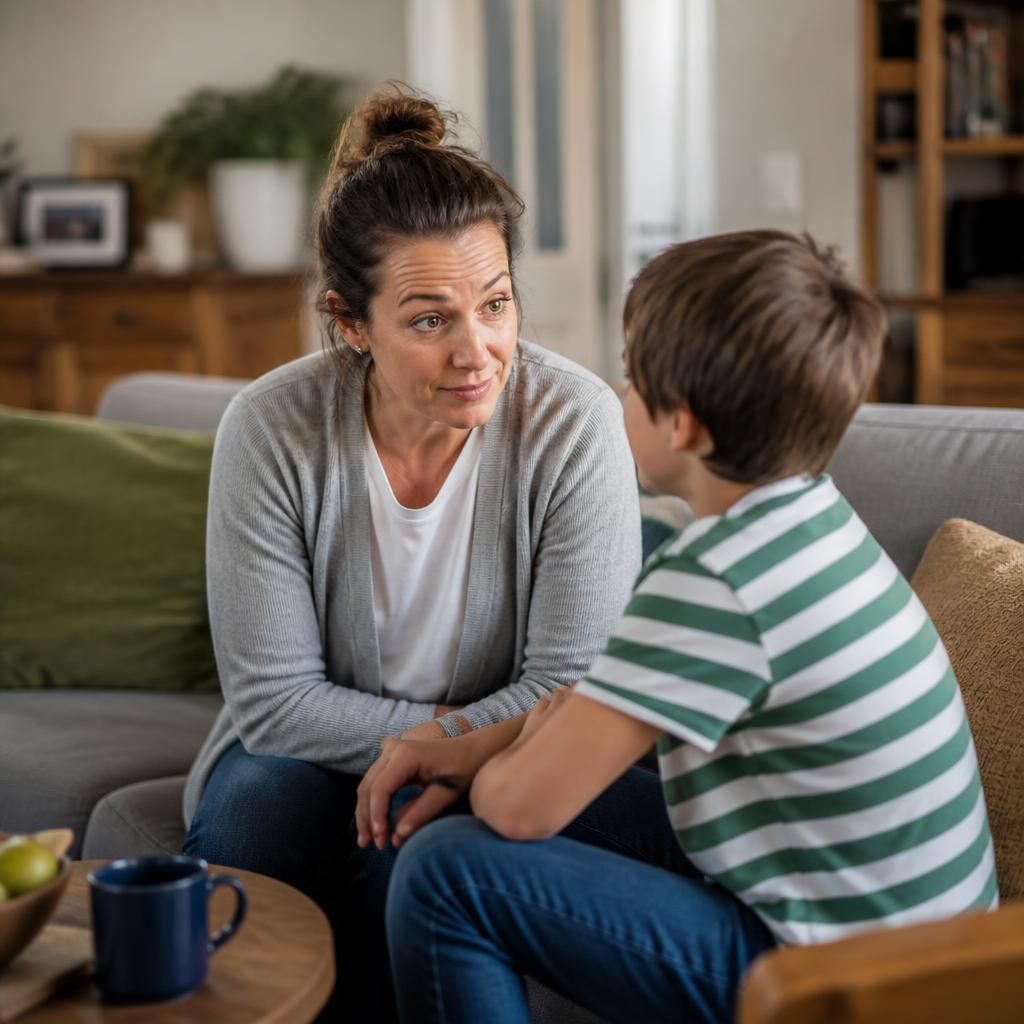
Living alone does not determine which children you can foster. If you are approved, the fostering service will consider whether a proposed placement matches your skills, experience, home and ability to meet that child’s needs. This matching process may take account of age, behaviour, routines, education, health and any additional support required.
You can discuss the types of placements that may be suitable for you before applying. This helps you consider whether fostering fits your circumstances and gives the assessing team a clear understanding of the care you may be able to provide as a single foster carer.
Talk to us about fostering as a single parent
Contact Become a Foster Family to discuss your circumstances and ask any questions about fostering as a single applicant. This conversation can help you decide whether to take the next step towards applying.