

What is the first step to becoming a foster family?
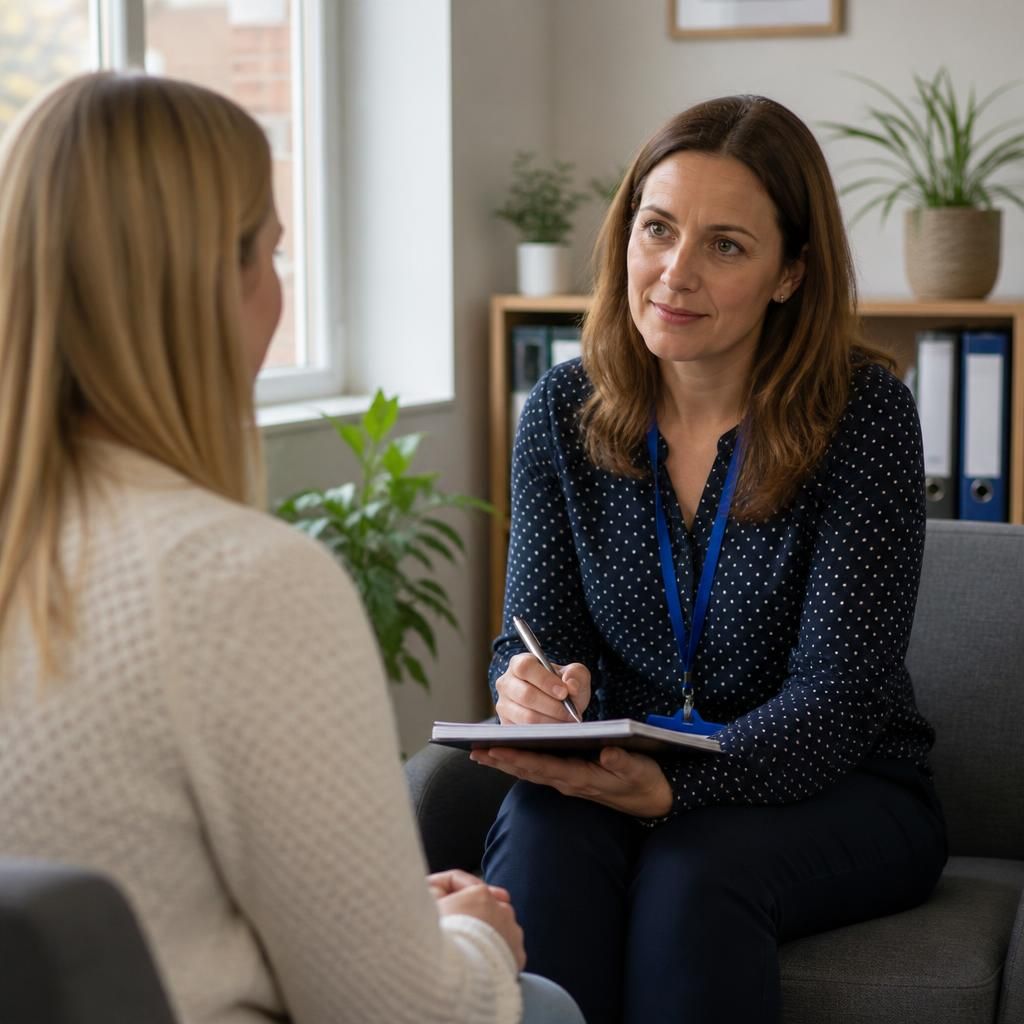
The first step to becoming a foster family is to make an initial enquiry with a fostering service. You can discuss your circumstances, ask questions about eligibility and understand the assessment process before deciding whether to apply.
Partnering with an
Ofsted Outstanding Provider
That first conversation with a fostering service is used to establish whether fostering could be suitable for your household and to explain what the process involves. It is an opportunity to share your circumstances, raise concerns and identify any information you need before making a formal application.
Be ready to discuss your circumstances
The fostering service will usually ask about the people in your household, your accommodation, employment, relationships, health, pets and any experience of caring for children. You may also be asked why you are considering fostering and what types of placements you are interested in. You do not need to have made every decision at this stage, but giving clear and honest information helps the fostering team provide relevant guidance.
Basic suitability points may also be discussed, including whether you have enough space for a foster child, your right to live in the UK, your age and the nature of any previous convictions. Requirements can depend on individual circumstances and the type of fostering being considered, so an initial discussion is more useful than relying on general assumptions.
Use the conversation to understand the role
Fostering involves more than providing a bedroom. Foster carers work with the fostering service, social workers, schools, health professionals and a child’s wider network. Ask about the responsibilities involved, the kinds of placements available, how decisions about matching are made, and what support is provided before and during placements.
You can also ask how training is arranged, what checks are required, how long the assessment may take, and how fostering allowances and other financial support are explained. Become a Foster Family provides guidance, training, financial support and ongoing assistance, so these are appropriate areas to explore when you make contact.
What happens after the initial discussion?
- If fostering appears potentially suitable, the service can explain the formal application and assessment stages.
- You may be invited to provide further information about your household and accommodation.
- Pre-approval preparation normally includes training and checks, such as references, health information and criminal record checks.
- A social worker assesses your suitability, circumstances and ability to meet the needs of children in care.
- The completed assessment is considered through the fostering approval process before a decision is made.
The initial enquiry is therefore a fact-finding stage rather than the point at which you become an approved foster carer. It helps you decide whether to continue and gives the fostering service enough context to explain the next steps clearly.
Questions worth asking before you proceed
- Which fostering placements may be suitable for my household?
- What training and preparation will I complete?
- What checks and references will be needed?
- Who will support me during the assessment and after approval?
- How are fostering allowances and expenses explained?
- What happens if my circumstances change during the process?
To begin, contact Become a Foster Family and give an outline of your situation. The team can then explain the relevant requirements and guide you towards the next stage if fostering is appropriate for you.
The first step to becoming a foster family is to make sure everyone in your household understands what fostering could involve before you contact a fostering service. Fostering can affect routines, privacy, relationships and the way your home is used, so it is important that the adults in the household discuss the decision openly.
Consider how a foster child might fit into your existing family life, including school runs, work commitments, holidays, pets and time spent with relatives or friends. If you have children, give them the opportunity to ask questions and share their views. Their perspective does not determine whether you can foster, but it can help identify practical issues to discuss during your initial enquiry.
Writing down your household’s main questions before getting in touch can also make the conversation more useful. You may want to note any concerns about bedrooms, routines, relationships or the type of placements that might suit your family. You do not need to have every answer before making contact; the purpose of the first discussion is to help you understand whether fostering could fit your circumstances.
Take the first step towards becoming a foster family
When you are ready to explore fostering further, contact Become a Foster Family to discuss your questions with the team and understand the options available to you.