

Can foster children stay with you during family holidays?
Foster children may be able to join you on family holidays, but this depends on their care plan, individual needs, permissions and the agreement of everyone involved in the placement. Discuss proposed travel with your fostering team well in advance so arrangements can be assessed and documented safely.
Partnering with an
Ofsted Outstanding Provider
Whether a foster child joins a family holiday is decided individually, rather than being an automatic right or a blanket restriction. The decision should take account of the child’s care plan, legal permissions, relationship with the fostering household, travel arrangements, known risks and the likely effect of the trip on the child.
Before booking anything, speak with your supervising social worker and the child’s social worker. Give them enough information to consider the proposal properly, including:
- the destination and dates;
- who will be travelling and where everyone will stay;
- how the child will travel and how long the journey will take;
- the activities planned, including swimming, water sports, adventure activities or other higher-risk pursuits;
- any health, behavioural, communication or mobility needs;
- how medication, appointments and personal care will be managed; and
- how the trip fits with family time, contact arrangements, education and other commitments.
Your fostering team can then help establish whether the holiday is suitable and what approvals or safeguards are needed. The agreed arrangements should be recorded clearly, including who has given consent and what to do if circumstances change.
UK and overseas travel
A holiday within the UK may be relatively straightforward, but it still needs to be considered in the context of the child’s placement. Taking a foster child abroad generally involves additional checks and written permissions. Foster carers do not usually hold parental responsibility for the child, so they may not be able to authorise international travel independently. The local authority and anyone else with the relevant legal responsibility may need to provide consent, depending on the child’s circumstances and the destination.
Do not make non-refundable bookings until the required permissions have been confirmed. You may also need to check passport or travel-document requirements, visa rules, healthcare arrangements, travel insurance and any restrictions affecting the child. Requirements can vary according to the child’s nationality, legal status and destination, so obtain current advice from the responsible professionals and relevant authorities.
Planning for the child’s needs
A holiday can be unfamiliar and demanding for a child who has experienced changes, loss or uncertainty. Even an activity that other family members regard as enjoyable may cause worry if the child does not know what to expect. Involve the child in planning at an age-appropriate level and explain the arrangements in advance. Sharing photographs, an itinerary or information about the accommodation can make the trip more predictable.
Consider practical details such as:
- whether the child will have their own suitable sleeping space;
- how privacy, routines and personal boundaries will be maintained;
- what food, clothing, sensory adjustments or equipment they may need;
- how they can contact trusted people at home, if agreed;
- how behaviour or distress will be managed away from familiar support; and
- what arrangements apply if the child becomes unwell or the placement needs urgent support.
Keep essential information securely available, including emergency contacts, medical details, medication instructions and copies of relevant permissions. Only share personal information with people who need it, and avoid discussing the child’s history in front of others. If photographs will be taken or shared, follow the permissions and privacy arrangements that apply to the child.
Contact and other commitments
Family time with parents, siblings or other important people may continue during the holiday, depending on the child’s care plan and court or local-authority arrangements. A trip should not be treated as a reason to cancel contact without agreement. If travel makes the usual arrangement impractical, discuss alternatives well beforehand rather than leaving the decision until departure.
Some children may not be able to travel with the fostering household. This could be because of contact, legal restrictions, health needs, placement stability, safeguarding concerns or the child’s own wishes. In that situation, the fostering team and social worker should agree a suitable plan. Foster carers should not arrange for a child to stay with relatives, friends or another household as an informal alternative without the necessary assessment and approval.
Making the trip work for everyone
Foster carers should balance the needs of the foster child with those of any children already in the household. It may be appropriate to adjust the itinerary, build in quiet time, avoid overcrowded schedules or offer choices rather than expecting the child to take part in every activity. Clear expectations, calm explanations and consistent routines can help reduce misunderstandings.
After the holiday, tell the fostering team about any significant issues, incidents or changes in the child’s presentation. This can help everyone understand what worked, identify any follow-up support and inform future decisions about travel. When a proposed holiday is discussed early and planned around the child’s welfare, it is often possible to include them safely without overlooking their legal, emotional or practical needs.
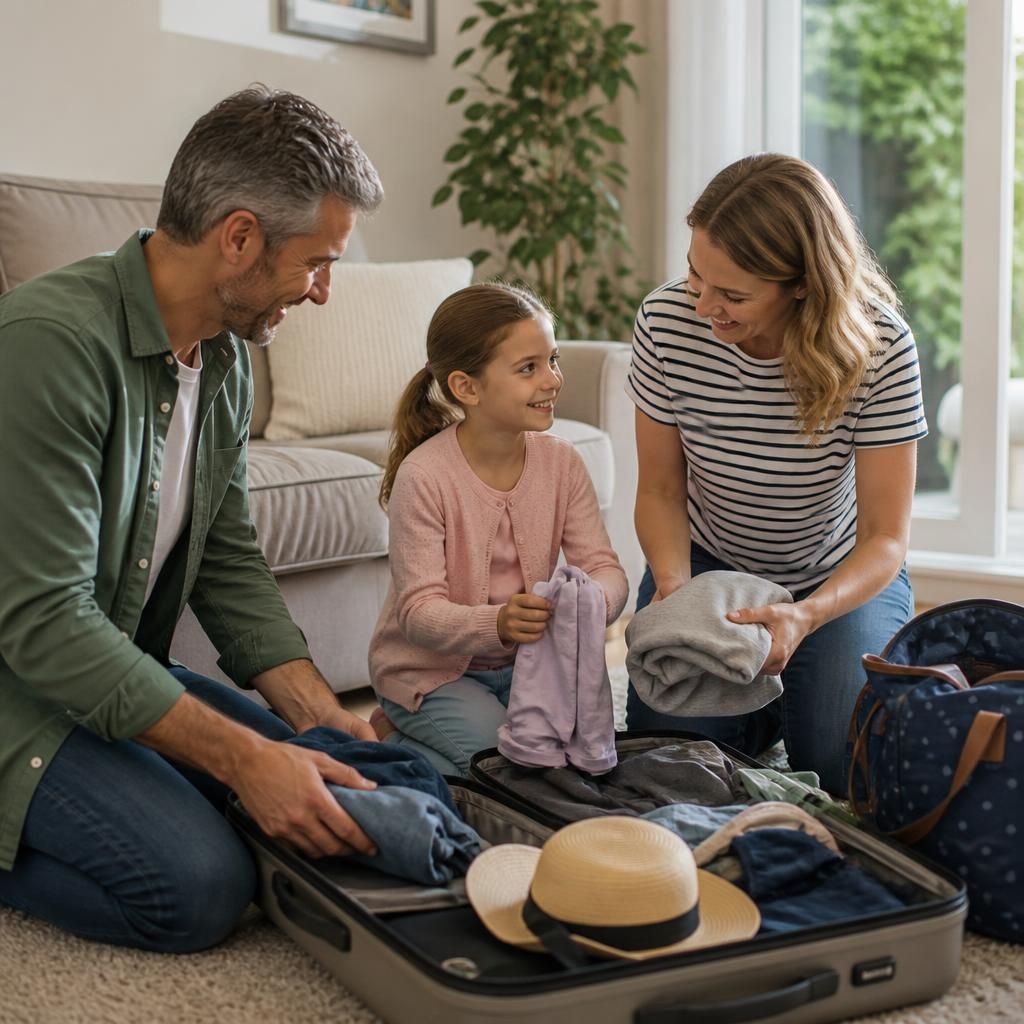
The timing of a family holiday can matter as much as the destination. A child who has recently joined your household, is settling after a difficult move or is preparing for a transition may find travel particularly disruptive. Discuss the timing with your fostering team, rather than assuming that an otherwise suitable trip will be right for the placement.
It may be helpful to consider whether the holiday would:
- give the child enough time to feel secure in the household before travelling;
- allow them to return to familiar routines afterwards;
- affect planned meetings, reviews or transition arrangements; and
- create expectations about future holidays that may not be possible to maintain.
A careful decision protects the child’s sense of stability while helping the household make realistic plans.
Ask Us About Fostering and Family Holidays
If you are considering fostering and want to understand how family holidays could work for a child in your care, contact our team to discuss your circumstances and the questions you need answered.