
What happens when a child leaves a foster home?
When a child leaves a foster home, they may return to their birth family, move to another foster placement, enter supported accommodation, or move towards adoption, depending on their care plan and circumstances. The move should be planned with the child, foster carers and professionals, with information shared carefully and support provided to help everyone manage the transition.
Partnering with an
Ofsted Outstanding Provider
When a child leaves a foster home, the transition should be managed as a planned part of their care rather than treated as an isolated event. The child’s local authority, social worker, foster carers and other relevant professionals should agree what will happen, explain it in an age-appropriate way and consider the child’s safety, relationships, education, health and emotional needs throughout the move.
Why a child may leave
A move can happen because the care plan has changed, the child’s needs have developed, a permanent arrangement is ready, or the current placement can no longer meet those needs. Sometimes a move is planned well in advance; on other occasions, safeguarding concerns or a breakdown in the placement may require faster action. The reason for the move should be explained honestly without placing blame on the child or foster family.
Decisions about a child’s future are made by the responsible local authority and, where relevant, the court. Foster carers contribute important observations about the child’s routines, behaviour, health, education and relationships, but they do not decide alone where the child will live next.
How the transition is planned
Planning normally involves reviewing the child’s care plan and identifying the practical and emotional support needed. This may include:
- explaining the proposed move in language the child can understand;
- sharing information about routines, preferences, education, medical needs and communication methods with the next carers or home;
- arranging introductions or visits where this is safe and appropriate;
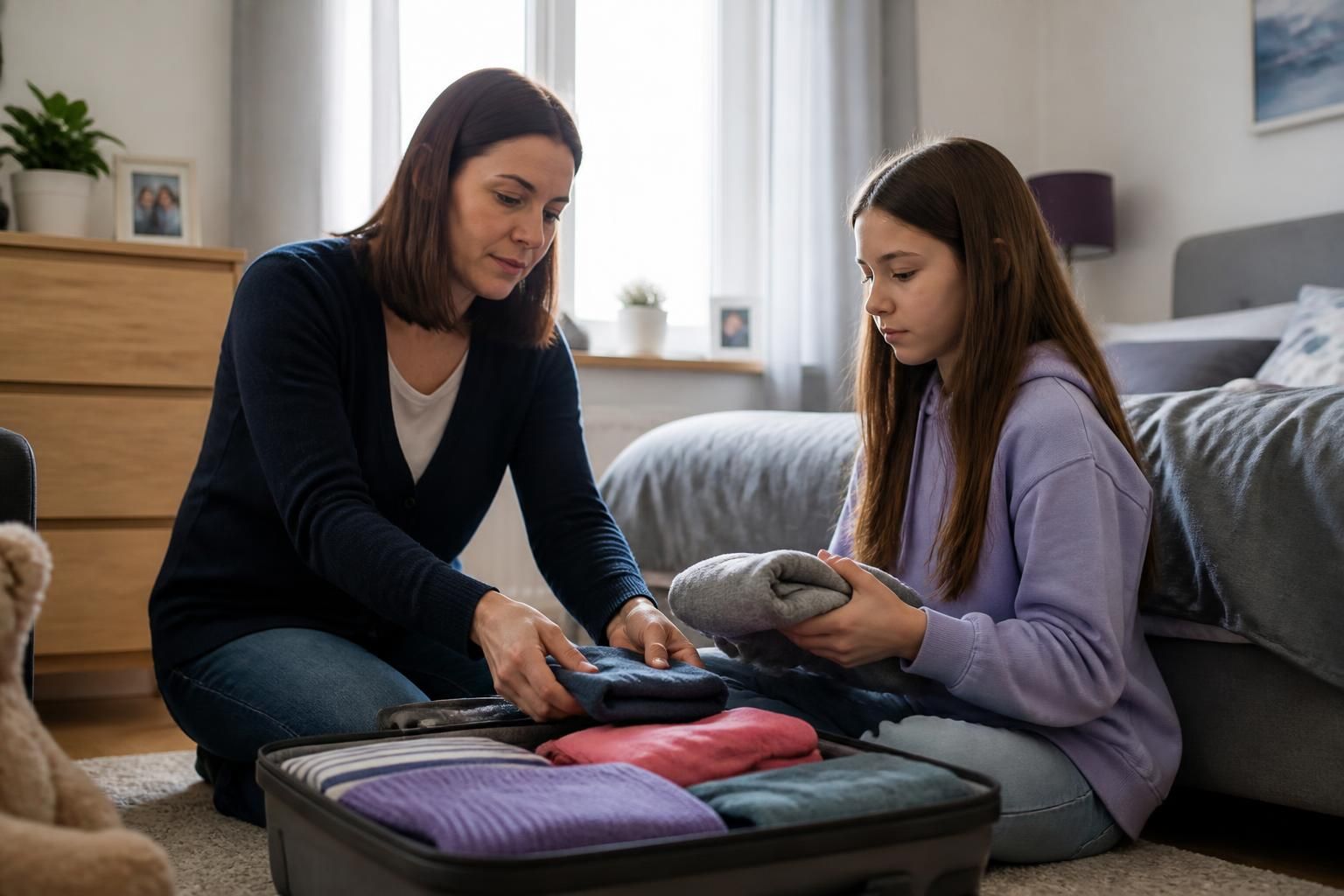
- agreeing how belongings, important documents, photographs and comfort items will move with the child;
- co-ordinating arrangements with the child’s school, health professionals and family members; and
- setting out any future contact arrangements and who will review them.
The child’s age, understanding, wishes and feelings should be considered. Children may need several conversations rather than one explanation, and younger children may need visual information, familiar objects or help from trusted adults to understand what is happening.
The role of foster carers
Foster carers can help by maintaining predictable routines, answering questions consistently and giving the child permission to talk about mixed feelings. They can prepare a written handover covering practical details that may not appear in formal records, such as how the child settles at night, what helps during anxious moments, favourite activities and important daily habits.
Personal possessions should be packed respectfully, including items the child has made or received while living with the foster family. A memory book, photographs or a suitable keepsake may help the child retain a sense of continuity, provided this is appropriate and agreed with the professionals involved.
Goodbyes should be handled according to the child’s needs and the agreed plan. A child may appear calm, angry, withdrawn or unusually cheerful. These reactions do not necessarily indicate how well they understand the change. Foster carers should avoid making promises about future contact that they cannot control and should not ask the child to take responsibility for their feelings.
Keeping in touch after the move
Whether a child remains in contact with former foster carers depends on the care plan, the child’s wishes, safeguarding considerations and the views of the adults responsible for their care. Contact might involve letters, messages, photographs, calls or agreed visits, but it must be arranged through the appropriate professionals and reviewed if circumstances change.
Contact is not automatically appropriate in every situation. It may be limited, paused or ended where it could confuse the child, affect a new relationship, create a safeguarding concern or conflict with legal arrangements. Foster carers should follow the agreed plan rather than contacting the child independently.
Support for foster carers
A child leaving can be difficult for foster carers, even when the move is the right decision for the child. The supervising social worker and fostering team can help carers review what happened, discuss their feelings, complete records and consider how to support other children in the household. Carers should seek guidance if they are worried about a child’s reaction, the arrangements for contact or the information being passed to the next home.
After a placement ends, it can also be useful to reflect on the experience before accepting another placement. This is an opportunity to identify what worked, what was challenging and whether any further training or support would be helpful. The child’s information must continue to be handled confidentially, including when discussing the placement with friends, relatives or other children in the household.
What helps a child move forward
The most helpful approach is consistent, truthful and centred on the child. Adults should share information appropriately, avoid criticism of other caregivers and make clear that the move is an adult decision rather than the child’s fault. Familiar routines, important belongings, reliable explanations and carefully managed relationships can all reduce uncertainty.
Foster carers do not have to manage the transition alone. They should raise questions early with their supervising social worker, the child’s social worker and other professionals involved in the care plan. Clear communication helps everyone understand what is changing, what will remain familiar and how the child will be supported after leaving the foster home.
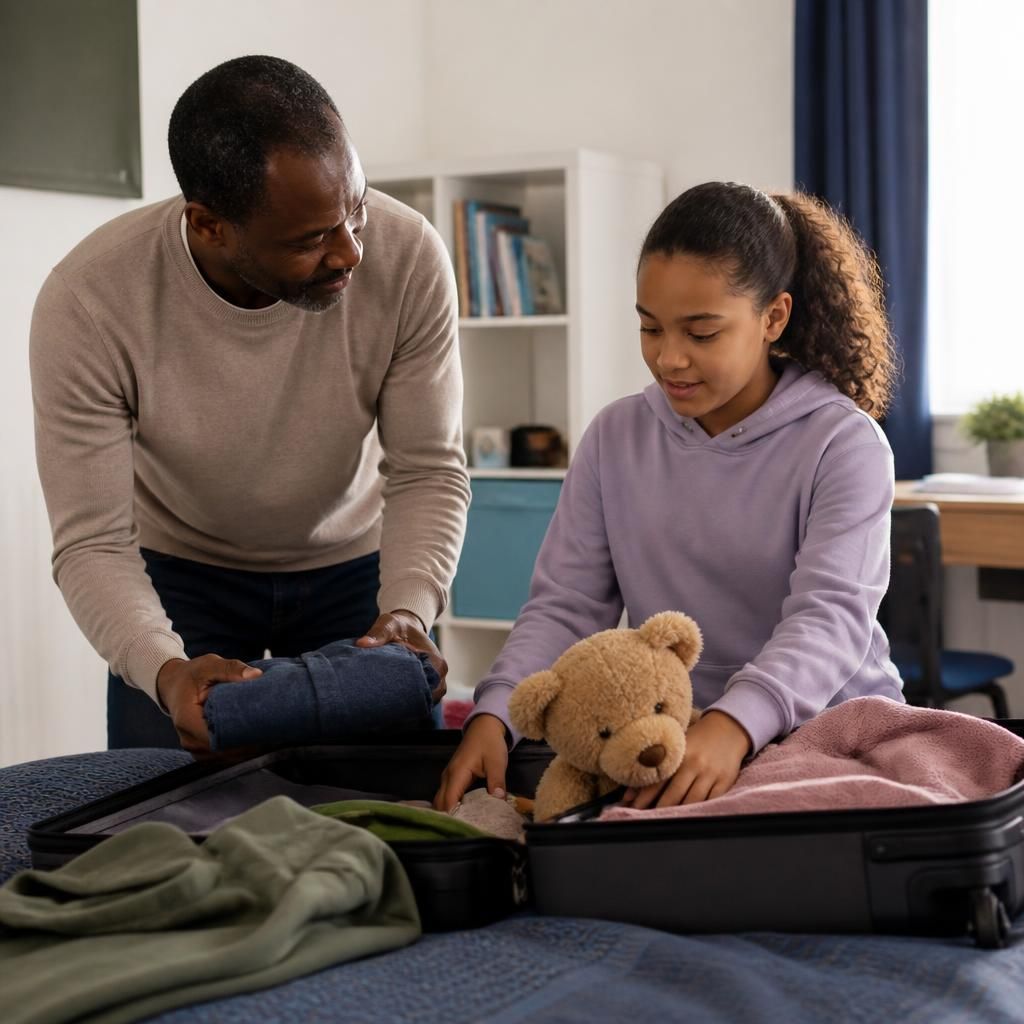
Once a child has moved, the foster carer should complete any outstanding records and check what happens to medication, equipment, school items and other belongings. The fostering service or local authority should explain how final paperwork, approved expenses and any remaining practical arrangements will be handled, as these can depend on the placement and the child’s next care setting.
A post-placement review can also help everyone identify information that should be carried forward and any support the foster family needs. This discussion is separate from judging whether the placement was successful: it is a structured opportunity to record learning, raise concerns and agree whether further training or preparation would be useful before a future placement.
Talk to us about fostering and ongoing support
If you are considering fostering and would like to understand the assessment process or support available after approval, talk to our fostering team. We can explain the next steps and help you explore whether fostering is right for your household.