
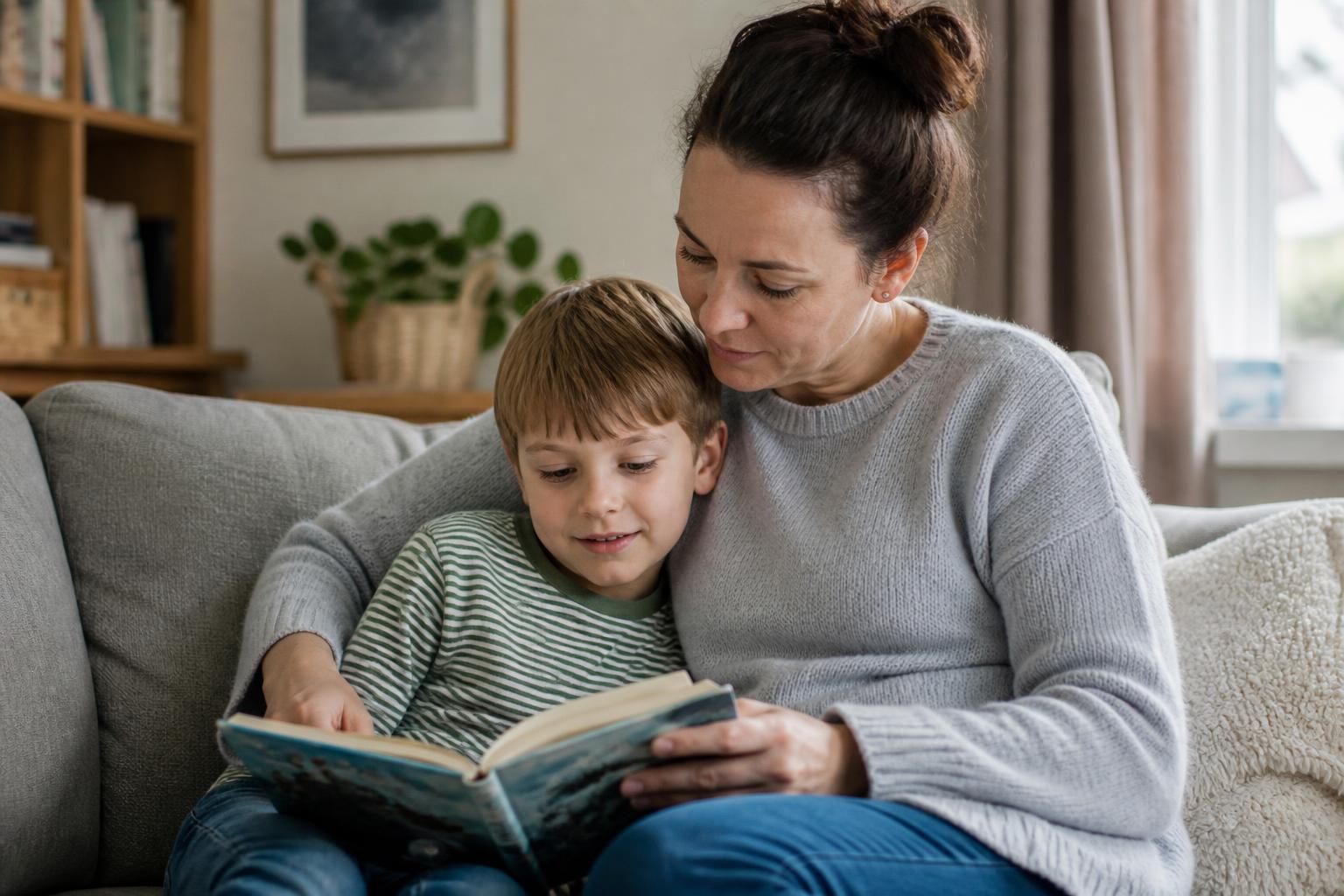
Can I become a foster parent as a single woman?
Yes, a single woman can become a foster parent in the UK. Your application will be assessed on your suitability, stability, health, home environment and ability to provide consistent care and support for a child or young person—not on your relationship status alone.
Partnering with an
Ofsted Outstanding Provider
Yes. A single woman can apply to become a foster carer in the UK. Being unmarried, divorced, widowed or not currently in a relationship does not prevent you from fostering. The assessment focuses on whether you can provide safe, consistent and appropriately supported care for a child or young person.
Foster carers do not need to be a particular gender, sexual orientation, ethnicity or religion. You may also be able to foster whether you own your home or rent it, provided the accommodation is suitable and you have permission to foster if your tenancy requires this. A child will generally need their own bedroom, although the precise requirements depend on their age, relationship to other children in the household and individual needs.
In England, applicants normally need to be at least 21. There is no single maximum age that automatically prevents someone from fostering, but your health, energy, lifestyle and ability to meet the demands of the specific placements you are considering will be assessed. You must have enough stability and space in your life to manage appointments, school or education arrangements, contact with birth family, professional meetings and the child’s everyday care.
Being a single carer does mean that the assessment will look carefully at your practical support network. This could include relatives, friends or other trusted adults who can provide help when you are unwell, attend an important appointment or need agreed respite. They cannot replace your responsibility as the foster carer, and any arrangements must be safe, suitable and agreed with the fostering agency.
Your circumstances will also be considered if you have children of your own or other people living in your household. The assessment should explore how fostering may affect them, how household routines would work and whether everyone understands the boundaries involved. You will need to consider privacy, supervision, safe caring arrangements and how you would respond if a foster child needed additional attention or presented challenging behaviour.
The application process usually includes:
- An initial discussion about your circumstances, motivation and the types of fostering that may be appropriate.
- A home visit to discuss your accommodation, household and support network.
- Checks and references, which may include enhanced criminal record checks, local authority checks, employment or personal references and checks relating to other adults in the household.
- A health assessment to consider whether you are able to meet the physical and emotional demands of fostering.
- Preparation training covering safeguarding, trauma, attachment, behaviour, safer caring and working with the child’s existing relationships.
- A full assessment report considered by an independent fostering panel or the agency’s decision-maker, depending on the agency’s process.
A previous conviction, health condition or period away from paid work does not necessarily mean that an application will be refused. Each matter is considered in context, with particular attention to safeguarding, honesty, current circumstances and how any risks would be managed. You should disclose relevant information fully rather than assume that it will automatically rule you out.
Training is important for single carers because it helps you prepare for situations that may be difficult to manage alone. It can cover the effects of abuse and neglect, children’s development, de-escalation, recording concerns, safer caring and working with social workers, schools and birth families. You will continue learning after approval through ongoing training and supervision.
Approved foster carers receive support from their fostering agency, including regular supervision, guidance about placements and access to advice when concerns arise. The exact arrangements vary, so ask how the agency supports carers outside scheduled supervision, how it provides respite or practical assistance, and who you would contact about safeguarding or allegations.
Fostering is not the same as becoming a child’s legal parent. The local authority and the child’s birth family may continue to have legal responsibilities and involvement in decisions, depending on the child’s circumstances. Your role is to provide day-to-day care within the agreed plan, share information appropriately and support the child’s welfare and relationships.
Foster carers usually receive a fostering allowance and, in some circumstances, additional payments or financial support. The amount and structure depend on the agency, the child’s needs and the type of placement, so request current written information before applying. You should also consider how fostering may affect your employment, benefits, pension and tax position and obtain independent financial advice where necessary.
Before applying, consider whether you can offer the required availability and consistency, identify reliable people who could support you, and discuss how fostering would fit with your home and existing commitments. A fostering adviser can explain the assessment requirements and help you decide which types of placement may be realistic for your circumstances.
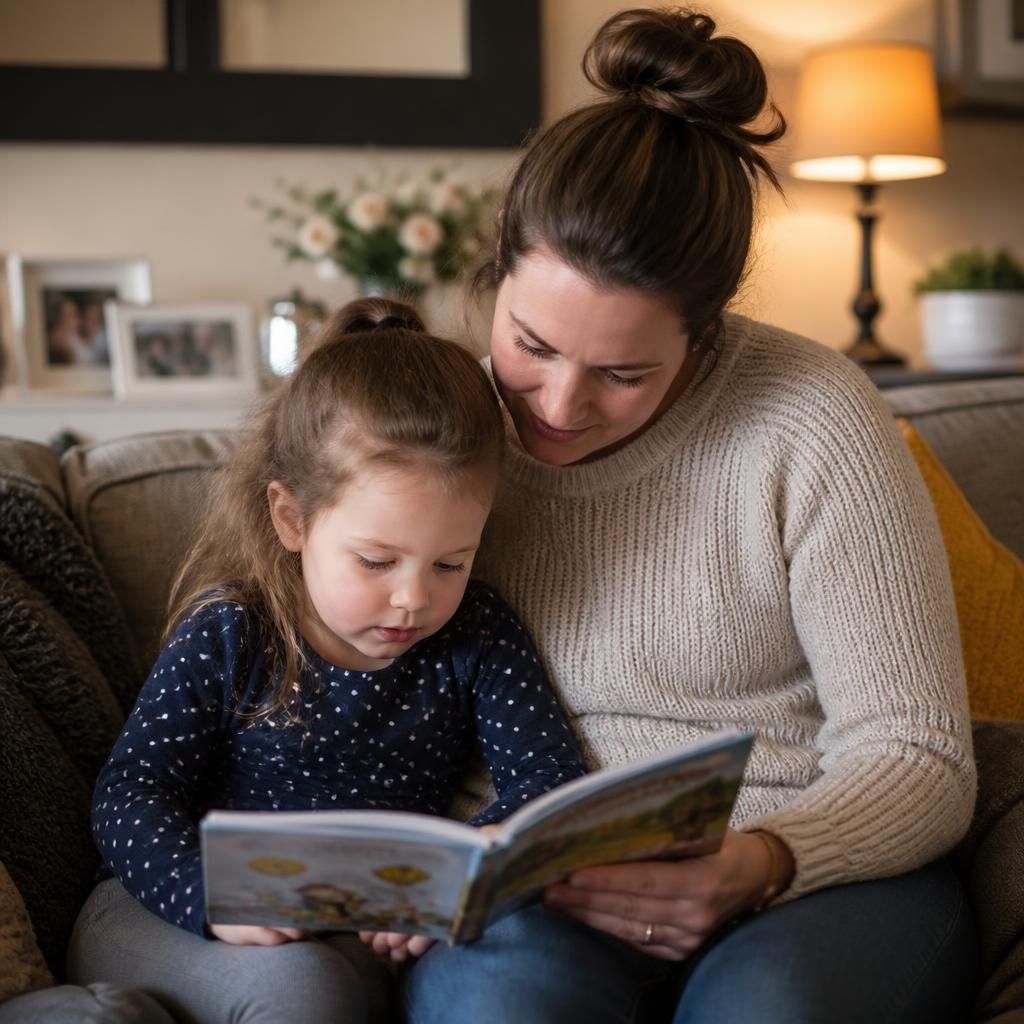
As a single woman, you can be assessed for fostering based on the care you can provide rather than your relationship status. The assessment will consider how your experience, personality, routines and skills may suit particular children or young people.
It is important to be open about the type of fostering you are considering. Some placements may involve school routines, family contact, therapeutic support or managing behaviour linked to trauma. Discussing these responsibilities with your fostering adviser can help establish which arrangements are appropriate for your circumstances and where you may need further preparation.
Discuss your fostering options as a single woman
If you are considering fostering as a single woman, contact Become a Foster Family to discuss your circumstances and the next steps in the assessment process.