

What household changes may be needed before becoming a foster parent?
Before becoming a foster parent, you may need to provide a suitable bedroom, improve household safety, organise storage and make practical adjustments to support a child’s privacy and wellbeing. The exact changes depend on your household and the needs of children you may foster, and they will be discussed during the assessment and home safety checks.
Partnering with an
Ofsted Outstanding Provider
Household changes before becoming a foster parent are often practical and organisational rather than major structural alterations. Alongside preparing the home itself, you may need to adjust routines, responsibilities, relationships and expectations so that a child can join the household safely and with as much consistency as possible.
The changes required will depend on the age, circumstances and needs of the children you are approved to foster. They will also depend on who already lives in your household, your working arrangements and the type of fostering you are considering. During the assessment, your fostering service will discuss what may need to change and explain which arrangements need to be in place before approval.
- Reviewing family routines: School runs, mealtimes, bedtime, appointments and leisure activities may need to become more predictable. A foster child may initially need additional help with transitions, personal care, homework or attending meetings, so the household timetable should allow enough flexibility.
- Agreeing responsibilities: Everyone in the household should understand how fostering may affect them. You may need to agree who will attend meetings, manage transport, communicate with professionals and provide day-to-day care. If you have a partner or children, their views will form an important part of the assessment.
- Preparing children already at home: Birth children may need clear, age-appropriate information about fostering, personal boundaries and the changes they might notice. They should know which belongings, conversations and activities remain private, and who they can speak to if they are worried or finding the change difficult.
- Considering pets: Pets can be an important part of family life, but their behaviour and interaction with a foster child will need to be considered. You may need arrangements for supervision, separation or gradual introductions, particularly where a child has experienced neglect, abuse or has particular fears.
- Managing privacy and information: Foster carers receive sensitive information about children and their families. The household may need agreed rules about conversations, visitors, photographs, social media, messaging and what can be shared outside the home. These rules help protect the child’s confidentiality and dignity.
- Planning for contact and appointments: Some children have contact with parents, relatives or other important people, as well as health, education or therapeutic appointments. Your household may need to accommodate travel, preparation and changes to the usual routine. The fostering service will explain the arrangements for a particular placement.
- Checking work and childcare arrangements: Fostering can affect working patterns and existing childcare plans. You should consider who will care for the child during school holidays, illness, training, appointments and unexpected changes. Any proposed arrangements must be suitable for the child and acceptable within the fostering assessment.
- Organising household administration: Foster carers usually need to keep records, attend meetings, complete training and communicate with social care professionals. Setting aside a suitable place and regular time for confidential paperwork can make these responsibilities easier to manage.
- Reviewing visitors and social activities: You may need to agree how visitors, overnight guests, celebrations and holidays will be managed. Plans should take account of the child’s routines, confidentiality, relationships with family members and any guidance linked to their placement.
It is also important to discuss the household’s approach to rules, behaviour and boundaries. Foster children may respond differently to ordinary expectations because of their previous experiences. Foster carers are expected to use approved, supportive approaches rather than relying on punishment. Existing household rules may therefore need to be explained clearly and applied in a way that is appropriate to the child.
Some changes may only become clear once a child is identified for a placement. For example, the household may need to adapt plans around education, dietary needs, cultural or religious practices, communication, mobility or emotional support. This does not mean every foster carer must be prepared for every situation; approval and matching take account of what your household can realistically provide.
Before applying, discuss fostering openly with everyone who lives in the home and consider how it could affect work, relationships, finances, routines and personal time. A realistic conversation at this stage can identify practical changes early and help your assessing social worker understand the strengths and limits of your household.
Household preparation is therefore an ongoing process, not a single checklist. The aim is to create clear, workable arrangements that protect the child, respect existing family members and allow you to meet the responsibilities of fostering. Your fostering service will provide guidance through assessment, training and the home checks, including advice on any changes that are specific to your circumstances.
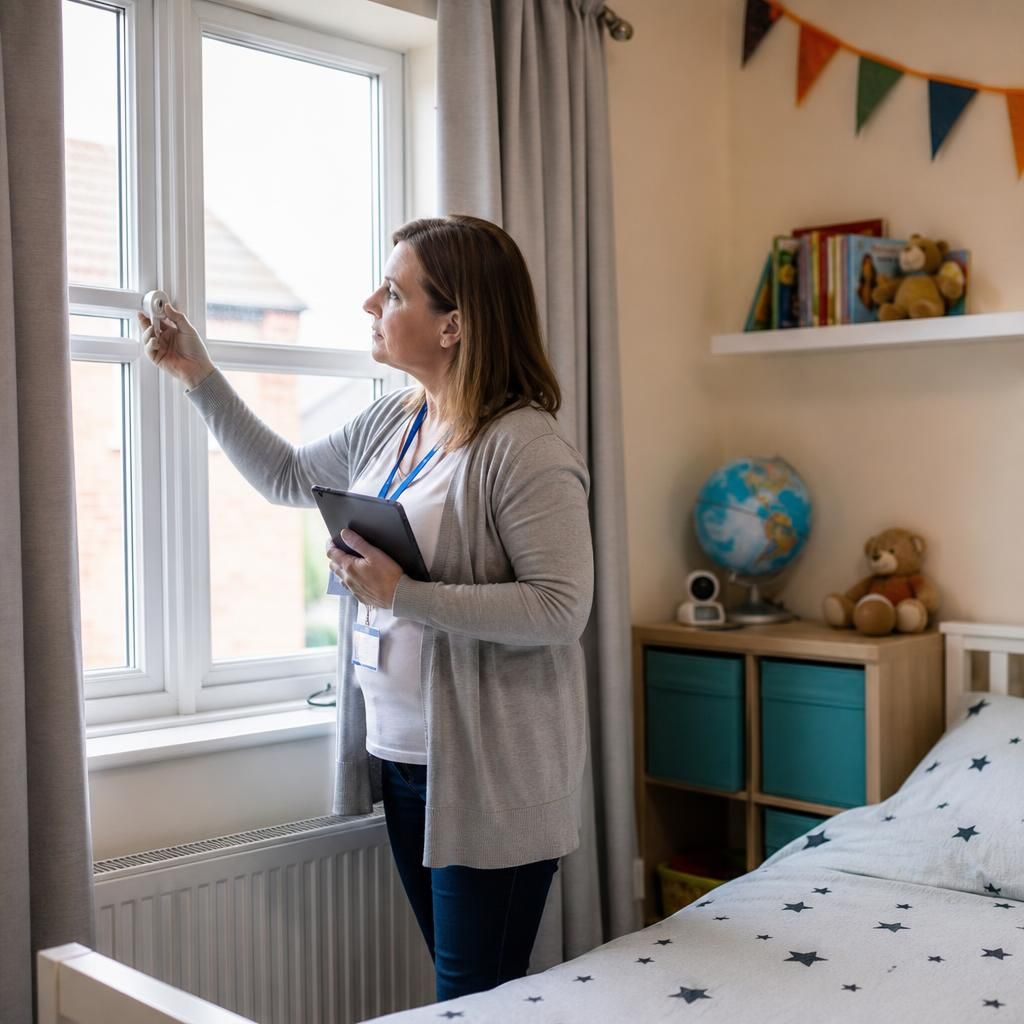
One practical household change before becoming a foster parent may be confirming that your accommodation can be used for fostering. If you rent your home, check your tenancy agreement and ask your landlord whether permission is needed before applying or making any changes. Homeowners should also review any relevant lease or occupancy conditions.
Raise these arrangements during your fostering assessment rather than assuming they will not matter. Your fostering service can explain what information may be needed and whether any proposed changes to the property require approval. This helps prevent avoidable difficulties later and allows the assessment to consider your home as it actually operates.
Discuss the household changes needed before becoming a foster parent
If you are unsure whether your current arrangements are suitable for fostering, contact Become A Foster Family to discuss your circumstances and learn more about the assessment process.