

Can single people become foster parents?
Yes, single people can become foster parents. Approval focuses on your ability to provide safe, stable and nurturing care, alongside meeting the fostering requirements and completing the assessment and training process.
Partnering with an
Ofsted Outstanding Provider
Single adults can apply to foster, provided they can meet the required standards and demonstrate that they can offer consistent, safe and dependable care. Your relationship status is not, by itself, a barrier. The assessment considers your circumstances, experience, health, home life and ability to meet a child’s needs rather than whether you have a partner.
Fostering as a single person means taking primary responsibility for day-to-day care, appointments, routines, communication and record keeping. You will need to think honestly about how fostering would fit with your work, health, friendships and other commitments. A fostering assessment will explore the practical arrangements you would make for school runs, contact with a child’s family, meetings, illness and holidays.
It is also important to identify people who can form part of your support network. This might include relatives, close friends or other trusted adults. They cannot replace your responsibility as the approved carer, but they may provide practical and emotional support when appropriate. Anyone who has a significant role in a child’s life or spends time in your household may need to be considered as part of the assessment and complete relevant checks.
As with any applicant, you will need to provide information for statutory checks, references and health assessments. The fostering service will also consider your finances, accommodation, personal history and safeguarding awareness. You should be open about previous relationships, household members, significant life events and any circumstances that could affect your ability to care. Honest information allows the assessing social worker to consider what support or preparation may be needed.
Your home will need to provide suitable space and a stable environment for a child. The requirements can vary according to the type of fostering and the child’s needs, so your assessing social worker will explain what would be expected in your circumstances. The assessment is not intended to find a perfect family; it is designed to establish whether fostering is suitable and which placements could be safely considered.
Before approval, you will complete preparation training and take part in a detailed assessment. Training typically covers safeguarding, attachment, trauma, behaviour, identity, safer caring and working with a child’s birth family. You will have opportunities to ask questions and consider how the subjects relate to your own experience. Approval is considered by a fostering panel or through the relevant agency decision-making process after the assessment has been completed.
Single foster carers receive professional support, including guidance from the fostering service, training and ongoing advice after approval. Become a Foster Family provides information, training, financial support and continued assistance to people considering fostering across the West Midlands. The support available should be discussed during your initial enquiries and assessment, particularly if you want to understand how single carers manage responsibilities, build a support network and prepare for their first placement.
Foster carers generally receive an allowance for the care they provide, although the amount and arrangements depend on the fostering service, the placement and the child’s needs. It should not be treated as a straightforward salary, so you should discuss household budgeting and any financial implications before applying.
If you are considering fostering alone, useful questions to explore early include:
- Who could support you with practical tasks or unexpected problems?
- How would you manage appointments, school commitments and contact arrangements?
- What experience do you have of caring for children or supporting people through difficult circumstances?
- How would you maintain boundaries while helping a child feel secure?
- What type of placement would fit your skills, home and existing responsibilities?
Being single does not prevent you from becoming a foster carer. The important issue is whether you can provide the right care and have realistic arrangements for managing the responsibilities of fostering. An initial discussion with a fostering service can help you understand the requirements before deciding whether to proceed.
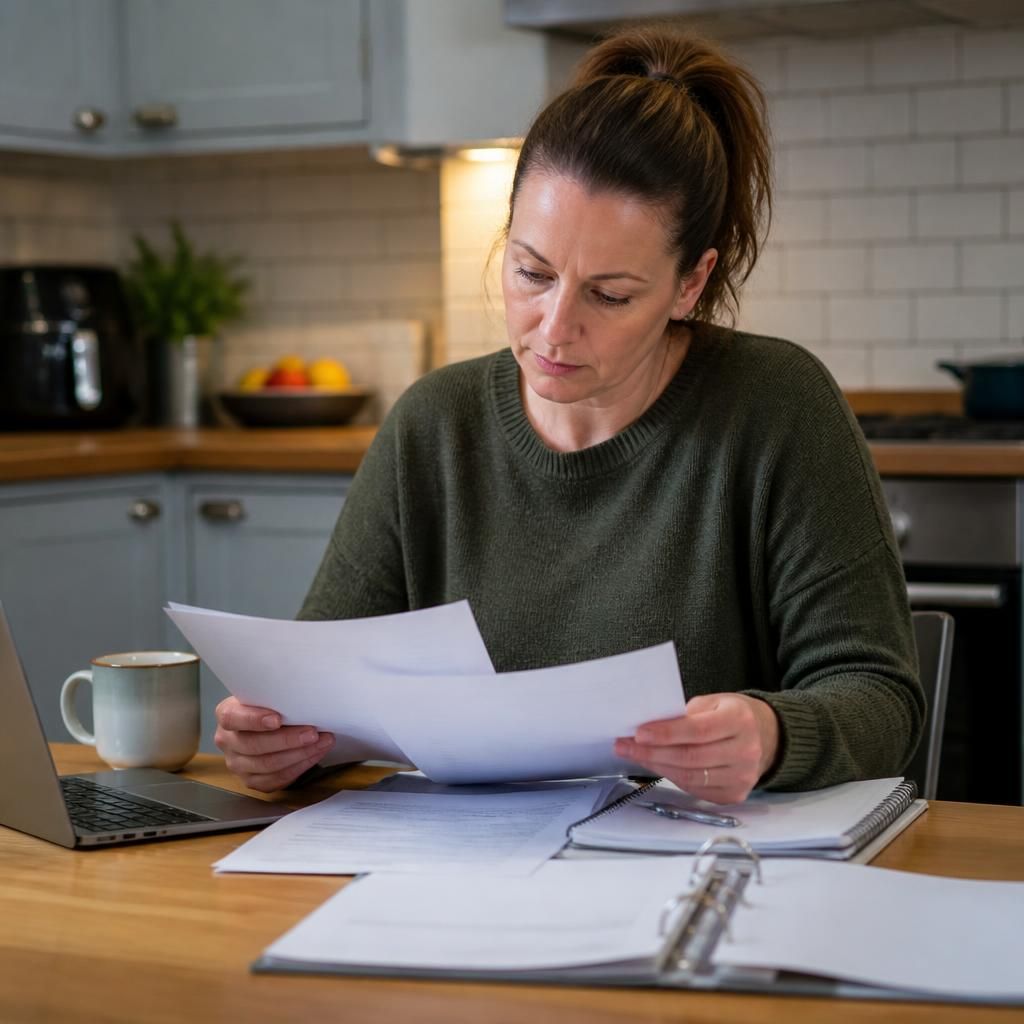
Being the sole approved foster carer does not mean making every decision alone. The child’s social worker, your supervising social worker and other professionals involved in the placement will remain part of the care team. Your role is to provide day-to-day care, share accurate observations and follow the child’s agreed care plan.
You will also be guided on which decisions can be made as part of ordinary family life and which need agreement from the fostering service, the child’s social worker or another person with parental responsibility. Understanding these boundaries is particularly important for single applicants, as it helps you know when to seek advice rather than feeling that you must resolve a complex issue independently.
Discuss your fostering options as a single applicant
If you are considering fostering as a single applicant, contact Become a Foster Family to discuss your circumstances and the next steps in exploring your fostering options.