
Do I need a spare bedroom to become a foster parent?
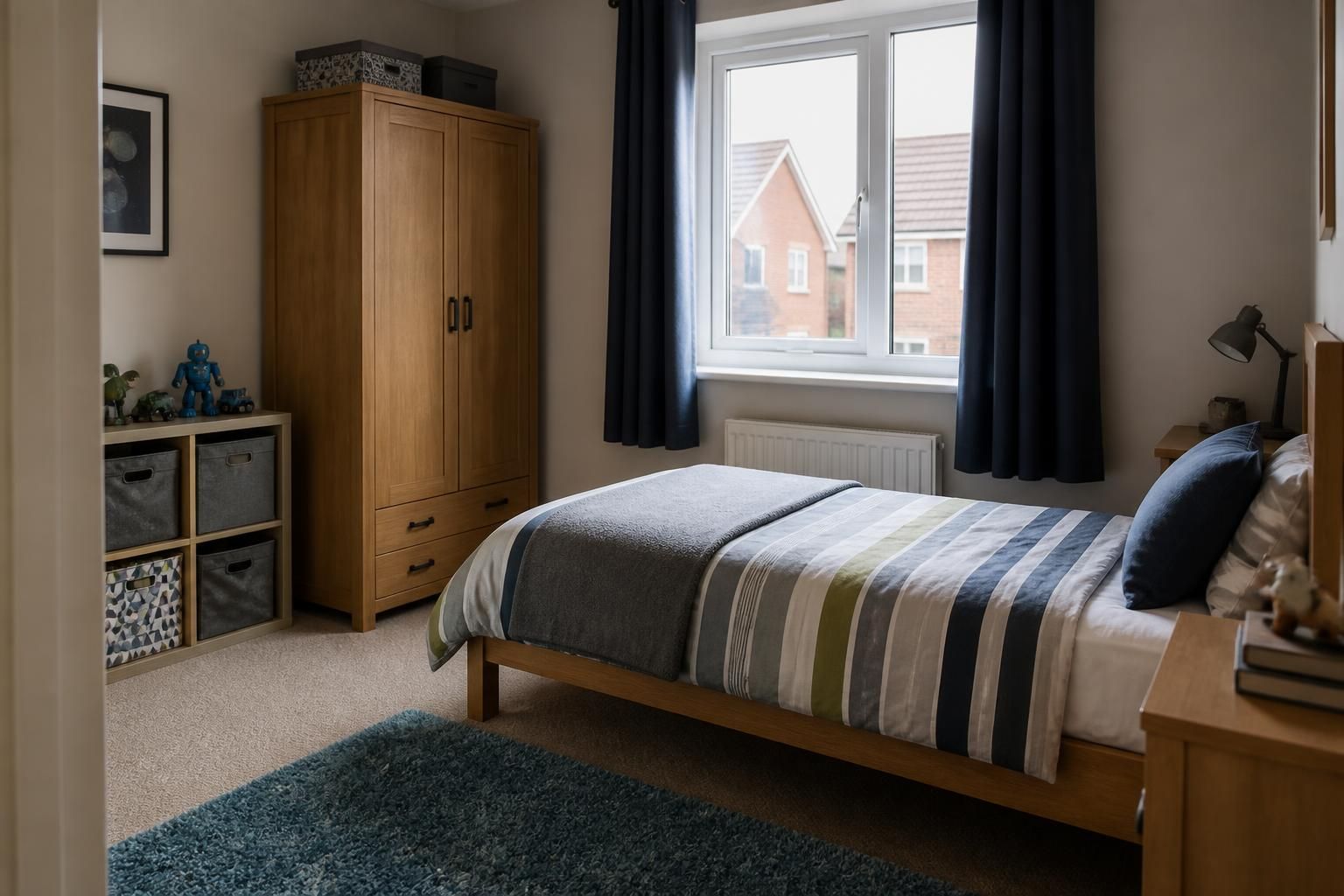
Yes, you will normally need a spare bedroom to become a foster parent, as a foster child should have their own sleeping space separate from foster carers and other household members. The fostering assessment will consider the room, your household and whether any arrangement—such as siblings sharing—would be suitable for the children’s ages, needs and circumstances.
Partnering with an
Ofsted Outstanding Provider
In most cases, you will need a spare bedroom to become a foster parent. The room should provide a foster child with a safe, private and suitable place to sleep, separate from foster carers and other household members. You do not usually need to own your home or have a large property, but the available space must meet the child’s needs and the relevant fostering requirements.
The room does not have to be large or luxurious. During the fostering assessment, the assessor will consider whether it has enough space for a suitable bed, clothing storage and personal belongings, as well as adequate heating, ventilation, lighting and privacy. Safety features such as secure windows, safe access and working smoke alarms will also be considered as part of the wider home assessment.
A foster child would not normally sleep in your bedroom or share a room with an adult. They should also generally have their own room rather than share with another child in the household. An exception may be possible for brothers and sisters placed together, but this depends on their ages, relationships, individual needs and the circumstances of the placement. The agency will decide whether sharing is appropriate for the particular children involved.
The room may need to be suitable for children of different ages and with different needs. For example, a room for a younger child may need additional safety measures, while an older child may need more privacy and space for personal belongings. The assessment will also consider the number of other people living in the home, whether the room is used for another purpose and whether the proposed arrangements are likely to remain suitable if your household circumstances change.
A living-room sofa, temporary sleeping arrangement or a room that is regularly used by another household member will not usually provide the consistent privacy expected for fostering. If you are considering converting a study, dining room or other space into a bedroom, discuss this with the fostering assessor before making changes. They can explain what would need to be in place and whether the proposed arrangement is suitable.
If you currently do not have a spare bedroom, this does not necessarily end your plans to foster. You may be able to reorganise your home, move to a property with more suitable space or consider whether your circumstances could change in the future. It is best to be open about your current accommodation when you make an enquiry, as the assessment is based on the home and household you can provide rather than on plans that have not yet been put into practice.
If you rent your home, you may also need to check your tenancy agreement and obtain permission from your landlord before making changes or fostering. Other practical matters, such as home insurance and any safety requirements, should be discussed during the application process.
The bedroom is assessed as one part of a wider fostering assessment. This also looks at your household, health, background checks, relationships, experience, motivation, ability to work with professionals and capacity to meet a child’s day-to-day needs. You will receive information about the assessment and complete the required preparation and training before a decision is made about approval.
If your home has limited space, speak to a fostering team before assuming that fostering is impossible. Become A Foster Family provides guidance, training and ongoing support across the West Midlands, with local staff available through its Droitwich and Stoke offices and across the wider region. They can help you understand how the bedroom requirement applies to your household and what to consider before applying.
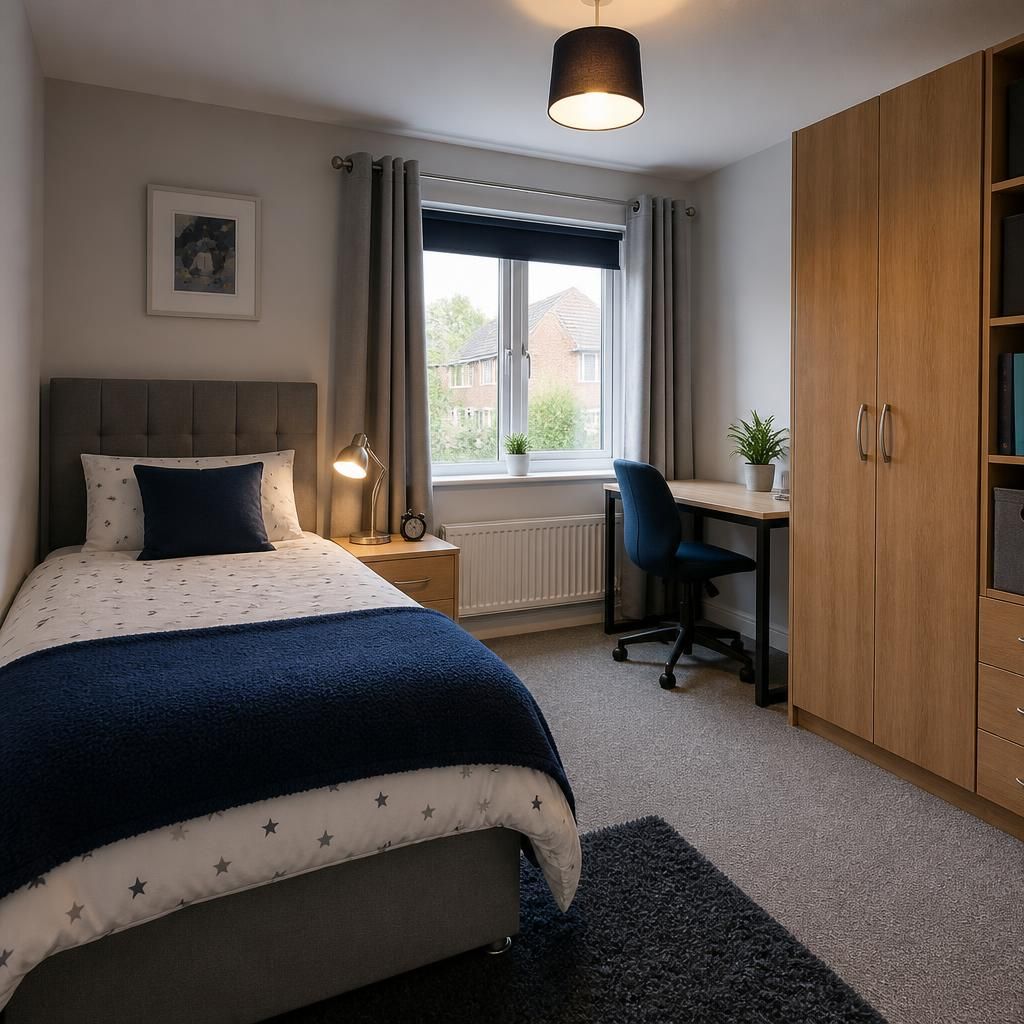
A spare bedroom does not necessarily have to remain unused between placements. In many households, it may serve as a guest room or study when no child is living there, provided it can be made fully available and suitable before a placement begins. The fostering team will discuss how the room is used, what needs to be moved or stored elsewhere, and whether the arrangement gives a child a consistent sense of privacy and belonging.
Find out whether your home is suitable for fostering
Contact our fostering team to discuss your home and find out what you would need to consider before applying. We can explain the next steps and help you decide whether fostering could be suitable for your circumstances.