

Can single people become foster carers?
Yes, single people can become foster carers. You will need to meet the same suitability requirements as other applicants, including providing a safe, stable home and demonstrating that you can meet a child’s needs with appropriate support around you.
Partnering with an
Ofsted Outstanding Provider
Being single is not, by itself, a barrier to fostering. Single applicants are assessed on their ability to provide consistent care, meet a child’s individual needs and work with professionals, rather than on whether they have a partner. The assessment will consider your complete circumstances, including your home life, health, employment, experience, support network and reasons for wanting to foster.
Fostering alone can involve significant responsibility, so you will need to show how you would manage the practical demands of caring for a child. This may include school or nursery arrangements, appointments, contact with family members, transport, household routines and unexpected changes to plans. You should also explain who could help you if you were unwell, had an emergency or needed practical assistance. Support might come from relatives, friends or other trusted adults, but those people should understand what being part of your support network may involve.
Your fostering agency will want to know how you make decisions, manage pressure and respond to children who may have experienced loss, neglect or trauma. Previous parenting, childcare, education, health, youth work or community experience can be relevant, but you do not need to have been a parent to apply. More important is your ability to reflect on your own experiences, accept guidance and provide patient, reliable care.
The usual assessment considers areas such as:
- your reasons for wanting to foster and your understanding of the role;
- your physical and emotional health, supported by medical information where required;
- your finances and whether your household could manage the practical costs of fostering;
- your accommodation and whether it is suitable for a child placed with you;
- your relationships, lifestyle and ability to offer stability;
- your experience of caring for or working with children;
- your support network and arrangements for managing emergencies or planned commitments; and
- the necessary safeguarding, identity, criminal record and other background checks.
Being the only adult in the household does not mean you are expected to handle every aspect of fostering without help. Foster carers work with their fostering agency, social workers, schools, health professionals and other services. You will receive preparation and ongoing training, and you should have opportunities to discuss placements, development and any concerns with the professionals supporting you. Before applying, it is sensible to identify the people you could rely on and discuss whether they could help with transport, practical tasks or emotional support.
The application process generally starts with an initial conversation about your circumstances and the types of fostering that may be suitable. If you decide to proceed, you will complete preparation training and a formal assessment. This normally involves detailed discussions about your background and household, references, checks, a home assessment and medical information. The assessing social worker uses this information to prepare a report for consideration by a fostering panel or the agency’s decision-maker. Approval is only given when the agency is satisfied that you can meet the relevant fostering standards.
If you work, your assessor will discuss how your working pattern fits with fostering. The important issue is whether you can give a child the time and availability needed for the type of placement being considered, with suitable arrangements for responsibilities that cannot be changed. Your financial position will also be discussed. Fostering payments can include an allowance and, depending on the agency and circumstances, other payments or fees. These arrangements vary, so ask for current details and how they may apply to your situation. Fostering should not be treated as a guaranteed replacement for employment income.
You should also think carefully about the type of placement you could manage as a single carer. A child’s age, needs, contact arrangements and the level of support required can all affect the day-to-day role. Being open about your circumstances allows the agency to consider appropriate matches rather than assuming that every placement would be suitable.
If you are considering fostering alone, an initial discussion with a fostering organisation can help you understand the assessment criteria, training, support and financial arrangements before you make a formal application. Become A Foster Family supports prospective carers across Birmingham, Worcestershire, Staffordshire and the wider West Midlands, including Dudley, Sandwell, Herefordshire, Telford, Wolverhampton, Shropshire, Walsall, Warwickshire, Stoke, Solihull, Coventry and Gloucestershire.
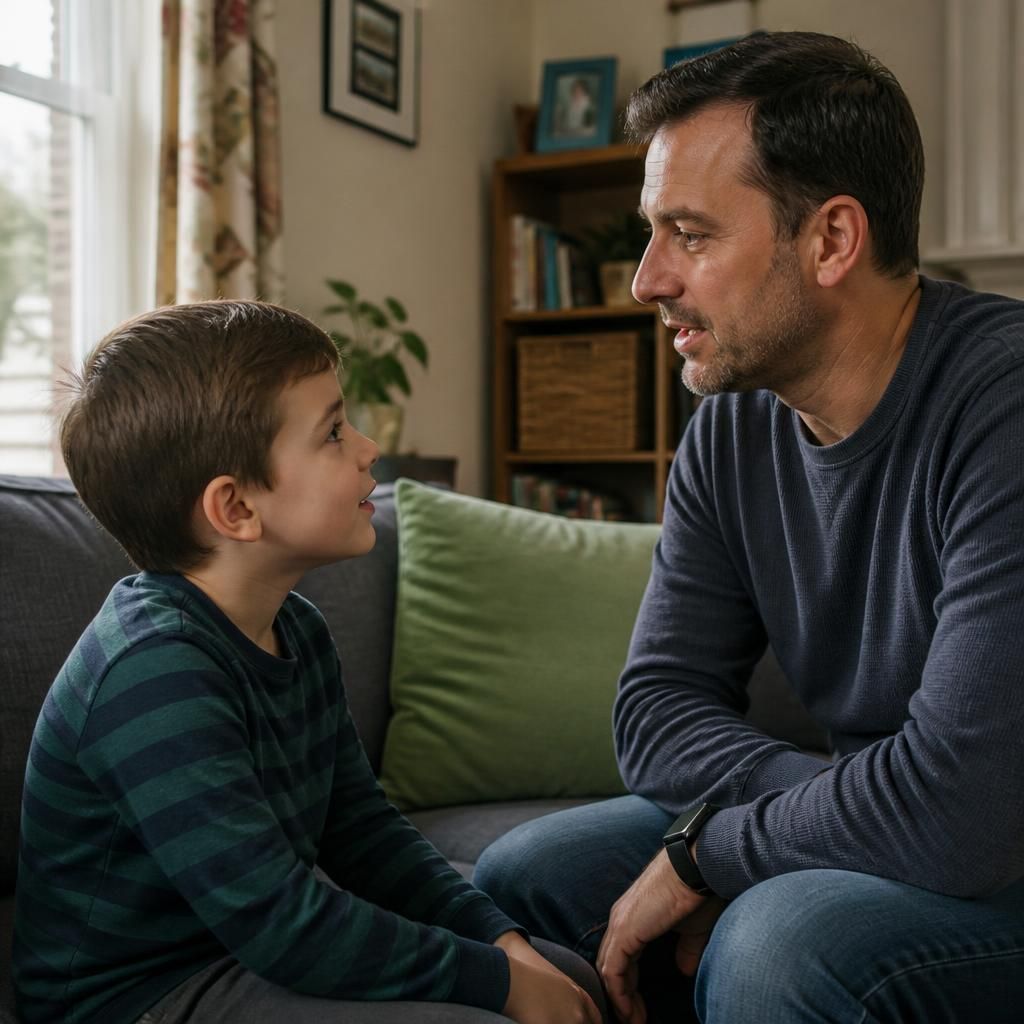
Single foster carers are not expected to make every decision alone. A child’s care plan sets out their needs, routines and arrangements, while the foster carer contributes day-to-day observations and works with the child’s social worker and other professionals. Important decisions may involve the local authority, birth family or other people with parental responsibility.
This shared approach means that being a single applicant should not be confused with being solely responsible for every aspect of a child’s care. What matters is your ability to communicate clearly, keep accurate information, follow agreed plans and raise concerns when a child’s needs change. Understanding these professional boundaries can help you decide whether fostering is suitable for your circumstances.
Talk to us about becoming a single foster carer
If you are considering fostering as a single person, talk to Become A Foster Family about your circumstances and the next steps. You can ask questions before deciding whether to apply.