
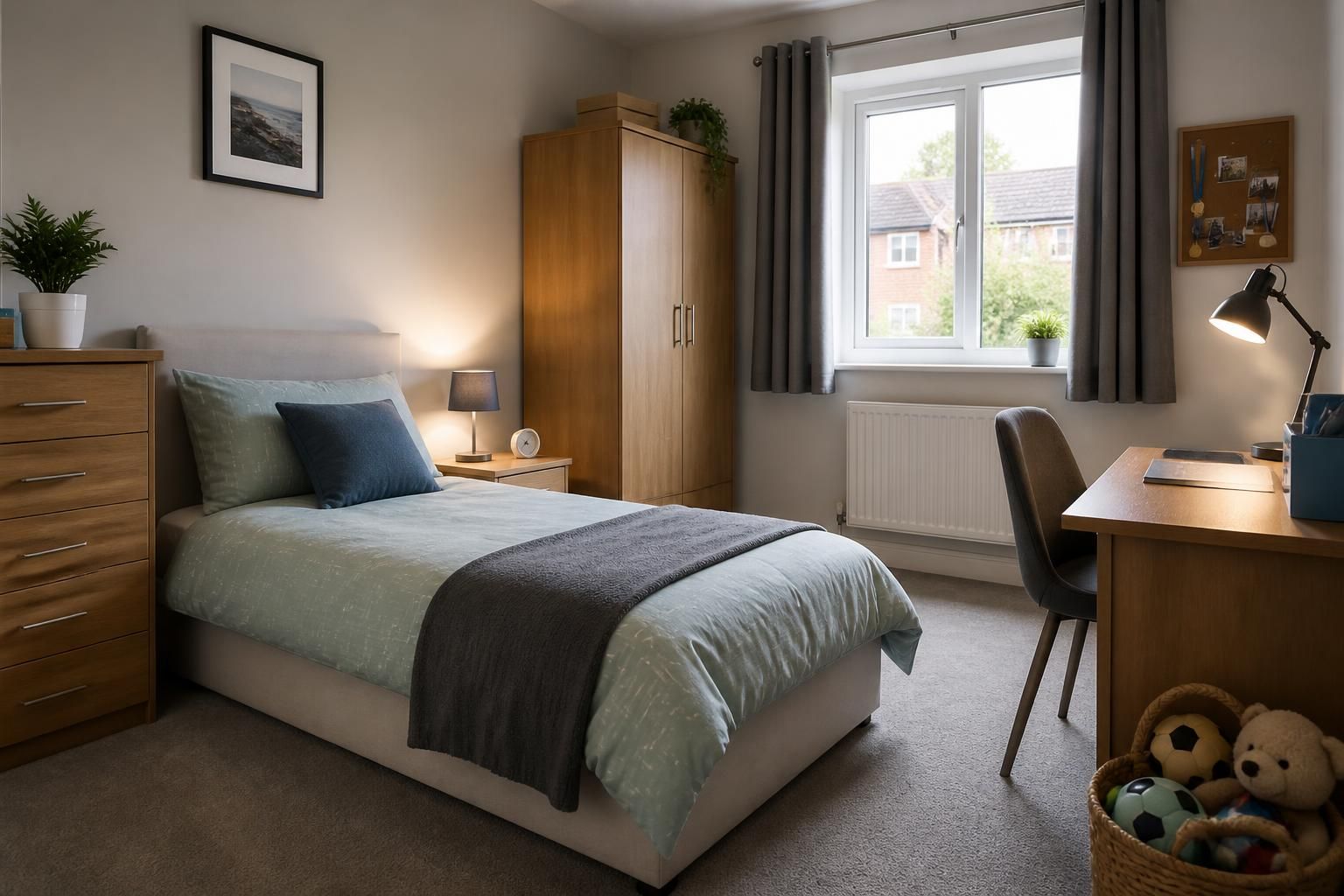
Do I need a spare bedroom to become a foster carer?
In most cases, you need a spare bedroom for a foster child, although exceptions may apply for babies or sibling groups where sharing is considered suitable. Your fostering service will assess the space, privacy and safety of your home against the child’s age and individual needs.
Partnering with an
Ofsted Outstanding Provider
A separate bedroom is normally required for a foster child, but it is not the only factor considered. The fostering service will assess whether the available space is suitable for the child’s age, development, privacy, safety and individual circumstances. A spare room does not need to be large or specially furnished, but it must provide a stable, appropriate place for the child to sleep and keep personal belongings.
Fostering services generally expect a child to have their own bedroom. This gives them privacy and helps establish a clear sense of personal space within the household. Room-sharing is not usually treated as the standard arrangement, particularly where it could affect a child’s safety, sleep, dignity or emotional wellbeing.
There can be exceptions. For example, a baby may sometimes share a foster carer’s bedroom, subject to the child’s age, care plan and safe sleeping requirements. Siblings may also be considered for the same bedroom where sharing is appropriate for their relationship, ages and needs. These arrangements must be agreed by the fostering service rather than assumed by the applicant.
Sharing a room with another child already living in your home is considered on an individual basis. The assessment may take account of:
- the children’s ages, sex and stages of development;
- their relationship with one another;
- any medical, behavioural, sensory or communication needs;
- the child’s history, including experiences that may affect their need for privacy;
- the safety and wellbeing of everyone in the household; and
- whether the arrangement remains suitable as the children grow and their circumstances change.
A suitable bedroom should normally be clean, warm, adequately ventilated and in a good state of repair. It should have enough room for a bed, clothing storage and the child’s personal possessions, with suitable lighting and heating. The service will also consider access to the room, household privacy, fire safety and any risks within the property. You may need to make practical changes, such as installing safety equipment or rearranging furniture, before approval can be completed.
The room does not usually need to be decorated in a particular style. A child-friendly space can be prepared gradually, and the child’s age and preferences should be considered where this is known. It is also important to avoid making promises about a specific child or placement before matching has taken place, because bedroom needs can differ considerably.
Bedroom arrangements are checked as part of the fostering assessment. A social worker will discuss the rooms in your home, inspect the available space and consider how it would work alongside your household’s daily routines. They will also ask about who lives in the property, whether anyone uses the room for another purpose and how the arrangement could change if a child’s needs develop.
If you are thinking about fostering but do not currently have an unused bedroom, explain your circumstances to the fostering service before applying. They can clarify whether your proposed arrangement could be considered, what information would be needed and whether any changes to your home may be required. Approval depends on the full assessment of your household and home, not on the bedroom alone.
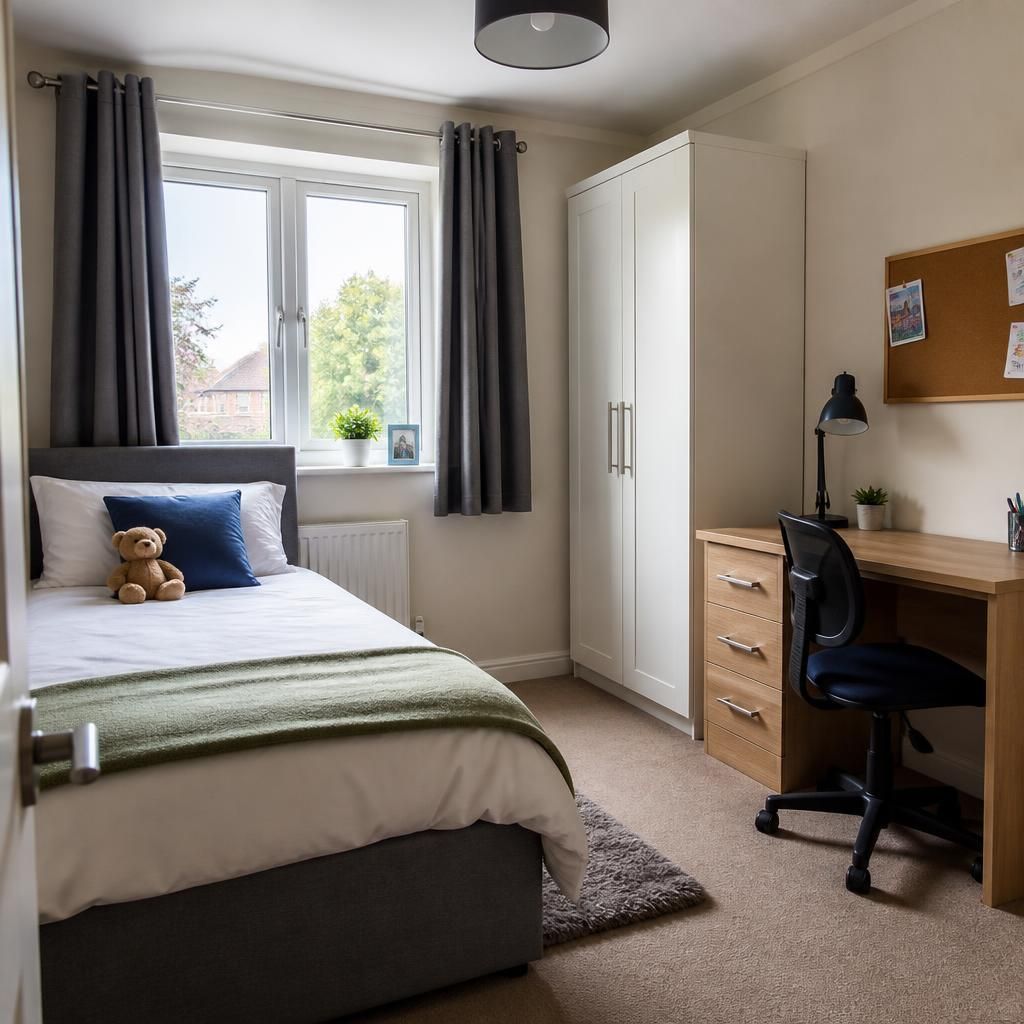
A spare bedroom needs to be genuinely available for fostering, rather than routinely used as a guest room, office or storage area. If you rent your home, check your tenancy agreement and discuss any required permission with your landlord before making changes. You should also tell the fostering service about planned changes to your household, such as someone moving in or returning home, because this could affect whether the room remains suitable for a foster child.
Find Out If Your Home Is Suitable for Fostering
Discuss your home and household circumstances with our fostering team to understand the next steps towards becoming a foster carer. They can explain how your individual situation will be considered during the assessment.