
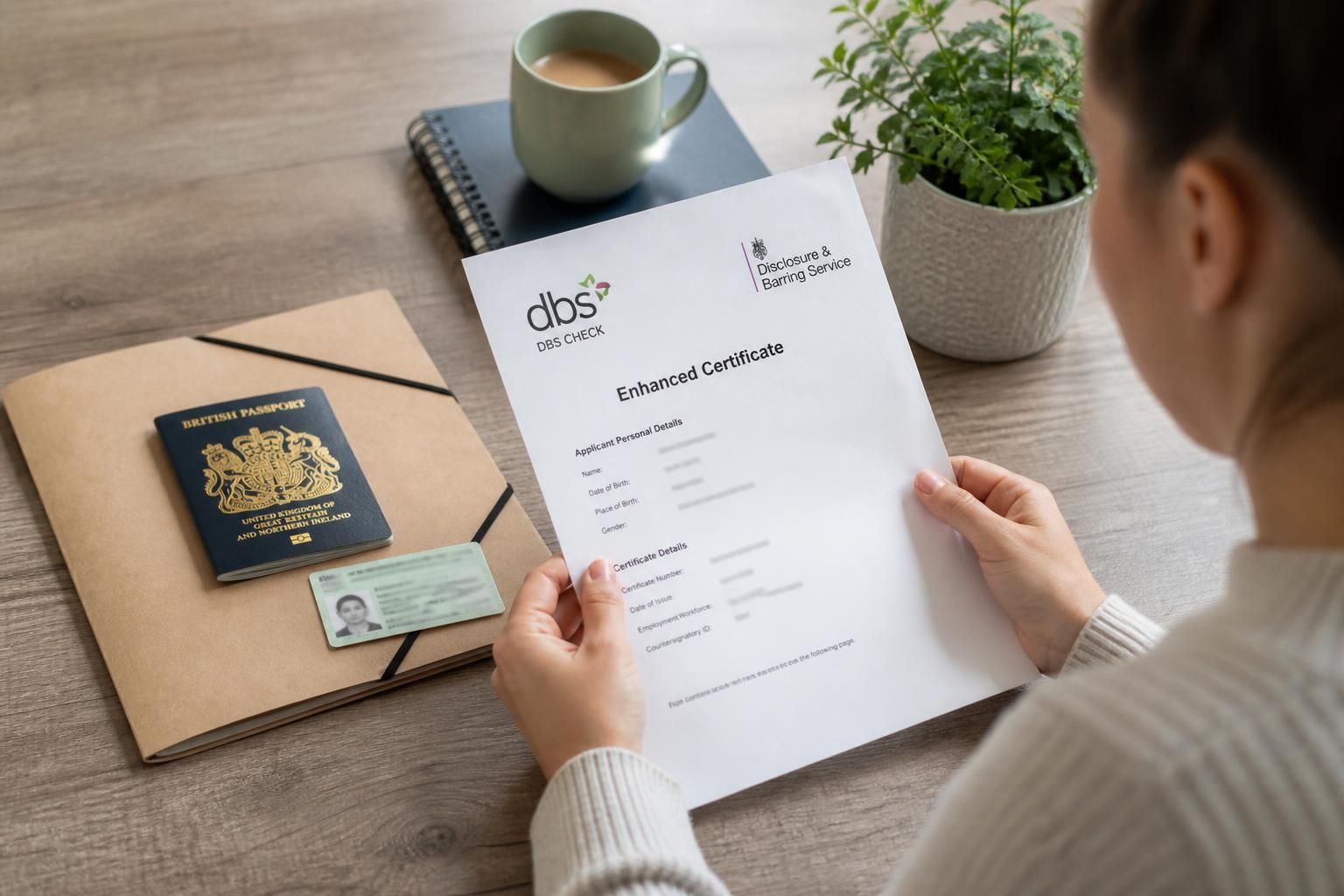
What is an enhanced DBS check for foster carers?
An enhanced DBS check for foster carers is a detailed criminal record check used to assess whether someone is suitable to care for children. It can include convictions, cautions, warnings and relevant information held by the police, and fostering applications usually involve checking the children’s barred list too.
Partnering with an
Ofsted Outstanding Provider
An enhanced DBS check is the safeguarding-level criminal record check used in fostering assessments. It helps the fostering service decide whether an applicant, and other relevant adults in the household, can provide a safe home for a child. The check informs the assessment; it does not make the approval decision on its own.
What an enhanced DBS check can show
- Relevant convictions and cautions recorded on the Police National Computer, subject to the rules on disclosure and filtering.
- Warnings, reprimands or other recordable information where the relevant disclosure rules allow it.
- Relevant information held by local police forces, if the chief officer considers it appropriate to disclose for safeguarding purposes.
- Information from a check of the children’s barred list, where the fostering role requires this separate barred-list check.
Some convictions and cautions are filtered and will not appear, while protected information cannot normally be disclosed. Applicants should answer questions on the fostering application honestly, even where they are unsure whether an older matter will appear on the certificate. The fostering service can explain what information is needed.
Who usually needs an enhanced DBS check?
The main applicant and any other person applying jointly will need checks. Adults aged 16 or over who live in the fostering household will also normally be checked, because they may have access to a child placed there. The fostering service will advise whether checks are needed for someone who stays regularly, has a significant role in the household or has frequent unsupervised contact with children.
Checks may also be required if the household changes after approval. For example, a new adult household member, a partner moving in or a young person reaching the relevant age may need to be assessed and checked before, or as part of, the change being agreed.
How the check fits into the fostering application
- The fostering service asks for the application and identity information needed to request the check.
- The applicant provides approved identity documents so their identity and current details can be verified.
- The application is submitted through the appropriate DBS process, including a barred-list check where required.
- The certificate is issued to the applicant, and the fostering service considers the disclosed information as part of the full fostering assessment.
An enhanced DBS check is not a substitute for other checks. The assessment can also consider references, health information, local authority enquiries and details about the applicant’s household, relationships and ability to safeguard children. These checks are considered together rather than in isolation.
Does a criminal record prevent someone from fostering?
Not automatically. The effect of a record depends on the circumstances and the information available. The fostering service may consider the type and seriousness of the offence, how long ago it happened, the applicant’s age at the time, whether there is a pattern of behaviour, the circumstances surrounding it and any evidence of change or rehabilitation. It will also consider whether the information creates a current safeguarding concern.
Some offences and circumstances can prevent approval, particularly where they involve serious harm to children or other offences specified in fostering legislation. A disclosed record should therefore be discussed fully with the fostering service rather than treated as an automatic acceptance or rejection. Failing to disclose relevant information can create a separate concern about honesty and safeguarding.
What if the certificate is inaccurate?
If an applicant believes the certificate contains incorrect personal details or inaccurate record information, they can raise a dispute through the DBS process. The fostering service should also be told, so that the assessment can take account of the dispute. The applicant may be asked to provide context or supporting information before the fostering assessment continues.
A DBS certificate is not a permanent approval document and it does not replace ongoing safeguarding responsibilities. Foster carers must tell their fostering service about relevant changes or concerns, including changes to household membership or circumstances. The service will explain its arrangements for reviewing or repeating checks in line with current requirements and its safeguarding procedures.
Our fostering teams can explain which household members need checking, which identity documents are accepted and how any disclosed information will be considered alongside the rest of the assessment.
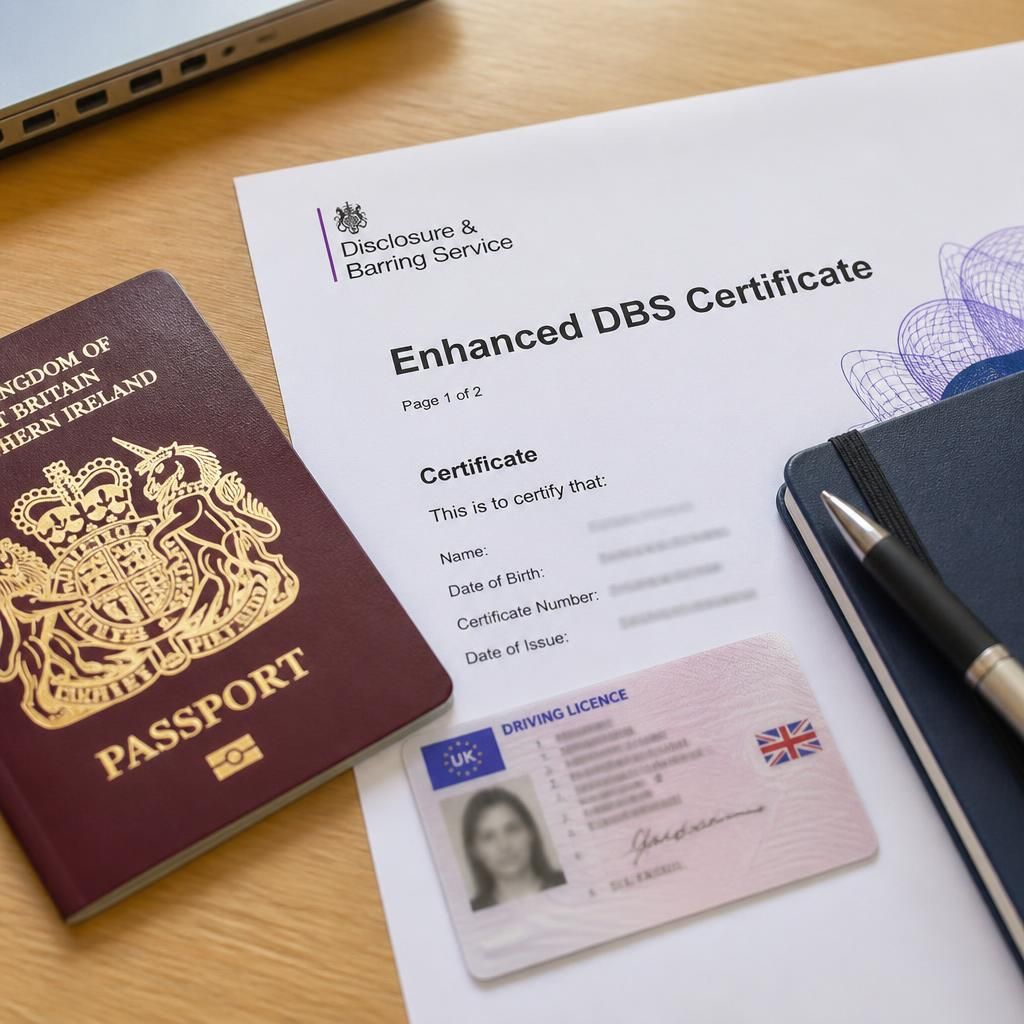
An enhanced DBS certificate contains sensitive personal information, so it should be handled securely throughout the fostering assessment. The fostering service should explain how it records, stores and uses information from the certificate, and access should be limited to people involved in assessing safeguarding suitability.
Applicants should keep their certificate safe and provide it only through the agreed process. A DBS check is one part of a confidential assessment, rather than information that needs to be shared publicly. If you are unsure how your certificate will be handled or who will see it, ask the fostering service before submitting it.
Discuss your enhanced DBS check with our fostering team
If you have questions about how an enhanced DBS check may apply to your circumstances, speak with our fostering team for clear guidance on the next steps in your assessment.