
Can I foster as a single person?
Yes, a single person can foster. You will need to show that you can provide a safe, stable and nurturing home, meet the fostering requirements and have suitable support around you when needed.
Partnering with an
Ofsted Outstanding Provider
Fostering approval is based on your ability to meet a child’s needs, rather than whether you are married, partnered or single. Single applicants are assessed against the same core standards as other applicants, including their health, safeguarding awareness, home environment, relationships, lifestyle and ability to work with professionals.
As a single foster carer, you would take primary responsibility for day-to-day care. This means considering how you would manage school routines, appointments, meetings, contact arrangements, activities and unexpected changes while maintaining consistency for the child. Your assessment will explore your practical plans, including how fostering would fit alongside employment, existing caring responsibilities and other commitments.
You do not need to have a partner to foster, but you should have dependable people around you. This might include relatives, close friends or other trusted adults who understand your fostering role and can provide appropriate practical or emotional support. They cannot replace your responsibilities as the foster carer, and any arrangements for help must be discussed during assessment to ensure they are safe and suitable.
Your support network may be particularly important when you need to attend training, meetings or appointments, or when a child’s needs affect your usual routines. The fostering service will help you think through realistic arrangements rather than expecting you to manage every situation without assistance. Any person who has a significant role in the child’s care may need to complete relevant checks or provide information as part of the assessment.
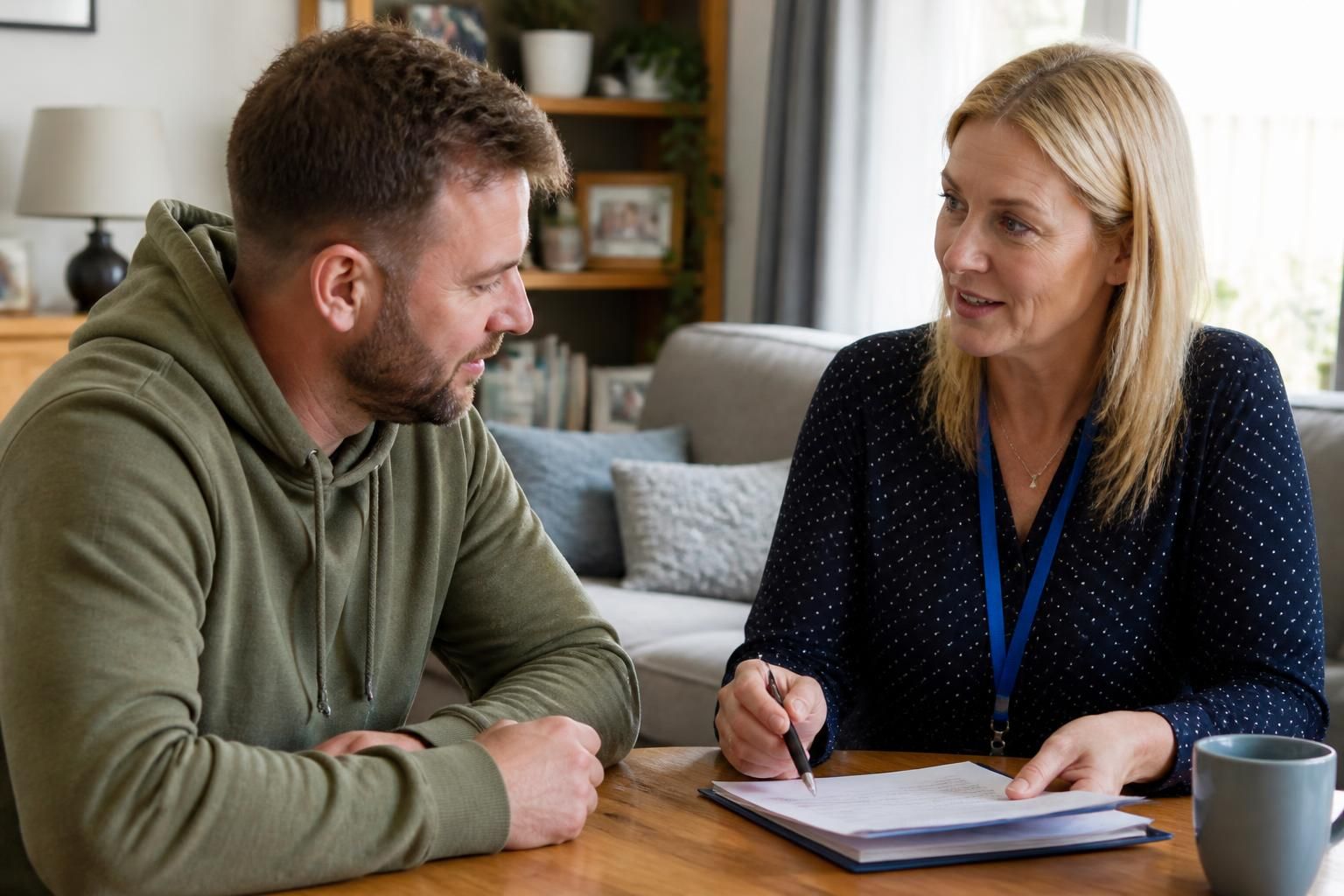
The application process for a single person generally includes:
- An initial discussion: You can ask questions about the role, the types of placements considered and how fostering may fit your circumstances.
- Information and preparation: You will learn about safeguarding, trauma, behaviour, safer caring, confidentiality and the impact fostering can have on household life.
- Checks and references: These help establish whether fostering would be safe and appropriate. They can include criminal record checks, health information, references and checks relating to other adults in your household or support network.
- A home assessment: The assessing social worker will consider your accommodation, available space, household arrangements and ability to provide a suitable environment.
- Assessment and approval: You will discuss your background, relationships, motivation, strengths and areas where you may need guidance. A fostering panel or approval decision-maker then considers the completed assessment.
Being single does not mean you must have previous childcare experience. Relevant qualities include patience, reliability, openness to learning, emotional resilience and the ability to communicate with children, social workers, schools and birth families. Your assessment should give you an opportunity to explain the experience and support you already have, as well as any areas in which you would benefit from further development.
Your personal relationships and lifestyle will also be considered. This is not intended to judge your decision to live alone; it is about understanding whether your circumstances are sufficiently stable and whether fostering can be integrated safely into your life. You should be prepared to discuss your health, finances, work, social activities and any changes that might affect your availability to care.
Training continues after approval. Foster carers receive guidance on the needs of the children they care for, safeguarding responsibilities, recording information, managing behaviour and working as part of a professional network. Ongoing supervision and support provide opportunities to review placements, raise concerns and consider additional help when circumstances change.
Foster carers also receive financial support to contribute towards the costs of caring for a child. The amount and arrangements depend on the fostering service, the child’s needs and the placement. It is important to discuss how this would work alongside your household income and any employment before applying.
If you are considering fostering alone, useful questions to ask include:
- Who could provide reliable support if I am unavailable or need help?
- How would I manage work, appointments and foster care responsibilities together?
- Is my home suitable for a child’s age and needs?
- How would fostering affect my existing relationships and routines?
- What training, supervision and practical support would be available?
- What arrangements would apply if a placement became more demanding than expected?
A single applicant can therefore progress through the same assessment route as any other prospective foster carer. The key issue is not your relationship status, but whether your circumstances, support arrangements and approach to care demonstrate that you can offer safe, consistent and child-focused care.

As a single foster carer, you will not be expected to accept every placement. Matching considers the child’s needs alongside your experience, household, daily commitments and ability to provide care safely. During discussions with the fostering service, be open about the ages, behaviours and levels of support you feel able to manage. It is appropriate to ask questions before agreeing to a placement, so you can make a realistic decision and provide consistent care.
Discuss fostering as a single person
If you are considering fostering as a single person, contact our team to discuss your circumstances and any questions before deciding whether to apply.