

Can I foster if I rent my home?
Yes, you can usually foster if you rent your home, provided you have permission from your landlord and the property can meet fostering requirements. Your home will be assessed for suitability, including safety, stability and whether there is appropriate space for a child or young person.
Partnering with an
Ofsted Outstanding Provider
The key issue for a renting household is whether the tenancy allows fostering and whether the property can provide a suitable, secure environment for a child or young person. Renting is not normally a barrier by itself, but you will need to demonstrate that you have the right to live in the property and can obtain the landlord’s consent where it is required.
Before applying, check your tenancy agreement for clauses about:
- using the property for purposes other than your own household’s residence;
- having additional household members or children living in the property;
- making safety changes or adaptations; and
- subletting or licensing part of the property.
Fostering does not usually mean that the child becomes a tenant or that you are subletting the home. However, landlords and housing providers may have their own policies, so written confirmation is important. If you rent from a council or housing association, ask the relevant housing team for its procedure. Do not rely only on a verbal agreement; keep any written permission with your application documents.
Your fostering assessment will consider how the home works in practice. This includes the available bedroom, privacy, household routines, access to bathroom and living areas, storage, and whether the layout is appropriate for the age and needs of the child. A child placed with you will generally need their own bedroom, although the exact requirements can depend on the child’s circumstances and the fostering arrangement. The assessing team will explain what is expected for the type of fostering you are considering.
The condition and safety of the property will also be considered. You may need to address matters such as secure doors and windows, safe storage for medicines or hazardous substances, fire safety, and suitable arrangements for visitors and other household members. You should not make alterations to a rented property before checking whether your landlord’s permission is needed. Many safety measures are straightforward, but any proposed change must be compatible with your tenancy.
Stability matters as well as physical space. If your tenancy is short-term, due to end soon, subject to possible repossession, or affected by uncertainty about your right to remain, this may need to be discussed during the assessment. It does not automatically mean that you cannot foster, but the agency will need to understand how a placement could be maintained safely and consistently.
As part of the application process, expect to discuss:
- your legal right to occupy the property;
- the landlord’s or housing provider’s written consent;
- who lives in the household and how everyone feels about fostering;
- the space available for a child or young person;
- any restrictions in the tenancy agreement; and
- how you would manage a move if the tenancy ended or your housing circumstances changed.
A home visit forms part of the assessment, alongside household checks, references, preparation training and other fostering checks. The purpose is not to judge whether your rented home is luxurious or large; it is to establish whether it is safe, stable, suitably arranged and able to meet the needs of a child. Tell your assessing team about any concerns early, including a landlord who is unsure about fostering or a possible move during the assessment.
If you move home after approval, you must inform your fostering provider before or as soon as possible around the move so that the new property can be assessed. A new landlord’s consent and updated safety checks may be needed before a child can be placed there. Keeping the provider informed helps prevent a housing change from creating problems for an existing placement.
Become a Foster Family can explain what evidence your circumstances require, help you understand the home assessment and guide you through the permission and approval stages. The decision will be based on your individual housing situation and whether the proposed home can meet fostering requirements.
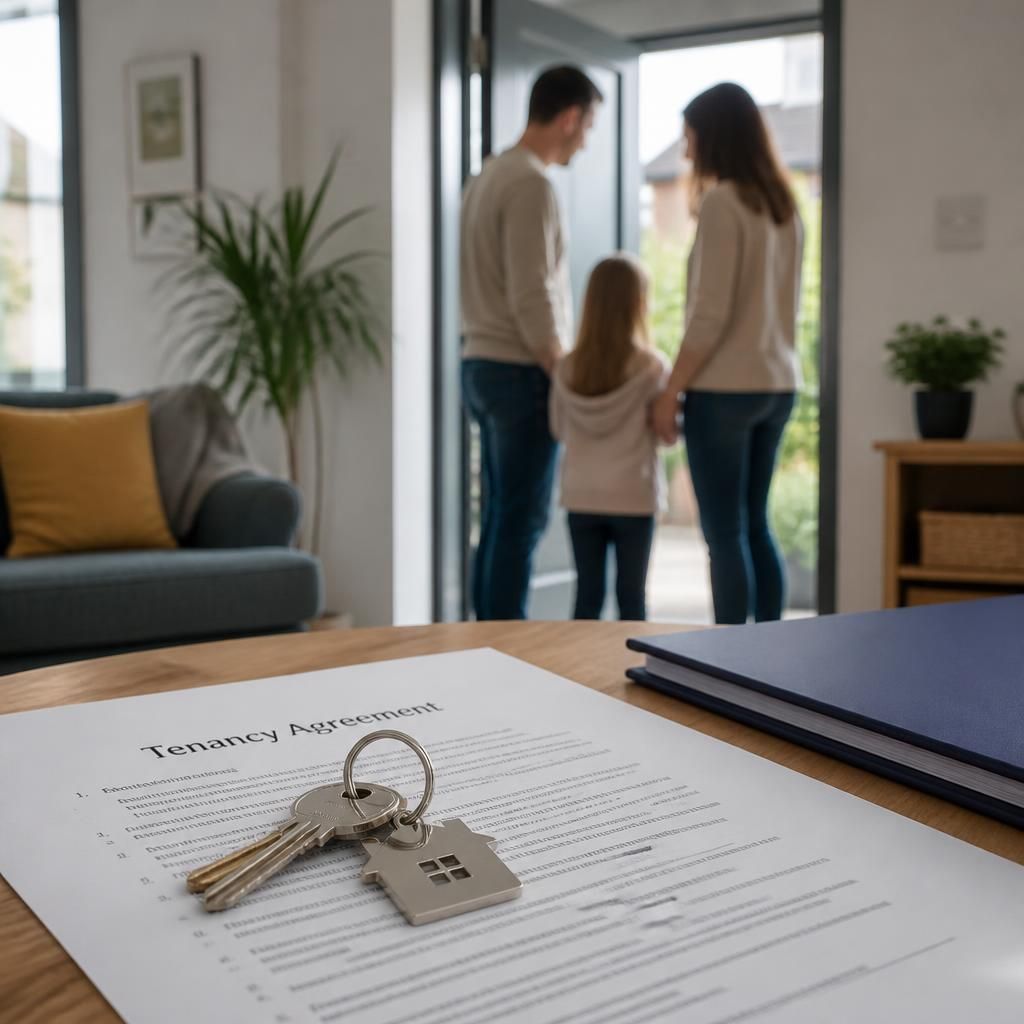
Landlord permission and fostering approval are separate decisions. Your landlord can confirm that fostering is allowed, but this does not replace the fostering provider’s assessment of your home, household and ability to meet a child’s needs. Equally, a suitable home assessment cannot override a tenancy restriction or housing provider’s refusal.
Keep these processes separate when planning your application: clarify the position with your landlord or housing provider, then provide the written evidence to your assessing team. This helps avoid delays caused by uncertainty about whether you are permitted to foster in the property.
Discuss your rented home and fostering application
Discuss your rented home with Become a Foster Family to understand the evidence and permissions needed for your fostering application. Our team can guide you through the next steps based on your individual circumstances.