

Can I become a foster carer if I am single?
Yes, you can become a foster carer if you are single. You will need to meet the fostering requirements, demonstrate that you can provide a safe, stable and nurturing home, and show that you have suitable support around you for the responsibilities of fostering.
Partnering with an
Ofsted Outstanding Provider
Being single does not prevent you from becoming a foster carer. Single applicants are assessed on their individual circumstances and their ability to meet the needs of a child, rather than on whether they have a partner. The assessment will consider your home life, health, relationships, practical arrangements, experience and the support available to you.
What is considered when you apply as a single foster carer?
The fostering assessment is designed to establish whether fostering is suitable for you and the children who may be placed with you. You can expect discussion about:
- your reasons for wanting to foster and your understanding of the role;
- your previous experience of caring for, working with or supporting children and young people;
- your ability to manage routines, appointments, school arrangements and unexpected changes;
- your emotional resilience and ability to respond consistently to behaviour and difficult experiences;
- your home, household members, pets and the space available for a foster child;
- your employment, finances and plans for balancing fostering with other responsibilities;
- your health and any adjustments or practical arrangements that may be needed; and
- your understanding of safeguarding, confidentiality, contact with birth families and working with professionals.
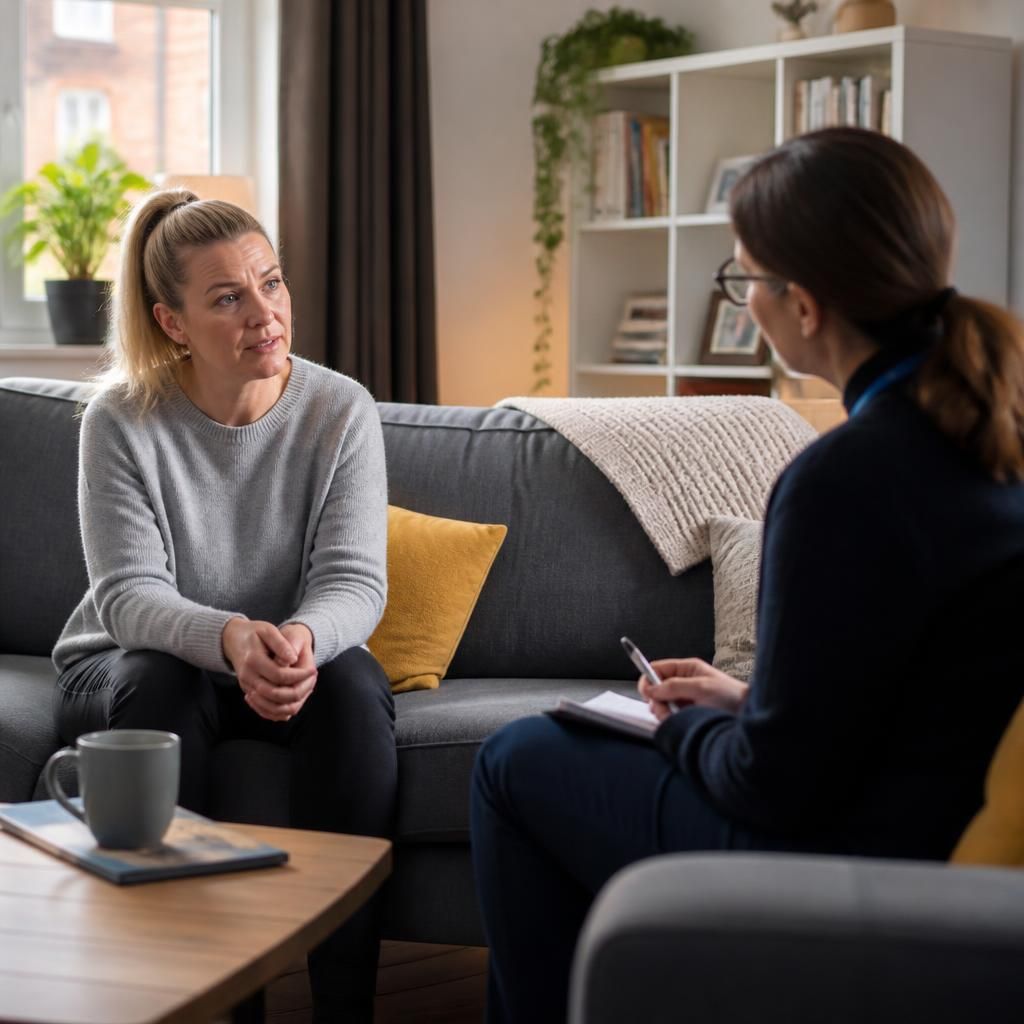
Being the only approved carer in the household does not mean you must manage every aspect of fostering without help. However, you remain responsible for the day-to-day care of a child placed with you. Your assessing social worker will therefore want to understand how you would manage when a child is unwell, distressed, has an appointment or needs additional supervision.
Do single foster carers need a support network?
A reliable support network is important for any foster carer, and it can be particularly relevant when you live alone. This might include relatives, friends, neighbours or other trusted adults who understand your responsibilities and can offer practical or emotional support. They cannot take over your fostering responsibilities, and anyone who has a regular caring role or spends significant time with a foster child may need appropriate checks and approval.
During your assessment, you may be asked who you would contact in different situations, how you would manage your own commitments and what arrangements could be made if you needed help. It is better to be open about the support you have and any gaps that may need addressing than to suggest that you can manage everything without assistance.
Can I foster if I work?
Some single foster carers work, while others change their working arrangements before or after approval. Whether your employment is compatible with fostering depends on the needs of the children you are approved to care for, your working pattern and the practical arrangements available. A child may need attendance at meetings, health appointments, school events or other services, so your assessing team will consider how these commitments could fit alongside your job.
There is no single working arrangement that suits every fostering household. You should discuss your hours, travel, leave arrangements and any flexibility with the fostering service at an early stage. This helps establish which types of placements might be realistic for you.
Does fostering alone affect the type of placement I can offer?
Your approval will be based on your skills, circumstances, household and the assessed needs of children. A fostering service may consider factors such as the child’s age, level of supervision required, bedroom arrangements, contact plans and whether another carer is needed in the home. Being single does not automatically exclude you from fostering a particular age group, but the matching process must take account of what you can safely and consistently provide.
Foster carers also work as part of a wider professional network. You may communicate with social workers, schools, health professionals and the child’s family, keep records and attend meetings. Training will help you understand these responsibilities, including safeguarding and caring for children who may have experienced trauma or disruption.
What happens during the application process?
After your initial enquiry, the fostering service will explain its requirements and discuss your circumstances. If you proceed, the process commonly includes background checks, references, health information, home visits, preparation training and a detailed assessment. The completed assessment is considered through the relevant approval process before a decision is made about your suitability and the terms of your approval.
You should also ask how foster carers are supported, what training is provided and how financial allowances are arranged. Allowances vary according to the fostering service and the child’s circumstances, so the relevant figures and conditions should be confirmed directly rather than assumed.
If you are considering fostering as a single person, the most useful first step is to discuss your circumstances honestly with Become a Foster Family. Its team can explain the assessment, training, financial support and ongoing assistance available across the West Midlands, including Birmingham, Worcestershire, Staffordshire, Dudley, Sandwell, Herefordshire, Telford, Wolverhampton, Shropshire, Walsall, Warwickshire, Stoke, Solihull, Coventry and Gloucestershire.
Being single does not usually mean you need to own your home to foster. The important considerations are whether your accommodation is stable, safe and suitable for a child, with appropriate sleeping arrangements and enough privacy. If you rent, check your tenancy agreement and establish whether permission is needed for fostering before progressing with an application.
Your fostering service will consider the practical suitability of your home as part of the assessment, alongside your individual circumstances. If you expect to move, renovate or change your living arrangements, explain this early so the potential effect on a child’s placement can be considered properly.
Discuss Becoming a Single Foster Carer
Arrange an initial conversation with Become a Foster Family to clarify any remaining questions and understand what you would need to prepare before applying as a single foster carer.