
Do I need a driving licence to qualify as a foster carer?
A driving licence is not always an essential requirement to become a foster carer, but you must show how you can safely manage transport for children in your care. During your assessment, your agency will consider your circumstances, access to suitable transport and how you would meet a child’s needs, including travel to school, appointments and contact arrangements.
Partnering with an
Ofsted Outstanding Provider
You do not usually need to hold a full driving licence to qualify as a foster carer. There is no general rule that every foster carer must drive. The assessment focuses on whether you can provide reliable, safe and practical transport for a child, either yourself or through suitable arrangements.
A driving licence may be relevant because fostering often involves regular journeys. These can include attending school, meeting with social workers and other professionals, taking part in activities, visiting health services and maintaining family contact. The importance of driving will depend on the child’s needs, where you live, the location of schools and services, and the transport options available to you.
If you do not drive, your assessing social worker will discuss how transport would work in practice. Possible arrangements may include:
- using reliable public transport where routes and timings are suitable;
- walking or cycling for appropriate local journeys;
- using a partner, relative or another agreed adult to provide transport;
- making planned use of taxis or other transport services; and
- combining different options, depending on the child’s age, needs and placement arrangements.
The arrangement must be dependable and appropriate for the child. It should not rely on uncertain lifts or leave a child unable to attend important appointments, education, activities or contact. You will also need to consider how transport would work when plans change, when a child needs additional support, or when more than one journey is required on the same day.
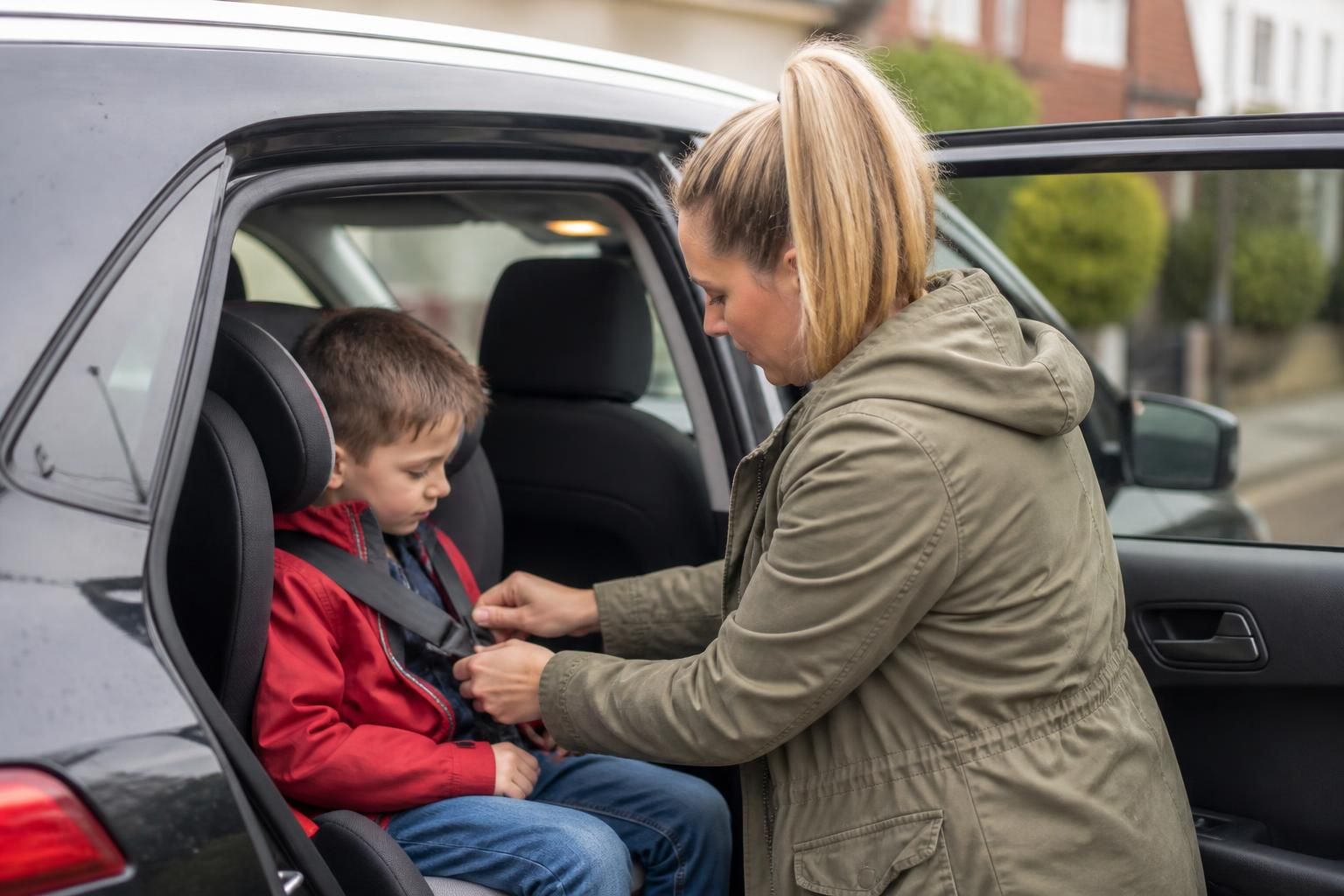
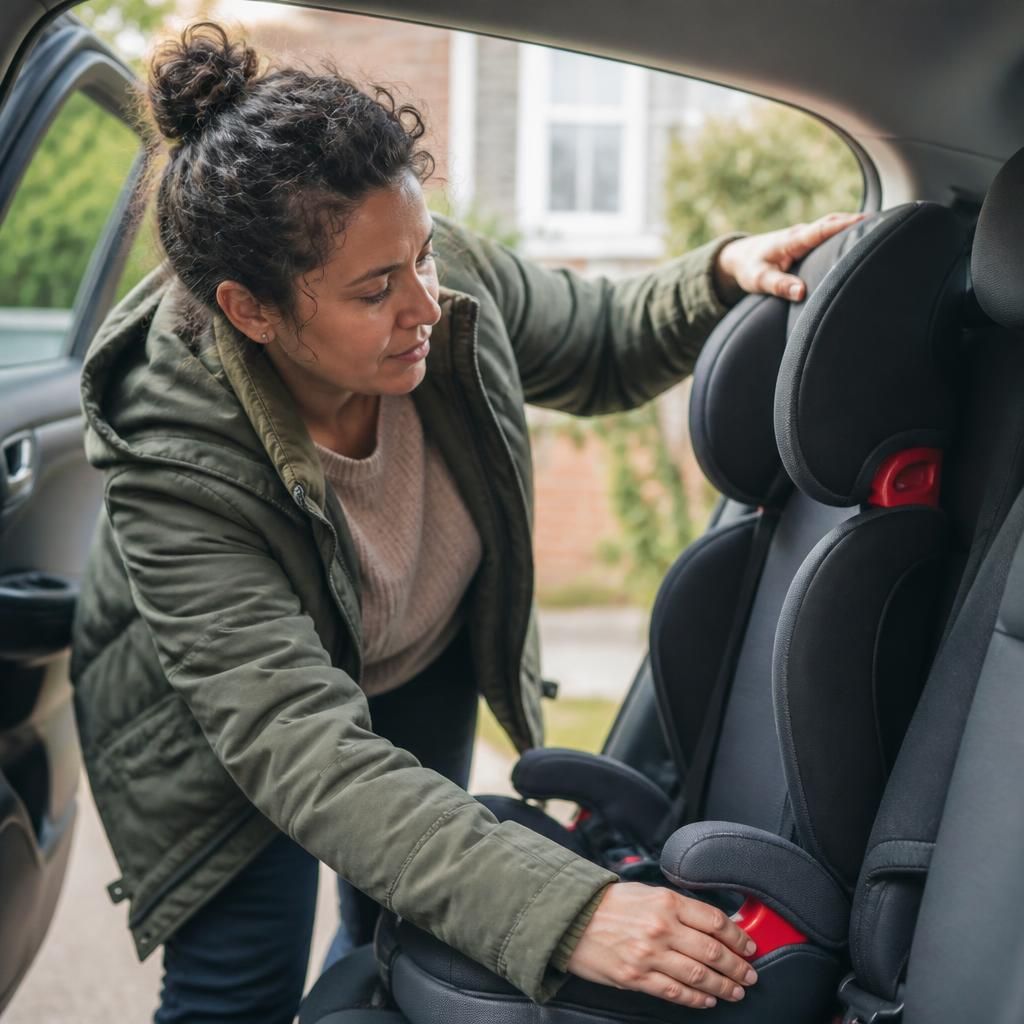
Having a licence does not automatically satisfy the transport part of an assessment. If you drive, the agency may need to establish that your vehicle is suitable for the children you may care for and that it is legally and safely maintained. You should be prepared to discuss matters such as appropriate seating, insurance and any arrangements for transporting children. The exact evidence requested can vary according to the fostering service and your circumstances.
There may also be restrictions on the type of driving licence you hold. For example, a provisional licence does not give the same driving permission as a full licence, so you should explain your position rather than assume it will be accepted. If another adult will regularly drive a child, their role and suitability should also be discussed with the fostering service.
Transport needs can influence the types of placements that are practical, but they do not necessarily prevent approval. A household without a driver may be better suited to placements where schools, services and activities are accessible locally. In other cases, a child’s appointments, mobility needs, contact arrangements or distance from education may make access to a car particularly important. The decision should be based on the specific needs you can safely meet, not simply on whether you possess a licence.
Be open about your transport arrangements from the beginning of your application. During assessment, explain whether you drive, who else can help, what public transport is available and how you would manage routine and unexpected journeys. The fostering service can then consider the arrangement properly and discuss whether any proposed placement is suitable for your household.
For tailored guidance, speak to the fostering team supporting your assessment. Become A Foster Family provides information and ongoing guidance across the West Midlands, including Birmingham, Worcestershire, Staffordshire, Dudley, Sandwell, Herefordshire, Telford, Wolverhampton, Shropshire, Walsall, Warwickshire, Stoke, Solihull, Coventry and Gloucestershire.
If your driving circumstances change after approval, tell your fostering service promptly. This includes a licence expiring, being suspended or revoked, receiving a medical restriction, or no longer having access to the vehicle you normally use. The service may need to review how transport will be managed for a child in placement.
The same applies if another adult regularly provides lifts and their circumstances change. Keeping the fostering service informed helps ensure that arrangements remain safe, lawful and suitable for the child’s needs.
Ask About Driving Licence Requirements for Fostering
If you are unsure whether your driving arrangements meet fostering requirements, contact Become A Foster Family to discuss your circumstances with the fostering team before you apply.