
Do I need a first aid qualification to become a foster carer?
You do not usually need to hold a first aid qualification before applying to become a foster carer. First aid training is generally included in the preparation and ongoing training provided by your fostering service, with the exact requirements explained during the assessment process.
Partnering with an
Ofsted Outstanding Provider
A first aid qualification is usually treated as part of your fostering preparation and training, rather than as a qualification you must already hold to begin the application. Your fostering service will explain which course is required, who in the household must complete it and when it must be renewed.
First aid training is important because foster carers may need to respond calmly to an injury, illness or emergency before medical help is available. The course may cover areas such as:
- assessing an emergency and contacting the appropriate emergency services;
- resuscitation and the use of an automated external defibrillator where included in the course;
- responding to choking, bleeding, burns, falls and suspected fractures;
- basic treatment for common childhood injuries and illnesses; and
- recording and reporting an incident appropriately.
The content should be relevant to the age, development and needs of children who may be placed with you. For example, caring for a baby may require particular attention to infant first aid, while caring for an older child with a medical condition may involve additional guidance from health professionals. A fostering service may therefore ask you to complete further training where a child’s assessed needs make this appropriate.
During the assessment process, your fostering service will consider practical arrangements within your household. This can include whether the main foster carers have completed the required course, whether another adult regularly provides care, and whether everyone understands what to do in an emergency. You should tell the assessing social worker about any existing first aid certificate, relevant employment training or health-related experience. It may contribute to your training plan, although it may not automatically replace the course required by the service.
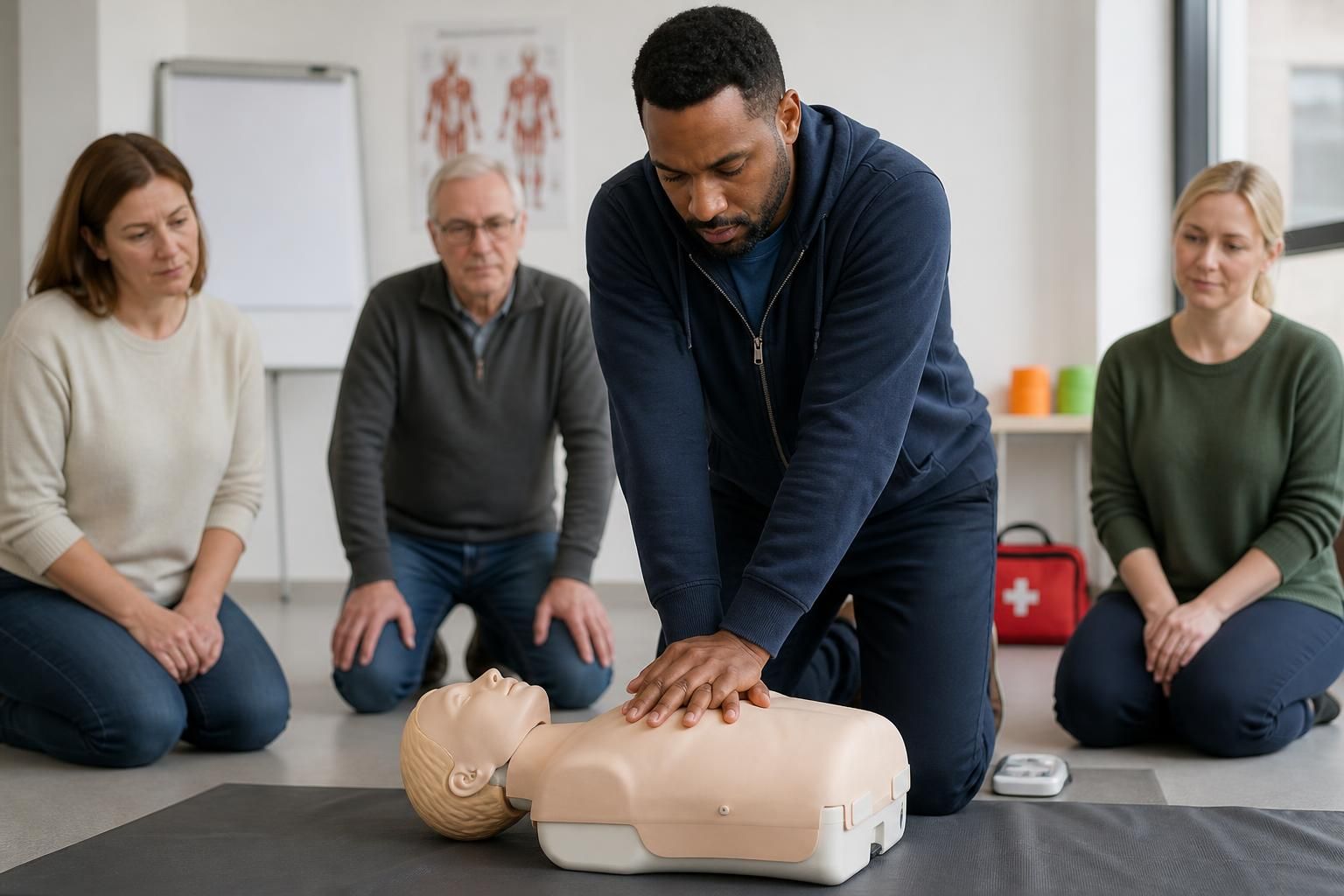
First aid training is normally delivered as a practical course rather than relying only on online learning. You may need to demonstrate skills such as CPR or recovery positioning, so check with the fostering service before assuming that an existing online certificate will be accepted. The service will also keep a record of completed training and advise you when refresher training or an updated certificate is needed.
Holding a first aid qualification does not mean that you are expected to diagnose illnesses or provide treatment beyond your competence. Foster carers should follow the service’s procedures, seek appropriate medical advice and contact emergency services when necessary. You will also receive information about safer caring, medication, recording injuries and sharing relevant information with the child’s social worker.
If you have not completed first aid training, this should not normally prevent you from making an initial enquiry or starting an application. It is more likely to form part of the preparation and approval requirements. Ask the fostering service:
- which first aid course it accepts;
- whether the training must be completed before approval or within a specified period afterwards;
- which adults in your household need to attend;
- whether your current certificate can be considered; and
- how often refresher training is required.
The precise requirements can differ between fostering services and may change according to the type of placement being considered. Your assessing social worker or training team can confirm the current position and include first aid in your individual development plan.
A standard first aid course may not cover every situation relevant to a particular foster placement. If a child has additional health needs, the fostering service may arrange extra instruction linked to their care plan before or soon after the placement begins. This could include guidance from a health professional on managing a prescribed treatment, recognising warning signs or responding to an established medical condition.
This additional preparation is separate from the general first aid training completed by foster carers. It gives you information specific to the child, while the first aid course provides broader emergency skills. Ask how any placement-specific health training will be provided and recorded as part of the child’s care arrangements.
Ask about first aid training for foster carers
Contact Become A Foster Family to discuss how first aid training fits into your fostering application and how your existing experience may be considered.