
What home requirements must foster carers meet?
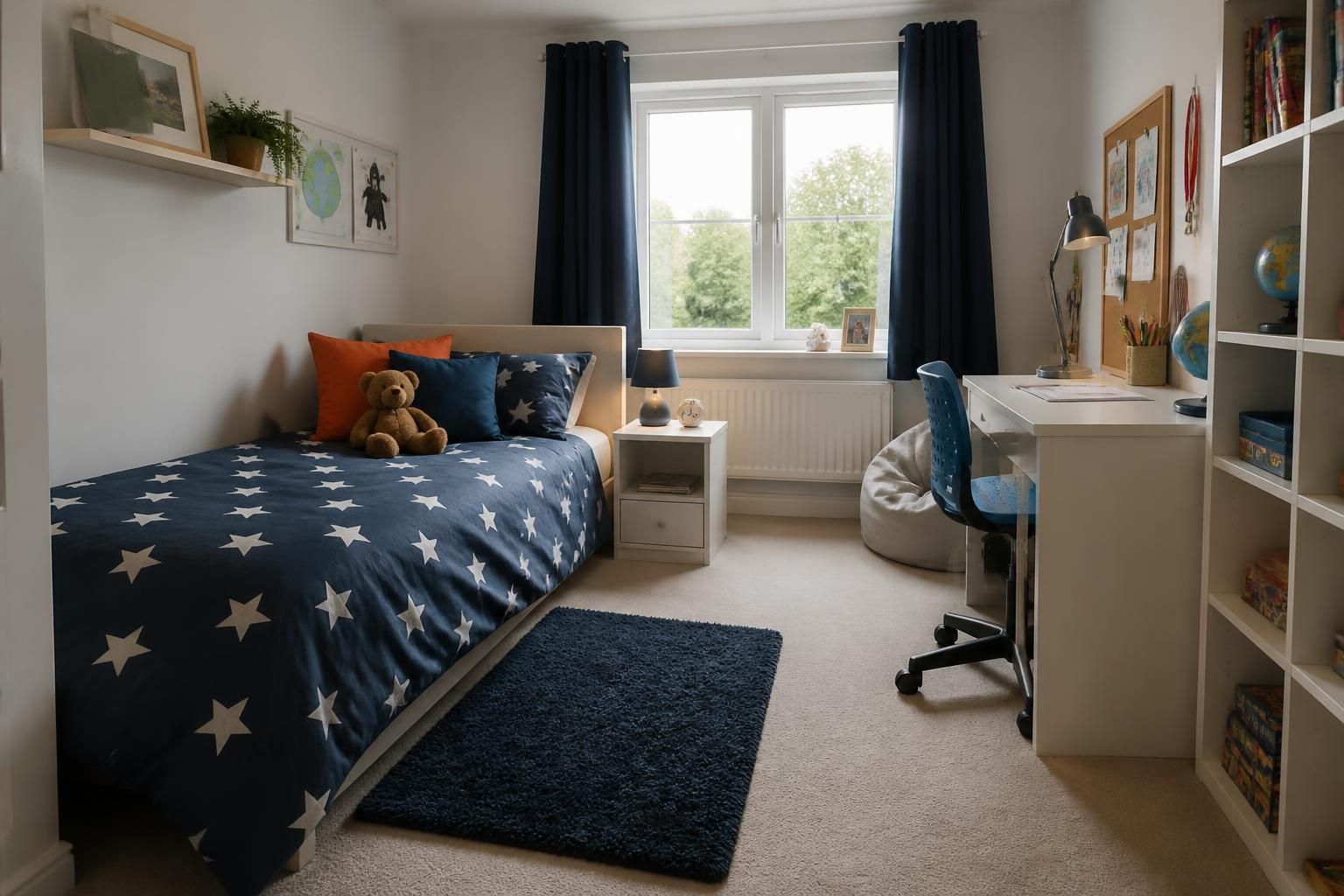
Foster carers usually need to provide a child with their own bedroom, along with enough space for their belongings and everyday activities. The home must be safe, clean and suitable for the child’s age and needs, and it will be assessed as part of the fostering application.
Partnering with an
Ofsted Outstanding Provider
Foster carer home requirements focus on whether the accommodation can provide a stable, private and well-managed environment for a child. The property does not need to be large, newly built or owned by you, but it must be suitable for the child you are being assessed to care for and meet relevant health, safety and space standards.
The type of property
People can foster from many types of accommodation, including houses, flats and rented properties. Owning your home is not usually a requirement. If you rent, you will need to check your tenancy agreement and obtain any required permission from your landlord. The same applies if your accommodation is subject to restrictions from a housing provider, mortgage lender or other agreement.
A flat is not automatically unsuitable, although the assessment may consider access, stairs, communal areas, lifts, outdoor space and how easily the child could enter and leave the property. A garden can be useful but is not generally the only measure of whether a home is appropriate. The important question is whether the property works safely and practically for the child’s age, development and circumstances.
Safety within the home
Assessors will look at ordinary household risks and how they are controlled. This can include:
- working smoke alarms and suitable fire safety arrangements;
- clear escape routes and safe access to doors, windows and stairs;
- secure storage for medicines, cleaning products, alcohol, tools and other hazardous items;
- safe storage of knives, weapons or other items that could cause harm;
- electrical, gas, heating and water systems that are properly maintained;
- secure windows, doors, balconies, ponds, swimming pools and other potential hazards;
- appropriate arrangements for pets and any animals kept at the property; and
- reasonable cleanliness, maintenance and repair throughout the accommodation.
The assessment is not intended to demand a perfect or unusually expensive home. It is about identifying risks, deciding how they can be reduced and confirming that the arrangement will protect everyone in the household.
Privacy and household arrangements
The home needs to support the child’s privacy and dignity. Assessors may consider how sleeping arrangements work alongside the needs of foster children, birth children, other household members and visitors. They will also discuss who lives at or regularly visits the property, including partners, adult children, lodgers and frequent overnight guests.
Household members will need to understand the impact of fostering and agree to the proposed arrangements. This can include considering noise, routines, supervision, use of shared rooms, boundaries and how confidential information about the child will be protected. A room or area used by a foster child should not be treated as a general storage space or regularly repurposed in a way that makes the placement impractical.
Suitability for the child
Home requirements can depend on the type of fostering being considered. A home for a young child may need safe stair gates, secure furniture and suitable arrangements for personal care. Older children and teenagers may need greater privacy, space for study, access to transport and the ability to manage some everyday tasks independently. A child with disabilities, medical needs or sensory needs may require adaptations, specialist equipment or improved access.
Fostering services will consider whether the accommodation can meet those needs rather than applying a single standard to every household. They may also consider the number of children already living in the home, their ages and relationships, and whether bringing another child into the household could create safeguarding or practical concerns.
Location and practical access
The property’s location can form part of the assessment. Relevant factors may include access to education, health appointments, transport, family contact arrangements and local services. This does not mean a home must be in a particular type of neighbourhood, but the location should allow the proposed fostering arrangement to work safely and consistently.
How the home is assessed
A fostering assessor will normally visit the property and discuss the accommodation with you. You may be asked for information about the household, tenancy or ownership, fire precautions and any planned adaptations. The assessor will identify strengths and possible concerns, explain what needs to change and record whether the home is suitable for the type and number of placements being considered.
Some improvements may be straightforward, such as fitting additional safety equipment, securing hazardous items or reorganising a room. Other issues may need further advice or a specialist assessment before approval can be recommended. It is best to raise concerns early, including plans to move house, upcoming building work or changes in the household, so that the fostering assessment reflects the home that would actually be used.
Ultimately, the decision is based on the accommodation as a whole: its safety, stability, privacy, condition, location and ability to meet an individual child’s needs. If you are unsure whether your current home could be suitable, discuss its specific features with the fostering service before making changes or ruling yourself out.
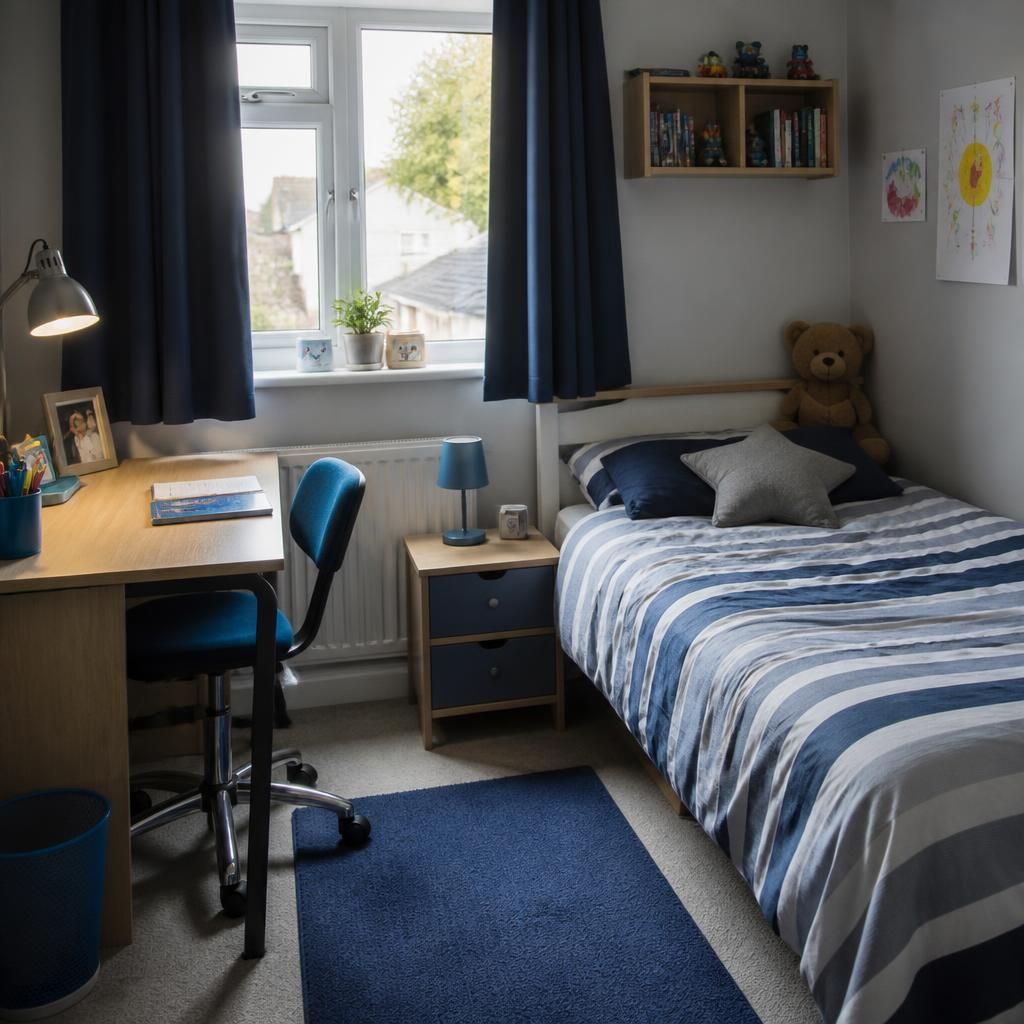
Home requirements are also considered in relation to how a child will experience the space, not just whether the property meets basic safety standards. A fostering assessment may explore whether the child can keep personal belongings secure, follow familiar routines and have their culture, identity and individual preferences respected within the household.
This can affect practical decisions about room layout, storage, furnishings and shared areas. For example, a child may need space for specialist equipment, school materials, comfort items or possessions that help them feel settled. Discuss these considerations with your assessor so that the proposed arrangements reflect the needs of the children you may be approved to foster.
Discuss your home requirements
Have questions about whether your home could be suitable for fostering? Discuss your circumstances with our fostering team to understand the next steps in your assessment.