

Is there a minimum age to become a foster carer?
Yes. In the UK, you must be at least 21 years old to become a foster carer. There is no upper age limit, but you must demonstrate that you can meet the needs of children and young people throughout the assessment process.
Partnering with an
Ofsted Outstanding Provider
The minimum age to apply to become a foster carer is 21. This applies whether you are applying as a single carer or as part of a couple. Reaching this age does not automatically mean you will be approved: the fostering assessment considers whether you can provide safe, stable and appropriate care for children and young people.
There is no fixed upper age limit for fostering. Older applicants can be considered, provided they are physically and emotionally able to meet the needs of the children referred to them. The assessment will look at your health, energy levels, lifestyle, support network and the types of placements that may be suitable. Age may therefore affect the matching and approval process, but it is not by itself a reason to exclude someone.
Someone who has recently turned 21 can apply, although the assessment will consider their wider experience and readiness for fostering. You do not need to have children of your own, but you will need to show that you understand the responsibilities involved and can respond appropriately to children who may have experienced loss, trauma or disruption.
As part of the assessment, your fostering service will usually consider:
- your reasons for wanting to foster and your understanding of the role;
- your ability to provide consistent routines, boundaries and emotional support;
- your health and whether it allows you to care safely for a child;
- your home, household arrangements and the space available;
- your relationships and the support available to you;
- your background, including the required checks and references; and
- your ability to complete preparation training and work with the fostering service and other professionals.
If you are applying with a partner, both adults in the household will be considered during the assessment, even if only one person is intending to become the approved foster carer. This is because fostering affects the whole household and everyone living in or regularly visiting the home may be involved in maintaining a safe environment.
The process normally begins with an initial discussion, followed by an application, preparation training, checks and a full assessment. The assessment is not based on age alone. It is designed to establish which age range, needs and types of placement you may be able to support safely. Your assessing social worker can explain how your circumstances and experience relate to the approval decision.
If you are under 21, you cannot be approved as a foster carer yet, but you can use the time before applying to build relevant experience, learn about child development and consider the practical demands of fostering. If you are over 21 and unsure whether your age or health could affect your eligibility, it is sensible to discuss your circumstances with a fostering service before applying.
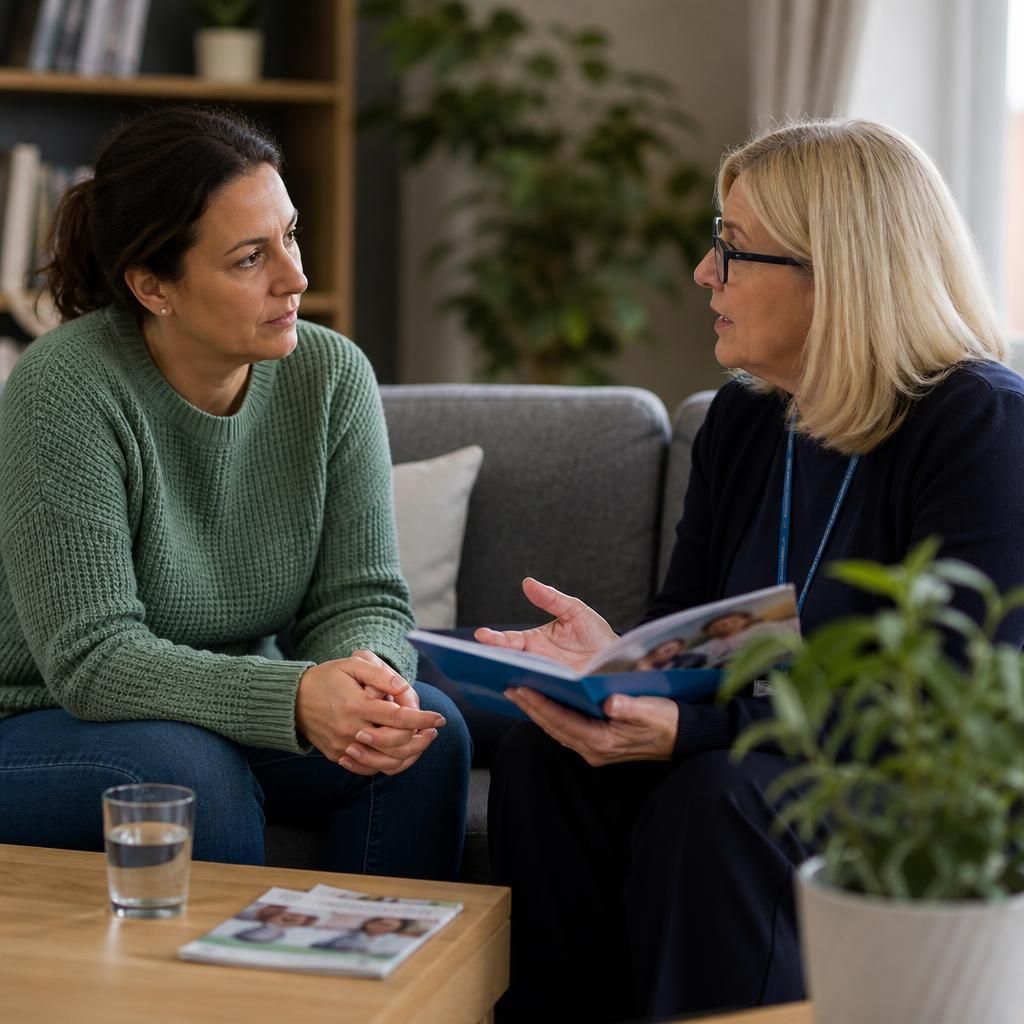
The minimum age applies to the person seeking approval as a foster carer, rather than automatically applying to every member of their household. If you apply with a partner, both applicants must meet the age requirement. Other adults or young people living in, or regularly visiting, the home will still be considered as part of the household assessment, including their relationships, needs and ability to support a safe fostering environment.
This distinction is useful for households with a wider age range. The age of another household member does not by itself decide whether you can foster, but the fostering service will consider how the household works in practice and whether a proposed placement would be suitable for everyone involved.
Check your eligibility to become a foster carer
Contact Become a Foster Family to discuss your circumstances, eligibility and the next steps in the fostering assessment.