
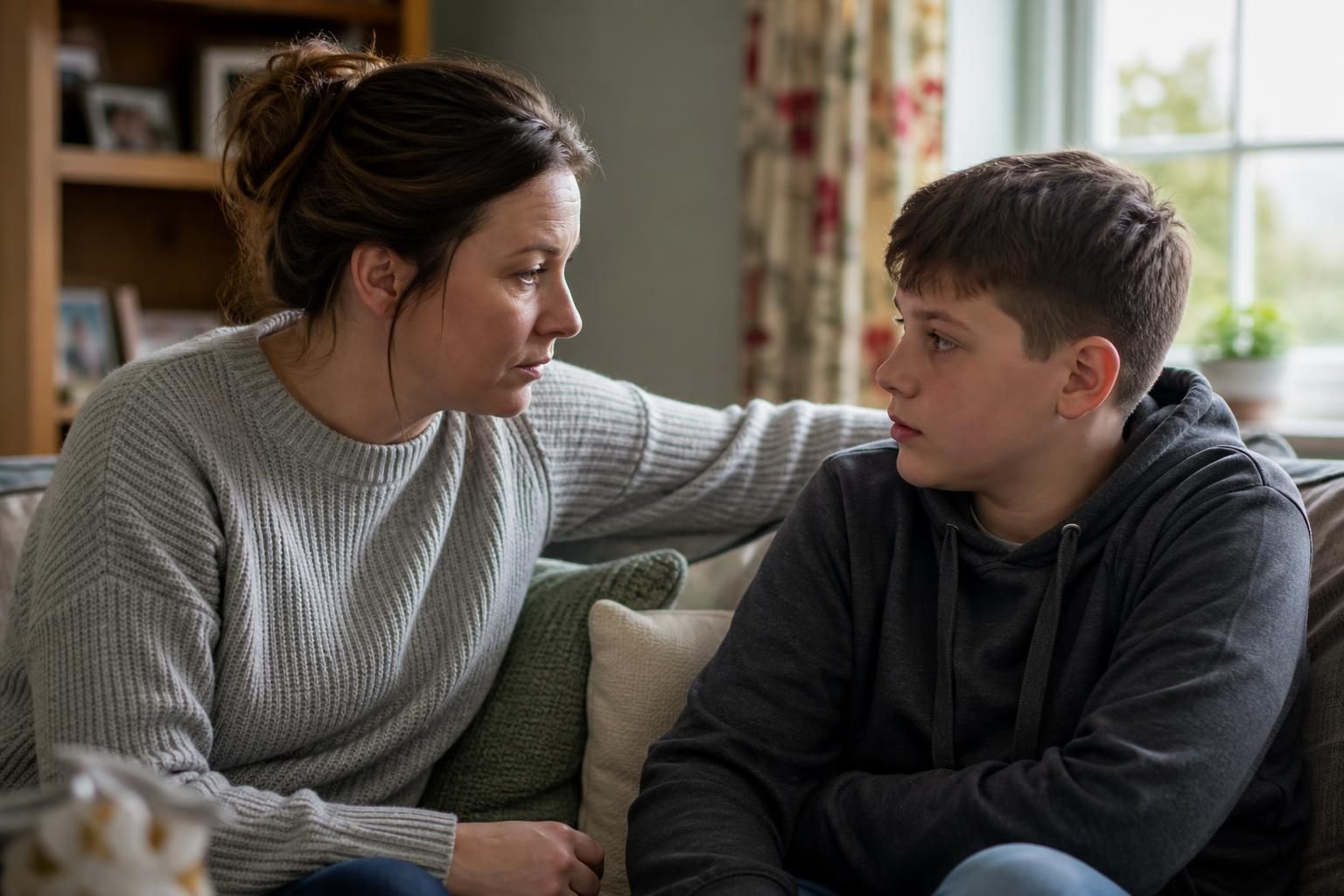
Can attachment training help explain a child’s reactions to family contact?
Yes. Attachment training can help foster carers understand how family contact may trigger feelings of anxiety, loyalty, loss or uncertainty, which can affect a child’s behaviour before or after visits.
It encourages carers to look beyond the immediate reaction, respond calmly and provide consistent reassurance while recognising the importance of the child’s relationships with their family.
Partnering with an
Ofsted Outstanding Provider
Attachment training can help foster carers interpret reactions to family contact as possible expressions of a child’s relational experiences, rather than treating them as deliberate misbehaviour. It provides a framework for considering how changes in caregivers, separation, inconsistent care or difficult past experiences may influence the way a child approaches, avoids or tests relationships during the contact process.
It is not a diagnostic tool, and it cannot explain every reaction. A child’s response may also be affected by the content of a visit, the relationship with family members, worries about what will happen afterwards, tiredness, sensory needs, developmental stage or information they have not been able to express. Attachment-informed practice therefore involves forming careful hypotheses, not reaching conclusions based on one incident.
Training may help carers recognise patterns such as:
- becoming unusually quiet, withdrawn or watchful before a visit;
- appearing highly excited or unsettled afterwards;
- seeking intense reassurance, rejecting comfort or moving quickly between these responses;
- directing anger towards the foster carer after contact, despite having seemed settled beforehand; or
- using play, questions or challenging behaviour to communicate confusion about family relationships.
These behaviours should be understood in the context of the individual child. For example, rejecting a carer after contact does not necessarily mean that the child no longer trusts them. It may indicate difficulty managing competing feelings, a need to regain a sense of control or uncertainty about whether the carer will remain available. Equally, a child who appears unaffected may still need support and may communicate distress in less obvious ways.
Attachment training can also inform practical preparation. Foster carers may work with the child’s social worker and the contact arrangements to identify what helps before and after visits. This could include keeping routines predictable, explaining the plan in language the child understands, allowing time to settle, offering food or quiet activities, and avoiding demanding conversations immediately afterwards. The approach should be adapted to the child’s age, communication style, cultural identity and care plan.
After contact, carers can acknowledge the child’s feelings without asking them to choose between adults. Neutral comments such as “It looks as though that was a lot to take in” may create space for communication without criticising the child’s family or pressing for details. Carers should avoid questioning the child repeatedly, making assumptions about what happened, or presenting themselves as a replacement for the child’s parents or relatives.
Good records can help distinguish an isolated incident from a recurring pattern. A carer might note the child’s presentation before and after contact, what support was offered, what appeared to help and any concerns raised by the child. Records should remain factual and avoid labels or speculation. Sharing relevant observations with the supervising social worker and the child’s social worker can support reviews of contact arrangements and identify whether further assessment or specialist help is needed.
Attachment-informed understanding must not be used to excuse behaviour that creates a safeguarding concern or to overlook the child’s wishes. Any disclosure, injury, significant change in presentation or concern about the safety or quality of contact should be reported through the agreed safeguarding and care-planning procedures. Training is most useful when combined with professional supervision, the child’s care plan and a clear understanding of the legal arrangements for contact.

Attachment training can help foster carers understand that a child’s behaviour during family contact is not a reliable measure of how much they love, trust or want to see a family member. A child may appear distant, affectionate, angry or indifferent for reasons connected with anxiety, divided loyalties or uncertainty, rather than a simple preference for one adult.
This perspective can prevent carers from treating contact as a test of the child’s relationships. For example, a child who asks to leave may still value the relationship, while a child who appears eager to attend may later struggle with difficult feelings. Attachment-informed care allows these apparently conflicting responses to be held together without asking the child to justify or choose between important people.
Training can also help carers discuss these observations appropriately with the professionals involved in the child’s care. The aim is not to decide whether contact is successful from the child’s behaviour alone, but to contribute a balanced understanding of how the child experiences contact and what adjustments or additional support may need consideration.
Explore attachment training for foster carers
Explore attachment training for foster carers to understand what it covers and how it can support your day-to-day care.