
Is attachment training required for foster carer approval?
Attachment training is not usually a separate legal requirement for foster carer approval, but it may form part of an agency’s required preparation or assessment training. Understanding attachment can help you demonstrate that you can respond appropriately to children’s emotional and behavioural needs, alongside meeting the other approval requirements.
Partnering with an
Ofsted Outstanding Provider
You may be asked to complete attachment training as part of your fostering agency’s preparation and assessment pathway. Approval is based on your wider suitability to foster, including your ability to understand children’s experiences, manage behaviour safely, work with professionals and provide consistent care. Attachment training is one way of developing and demonstrating that understanding.
Why agencies include attachment training
Children who need foster care may have experienced separation, neglect, abuse, disrupted relationships or several moves. These experiences can affect how they trust adults, express distress and respond to boundaries. Attachment training helps prospective foster carers consider the reasons behind a child’s behaviour rather than viewing it only as defiance or disobedience.
The training may cover:
- how secure and insecure attachment patterns can develop;
- the effect of loss, trauma and disrupted caregiving relationships;
- how children may test adults or struggle to accept comfort;
- ways to build trust through predictable, sensitive care;
- how to respond when a child becomes withdrawn, controlling, anxious or angry; and
- the importance of working with the child’s social worker, school, therapeutic services and birth family where appropriate.
How it relates to the approval assessment
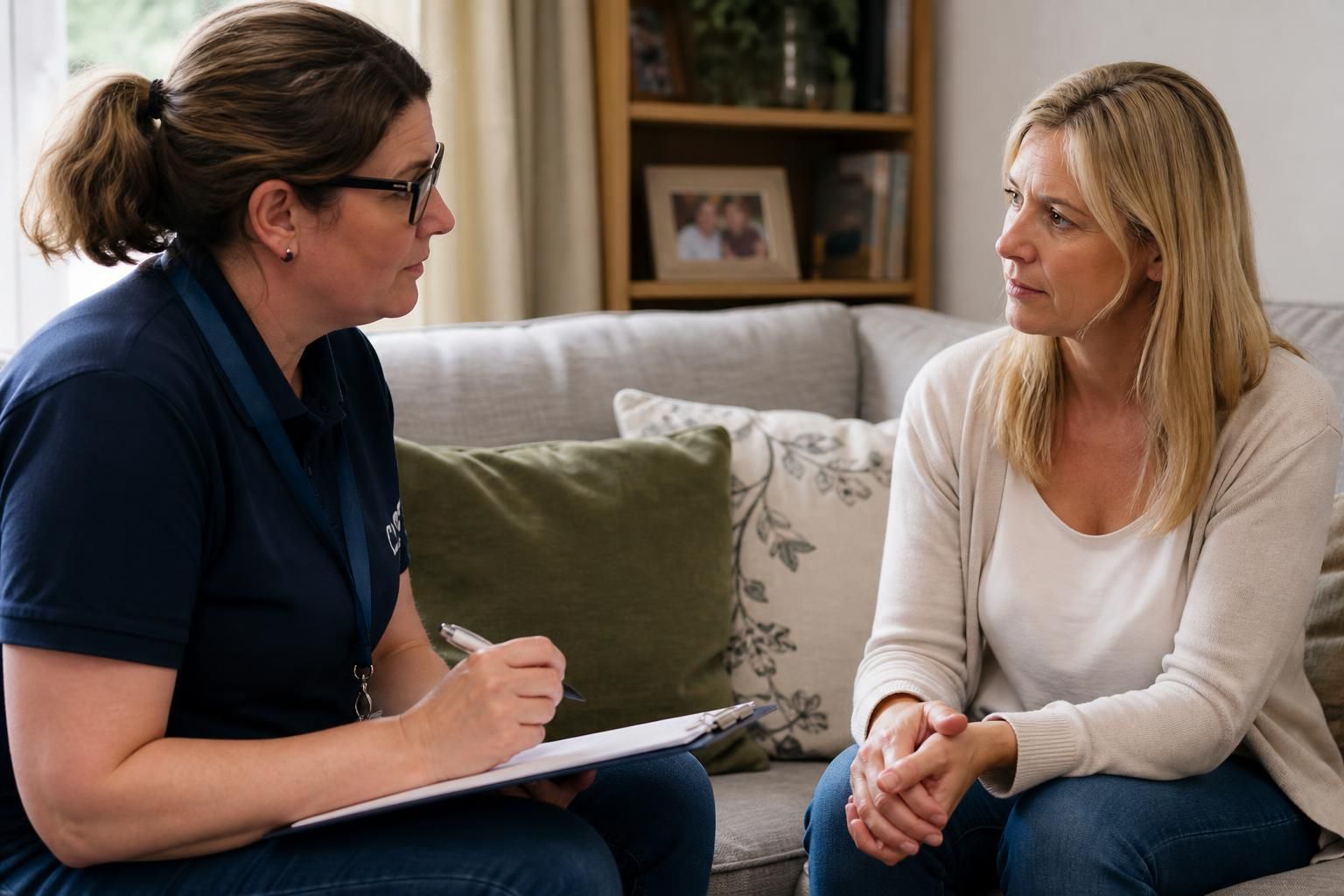
Your assessing social worker will consider whether you can apply learning to everyday situations. You may be asked to discuss how you would respond if a child rejected affection, concealed food, damaged property, became distressed during a transition or repeatedly challenged household expectations. The purpose is not to test whether you can recall technical terms. It is to explore your judgement, patience, self-awareness and willingness to seek advice.
Completion of a course does not by itself lead to approval. The agency will also consider safeguarding checks, health information, references, household circumstances, financial stability, relationships, accommodation and your ability to work as part of a professional network. Any other adults in the household may also need to understand how fostering could affect family life and the child’s care.
Could an application continue without it?
That depends on the fostering service’s procedure and on where you are in the application process. Some agencies include attachment within their initial preparation programme; others provide it as a separate session or as part of a wider course on child development, trauma and therapeutic care. If it is listed as a required element, you may need to complete it before the agency can make a recommendation about your suitability.
If you cannot attend a required session or do not understand why it has been included, raise this with your assessing social worker. They can explain whether the session can be rearranged, whether alternative learning is available, and how it will be considered alongside the rest of your assessment. A difficulty with one topic should be discussed openly rather than ignored, because honest communication is an important part of working with a fostering agency.
Attachment training after approval
Learning about attachment does not end when a fostering application is approved. A child’s needs may change as their history becomes clearer, or a placement may raise questions that were not covered during preparation. Foster carers may therefore receive further training, supervision, consultation or placement-specific guidance. This can help them review what is happening, adapt their approach and recognise when additional professional support is needed.
When comparing fostering agencies, ask whether attachment is included in pre-approval training, how learning is applied during assessment, and what support is available afterwards. You can also ask how the agency distinguishes attachment-informed care from simply using rewards, sanctions or behaviour-management techniques. Clear answers will help you understand what will be expected before approval and how the subject fits into your continuing development as a foster carer.

Attachment training is generally intended to develop practical understanding, not to act as a stand-alone test for approval. You may be expected to take part in discussions, consider case examples and reflect on how your own responses could affect a child who has experienced disrupted care.
This means preparation is more useful when you approach it actively. Make notes about situations you find difficult, ask how attachment-informed care applies to everyday routines, and consider how you would respond without taking a child’s behaviour personally. If a topic raises concerns about your confidence or circumstances, discuss it with your assessing social worker so it can be considered properly during the assessment.
Ask About Attachment Training and Foster Carer Approval
Speak with our fostering team to clarify how attachment training fits into your approval pathway and what you should expect before applying.