
Does foster care training include practical first aid?
Yes. Foster care training commonly includes practical first aid, with guidance and hands-on practice for responding to injuries, illness, choking and other emergencies involving children or young people. The exact content and any required refresher training can vary between fostering services.
Partnering with an
Ofsted Outstanding Provider
Practical first aid forms part of the preparation many fostering services provide, alongside the wider knowledge needed to care safely for children and young people. It is usually taught through a combination of explanation, demonstration and supervised practice, so applicants can learn both what to do and how to respond calmly in a real situation.
Training may cover:
- assessing whether a situation is urgent and making the area safe;
- checking a child or young person and recognising signs that require medical attention;
- resuscitation and the use of an automated external defibrillator where this is included in the course;
- responding to choking, bleeding, burns, wounds, fractures and suspected head injuries;
- managing illnesses such as fever, breathing difficulties, allergic reactions or seizures;
- placing someone in the recovery position when appropriate; and
- contacting emergency services and giving clear, relevant information about what has happened.
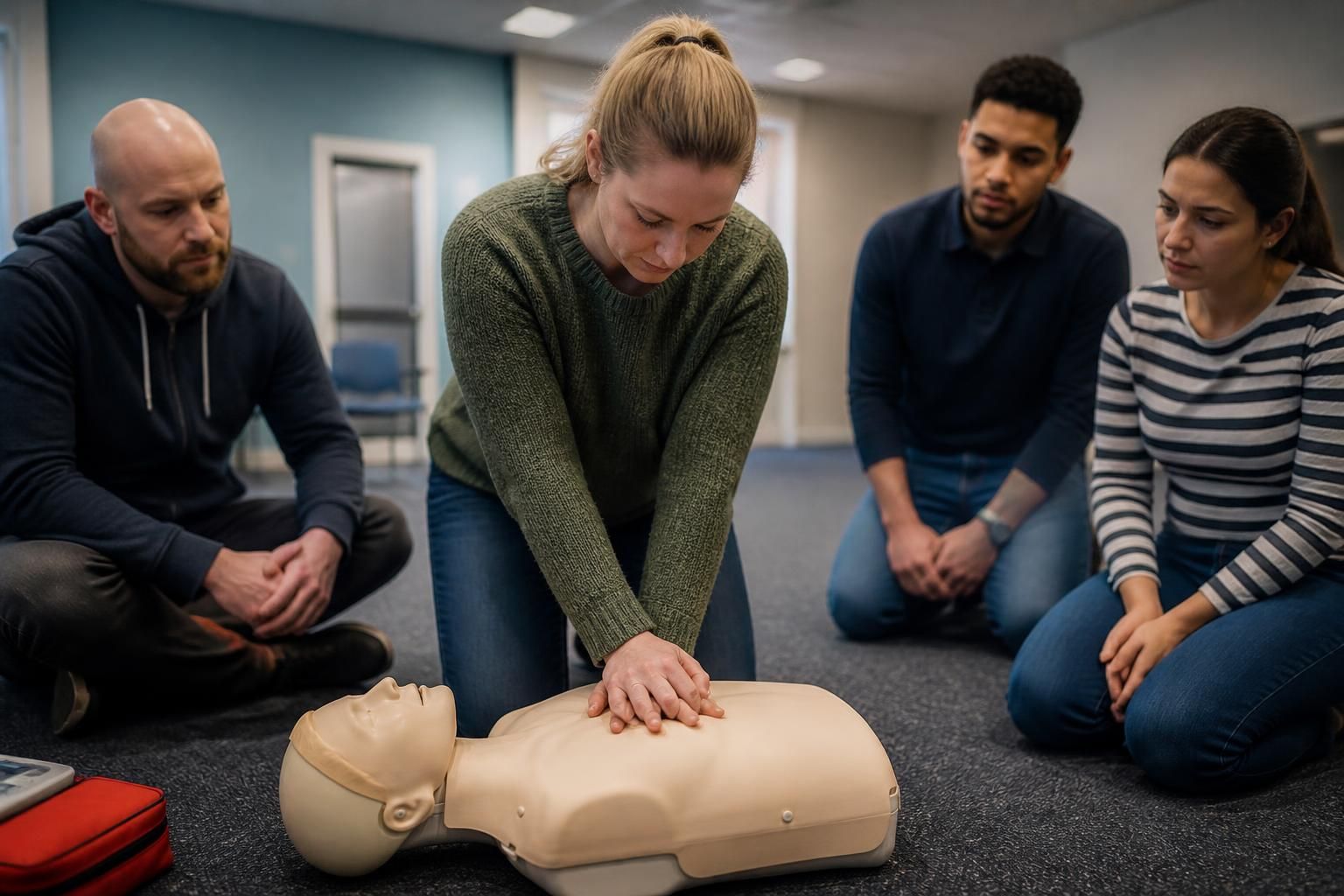
Practical exercises commonly use training manikins, bandages and other first-aid equipment. A trainer may ask participants to demonstrate a technique, talk through their decision-making or respond to a short scenario. This helps identify whether the learner can apply the guidance safely rather than simply recall information from a workbook or presentation.
The course may have a child-focused or paediatric element because children’s needs can differ according to their age, size, development and medical history. Foster carers may also need to understand how to follow an individual child’s health plan, administer prescribed medication in line with instructions, and recognise when a child’s usual behaviour or condition has changed. Medication training is not the same as first-aid training, so additional instruction may be arranged where a child has a particular health need.
First aid is only one part of the wider preparation for fostering. Carers also learn about safeguarding, safer caring, recording incidents, confidentiality and working with social workers, health professionals and the child’s family. In an emergency, first aid does not replace professional medical advice. The carer must follow the fostering service’s procedures, seek appropriate help and report the incident to the relevant people.
Applicants should ask the fostering service how its course is delivered and what practical demonstration is required. Useful questions include whether attendance is in person, whether any learning is completed online before the practical session, how competence is assessed, and when refresher training is due. Requirements can differ between services and may be adapted if a child in placement has specific medical, developmental or accessibility needs.
After approval, foster carers are expected to keep their knowledge current. Refresher training may revisit essential skills, introduce updated guidance and address lessons from incidents or changes in a child’s care plan. Keeping a suitable first-aid kit at home, knowing the local emergency process and storing important medical information securely can also support safe day-to-day care.
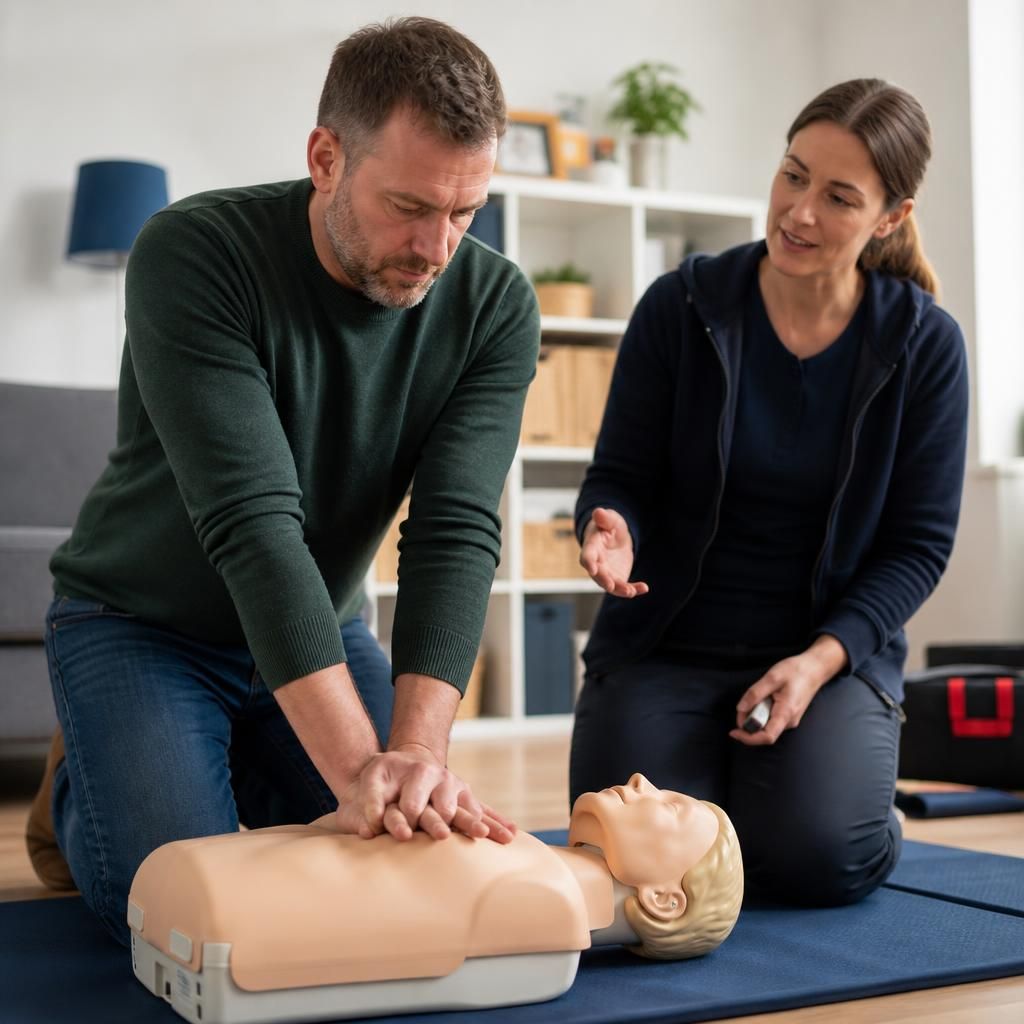
Practical first-aid training is designed to show that a foster carer can make safe decisions in an emergency, not simply repeat information from a course. The trainer may observe how an applicant prioritises actions, communicates what has happened and follows instructions when a situation changes.
This practical focus is particularly relevant to fostering because carers may need to respond appropriately while also reassuring a child, protecting their privacy and following the child’s agreed care arrangements. Any concerns identified during training can be discussed with the fostering service, which may explain further learning or support needed before a carer takes responsibility for a placement.
Ask about practical first-aid training
If you are considering fostering, speak to our team about the training requirements and the next steps in your application.