
What training is needed to become a foster parent?
To become a foster parent, you complete pre-approval training covering safeguarding, child development, attachment, managing behaviour, safe care and working with families and professionals. After approval, ongoing training helps you develop the practical knowledge and skills needed to meet the individual needs of children in your care.
Partnering with an
Ofsted Outstanding Provider
Foster parent training is a structured programme of preparation and continuing professional development that helps applicants understand the responsibilities of fostering and apply safe, consistent care in everyday situations. The exact content depends on the fostering service, the type of fostering being considered and the needs of the children who may be placed with you.
Before approval , applicants usually complete an introductory preparation course alongside the assessment process. This gives you the opportunity to explore what fostering involves before making a final commitment. It commonly covers:
- the role and responsibilities of a foster carer;
- how fostering affects household routines, relationships and privacy;
- the importance of recording information accurately and sharing relevant concerns;
- professional boundaries, confidentiality and appropriate communication;
- equality, identity, culture, religion and individual needs;
- how to contribute to plans, reviews and decisions about a child;
- health and safety responsibilities within the home;
- how to respond to allegations, complaints or other serious concerns; and
- the support available from the fostering service and wider professional network.
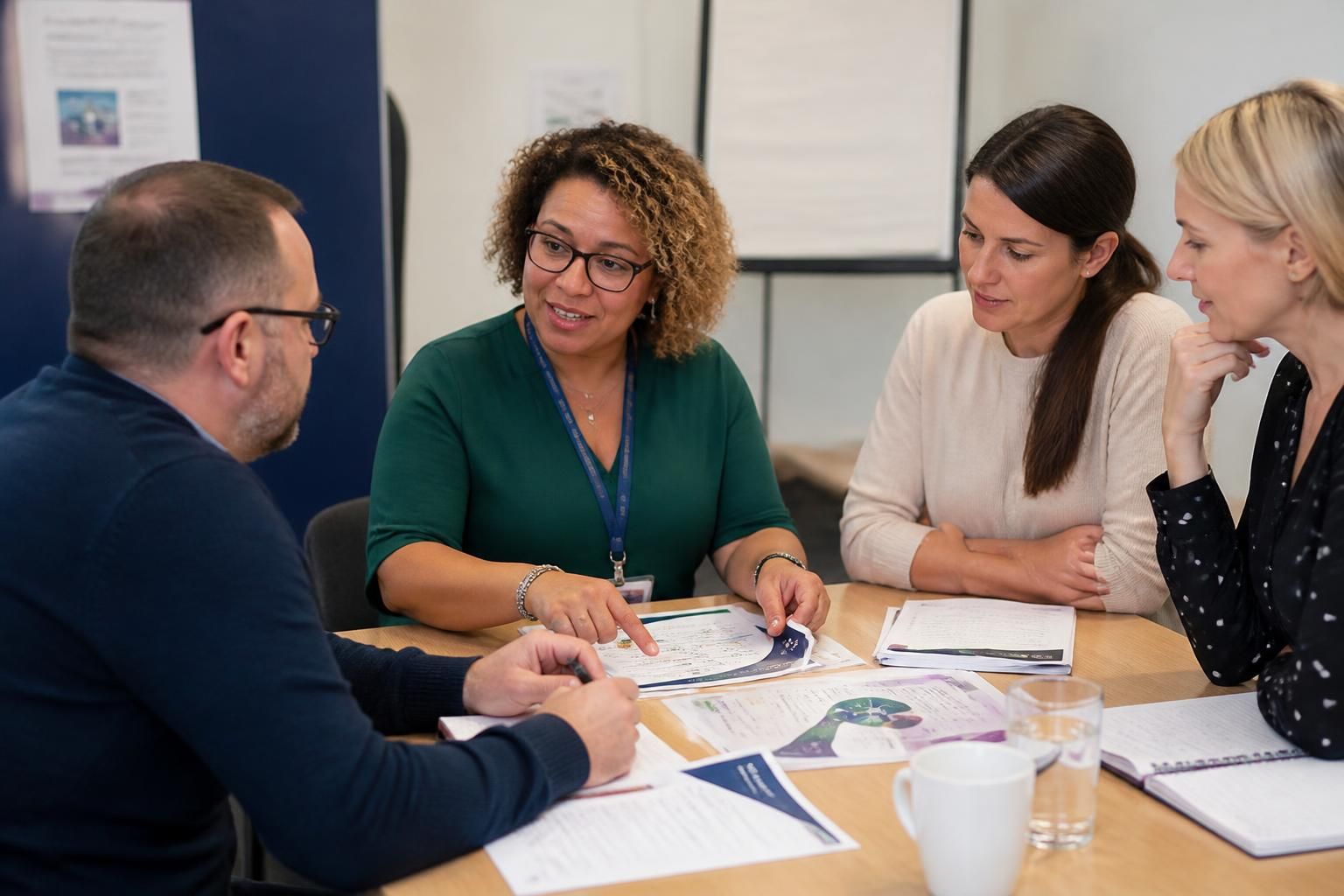
The training is generally delivered through a mixture of discussion, exercises, case studies and practical scenarios. You may be asked to consider how you would respond to situations such as a child refusing a routine, sharing sensitive information, struggling with a transition or needing help to feel secure in an unfamiliar home. These activities are designed to develop judgement and self-awareness rather than test whether you already know everything.
Applicants are not normally expected to hold a specific childcare qualification before applying. Training is intended to build on your existing life experience and help you identify the skills you may need to develop. Your fostering assessment will consider how you learn, reflect on advice and work with others, as well as the experience you bring from family life, employment, volunteering or other relevant responsibilities.
Some training is tailored to the type of fostering placement. For example, caring for teenagers, siblings, children with additional health needs or children who need a more specialist placement may require further preparation. This could include understanding a child’s communication needs, supporting contact arrangements, managing medication safely where appropriate, or working with education, health and social care professionals. You should receive information about any additional learning needed before a placement begins.
After approval, training continues. Foster carers normally complete required learning identified by their fostering service and take part in reviews of their development. This may include updates to essential knowledge, learning linked to a particular child’s circumstances and broader development that helps you improve your practice. Training can be provided through group sessions, individual discussions, online learning, written resources or supervised practical activities, depending on the subject.
Training is only one part of becoming a foster parent. You will also receive guidance during the assessment, preparation for individual placements and ongoing support from your fostering service. Before applying, ask which courses are compulsory, how learning is delivered, whether attendance can be combined with work and family responsibilities, and how your development will be reviewed after approval.

Pre-approval training is also an opportunity to decide whether fostering is suitable for your household. Pay attention to how the course explains the impact on your existing relationships, routines, privacy and personal boundaries, rather than focusing only on caring for a child. You should have the opportunity to ask questions, discuss concerns and consider how you would manage the responsibilities involved before progressing with your application.
Good preparation should leave you with a realistic understanding of both the demands and the support involved. It is reasonable to ask the fostering service what happens if you need more guidance on a particular subject, how concerns are discussed during assessment and how learning is connected to the type of placement you may be considered for.
Learn more about training to become a foster parent
If you would like to understand how training fits into your fostering application, speak to our team about your circumstances and the next steps.