
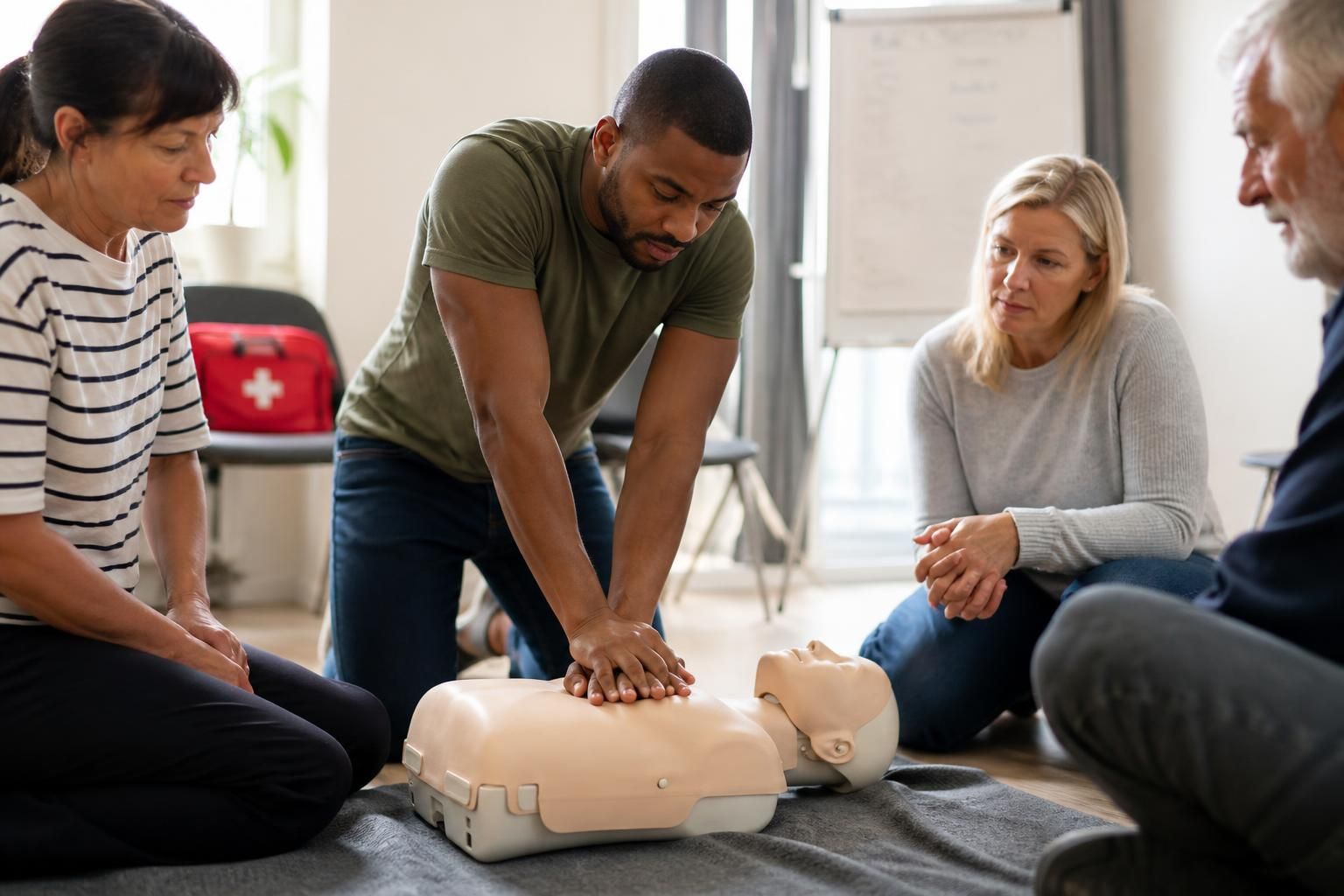
Is first aid included in foster carer training?
Yes. First aid is normally included in foster carer training, covering practical responses to common injuries, illness, choking and emergencies, although the exact course content and any separate certification requirements vary between fostering services.
Partnering with an
Ofsted Outstanding Provider
First-aid training forms part of the preparation most fostering applicants complete before approval. It gives prospective carers the knowledge and practical skills to respond safely, seek appropriate medical help and record what has happened. The precise syllabus, assessment method and certificate arrangements are set by the fostering service and training provider.
Training commonly covers:
- initially assessing a situation and deciding what action to take;
- basic life support and the use of resuscitation techniques;
- how to respond when a child is unconscious or having difficulty breathing;
- managing bleeding, burns, fractures and other everyday injuries;
- recognising when a child may need urgent medical attention;
- appropriate infection-control and hygiene measures; and
- reporting and recording an incident in line with the fostering service’s procedures.
The content may be adapted to the ages, needs and circumstances of children placed with you. For example, a service may include guidance relevant to babies, older children, children with disabilities or young people with particular health needs. This does not mean that foster carers are expected to diagnose conditions or provide treatment beyond their training. The emphasis is on keeping the child as safe as possible, following instructions and contacting the appropriate emergency or health professional.
Is it a separate first-aid qualification? Not always. Some fostering services deliver first aid within a wider preparatory course, while others arrange a standalone session or require a recognised certificate. A course may include practical demonstrations or an assessment, so it is important to check whether successful completion leads to certification and how long that certification remains valid.
First aid is only one part of health-related preparation. You may also receive separate guidance on administering medication, storing medicines securely, obtaining consent, maintaining health records and following delegated instructions from health professionals. First-aid training does not automatically authorise a carer to administer every type of medication or undertake clinical care.
When does it take place? The timing depends on the fostering assessment and training programme. It may be completed before approval, with additional or updated training after approval where the needs of a child or the requirements of the fostering service make this necessary. Foster carers should keep their knowledge current and attend any refresher course requested by their service, particularly when a certificate has an expiry date or procedures have changed.
Before attending, ask the fostering team:
- whether first aid is included in the core preparation programme or booked separately;
- which age groups and situations the session covers;
- whether there is a practical assessment;
- whether the course provides a formal certificate;
- how often refresher training is required; and
- what procedure to follow if a child is injured or becomes unwell.
Training cannot cover every possible situation. Foster carers must still follow emergency guidance, contact emergency services when necessary, notify the fostering service and complete the required records. Your local fostering team can explain how first-aid training fits into the wider approval process and what additional preparation may be needed for a child’s individual health requirements.
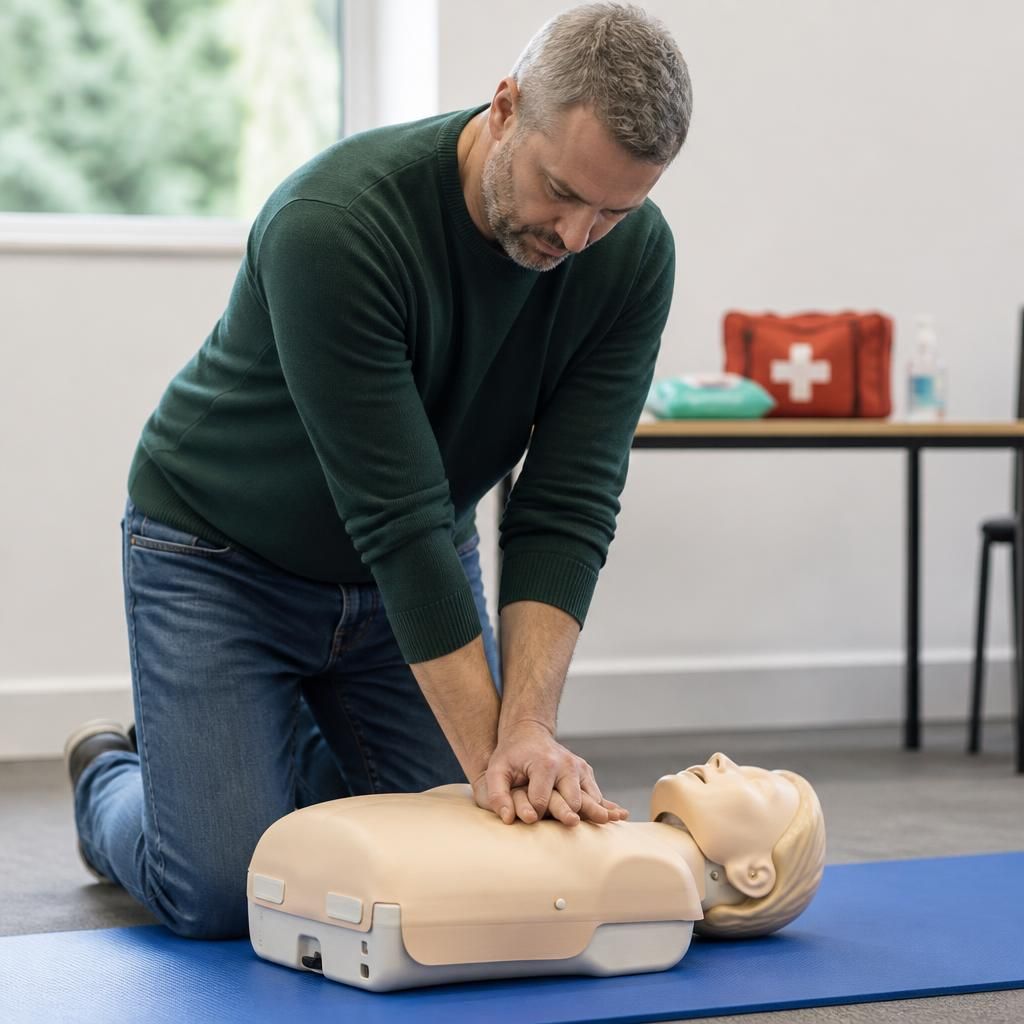
First-aid training for foster carers usually includes hands-on practice, not just written information. You may be asked to work through realistic scenarios, demonstrate basic life-support techniques and explain the decisions you would make in an emergency. This practical element helps the trainer identify whether you can apply the guidance safely rather than simply recall it.
If you have a disability, health condition or learning need that could affect practical participation, discuss this with the fostering team before the session. They can explain the course requirements and consider appropriate adjustments, while still ensuring that you can meet the essential first-aid responsibilities involved in caring for a child.
Ask About First Aid in Foster Carer Training
If you are considering fostering, contact Become A Foster Family to discuss your circumstances and find out how to take the next step towards applying.