
Can I foster if I rent my home?
Yes, you can foster if you rent your home, provided you have your landlord’s permission and the property is stable, safe and suitable for a child or young person. As part of the assessment, we will consider the available space, household arrangements and any tenancy conditions that affect fostering.
Partnering with an
Ofsted Outstanding Provider
Home tenure is only one part of the fostering assessment. People who rent may be able to foster where their tenancy and living arrangements allow a child or young person to live safely and securely in the household.
Check your tenancy agreement first. Look for clauses covering children living at the property, making changes to rooms, keeping pets, running a household with additional occupants, or using the property for fostering. Some agreements require the landlord’s consent before fostering can begin. If you rent from a council or housing association, you may also need to follow its specific permission process. Ask for any consent in writing and keep it with your application documents.
Your landlord’s permission does not replace the fostering assessment, and permission is not usually the only consideration. The fostering service will need to understand how the property is occupied and whether the tenancy provides a suitable basis for fostering. This can include:
- the type of tenancy and whether it is likely to continue;
- whether the household has enough space for everyone living there;
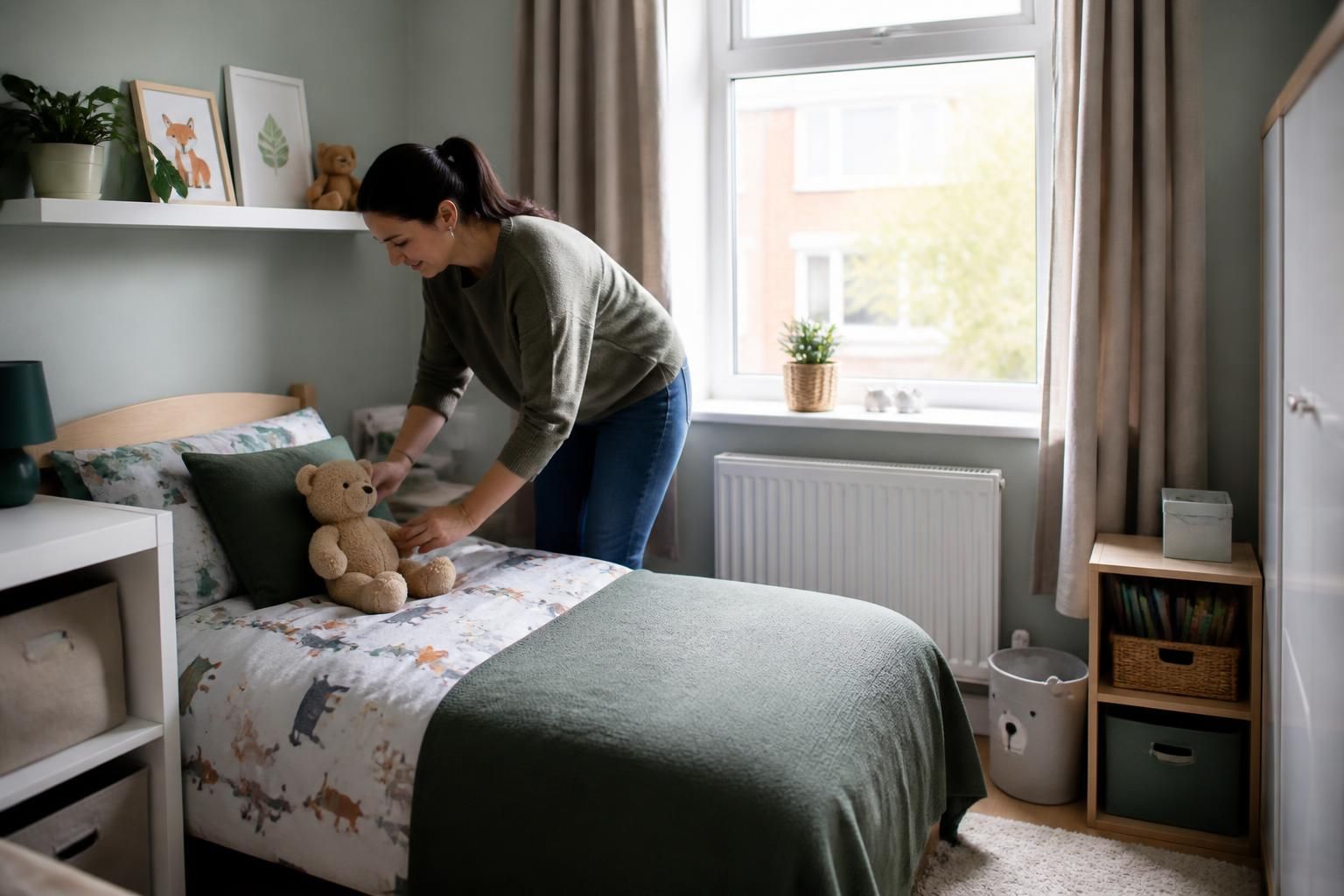
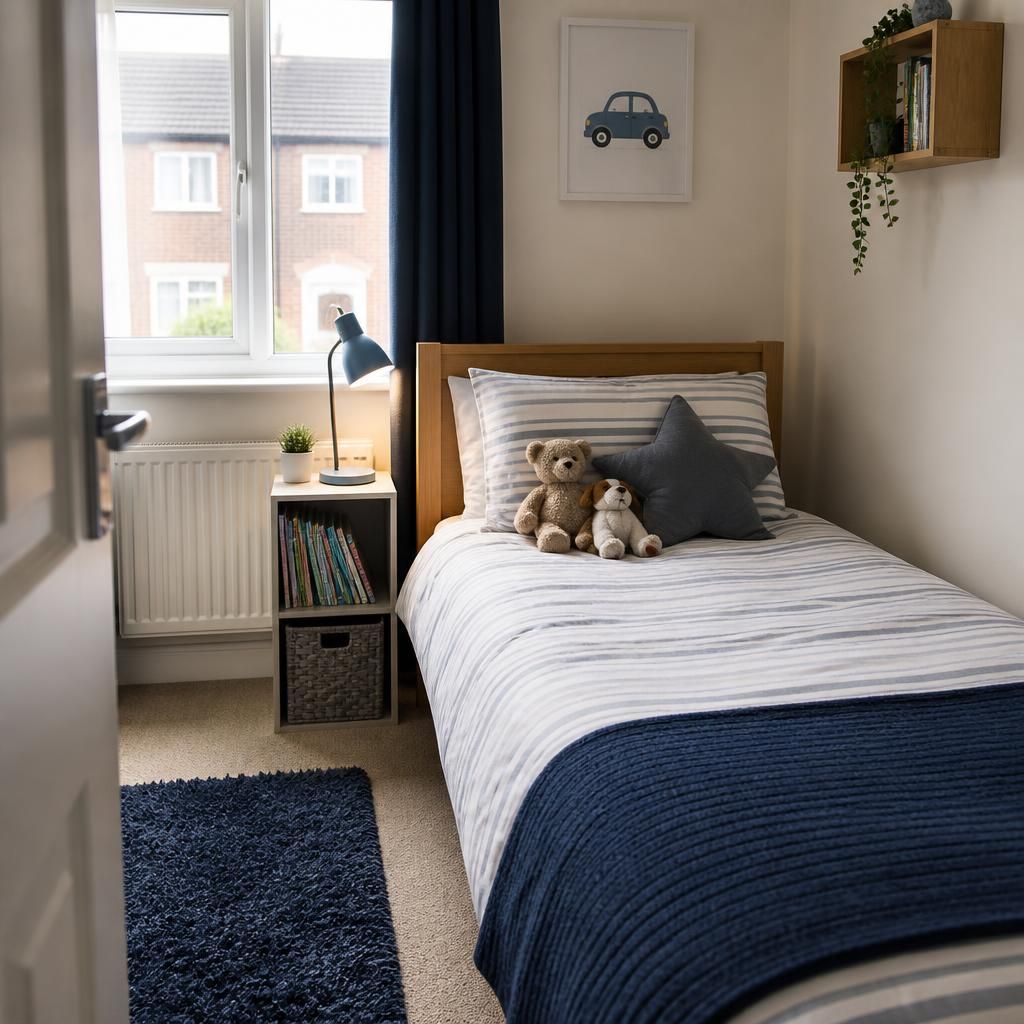
- which bedroom a fostered child or young person would use;
- whether the property is in a reasonable state of repair and can be kept safe;
- how other household members feel about fostering; and
- whether any tenancy conditions could restrict the proposed arrangements.
A short-term or uncertain tenancy may need closer consideration because fostering depends on providing continuity and stability. This does not automatically mean that a rented property will be unsuitable. The relevant question is whether the accommodation is appropriate for the fostering arrangement and whether you are likely to remain there for the foreseeable future. If you expect to move, tell the fostering service at the earliest opportunity rather than waiting until after approval.
Evidence you may be asked to provide
During the assessment, you may be asked for a copy of your tenancy agreement, written landlord consent, or information about the property and its occupants. The exact documents will depend on your circumstances. If your landlord will not give consent, discuss this with the fostering service before making plans, as you cannot rely on an informal conversation where formal permission is required.
The property will normally be assessed as part of the wider fostering checks. This is not simply a check on whether you own your home. It considers practical matters such as sleeping arrangements, privacy, household safety, storage, heating, cleanliness and the condition of the accommodation. Any required safety checks or recommendations should be dealt with before approval or within the timescale agreed during assessment.
Living with other tenants or household members
If you share rented accommodation, the fostering service will need to consider the effect on everyone in the home. A fostered child or young person needs clear boundaries, appropriate privacy and a safe relationship with the adults and children they live alongside. Anyone who regularly lives in or stays at the property may need to be discussed during the assessment, and some adults may require checks depending on their role and contact with the child.
It is also important to consider how fostering could affect your tenancy in practice. For example, check whether there are restrictions on overnight guests, changes to occupancy, working from home, parking or use of communal areas. These issues may not prevent fostering, but identifying them early helps avoid difficulties later.
What happens if you move after approval?
Moving home after approval can affect your fostering arrangements. You should tell your fostering service before moving, where possible, because the new property will need to be assessed for suitability. The proposed bedroom arrangements, safety features and tenancy conditions may all be different. Do not assume that approval automatically transfers to another address.
Renting also does not remove the other stages of the fostering process. You will still need to complete an application and assessment, take part in preparation training, provide information for the required checks and show that you can meet the needs of a child or young person. The assessment looks at your circumstances as a whole, including your motivation, household relationships, availability, health, experience and ability to work with professionals.
Approved foster carers receive ongoing guidance and support, and fostering allowances may be available under the relevant arrangements. The amount and terms can vary, so ask for current details rather than relying on figures from an older source. If you are considering fostering in rented accommodation, gather your tenancy documents and speak to a fostering adviser about what your landlord or housing provider needs to confirm.
When permission is needed, ask your landlord or housing provider to confirm the fostering arrangement in writing rather than relying on general permission for children to live at the property. The confirmation should identify the address and make clear whether a foster child or young person may live there as part of your household.
Before requesting consent, check whether the landlord has conditions about occupancy, room use or alterations. If your tenancy changes, you move to a different property or the landlord imposes new conditions, tell the fostering service so the position can be reviewed before the arrangements change.
Find out if you can foster while renting
Discuss your circumstances with a fostering adviser to understand how renting may affect your application and what to do next. Contact Become A Foster Family to begin an informed conversation about fostering from your rented home.