
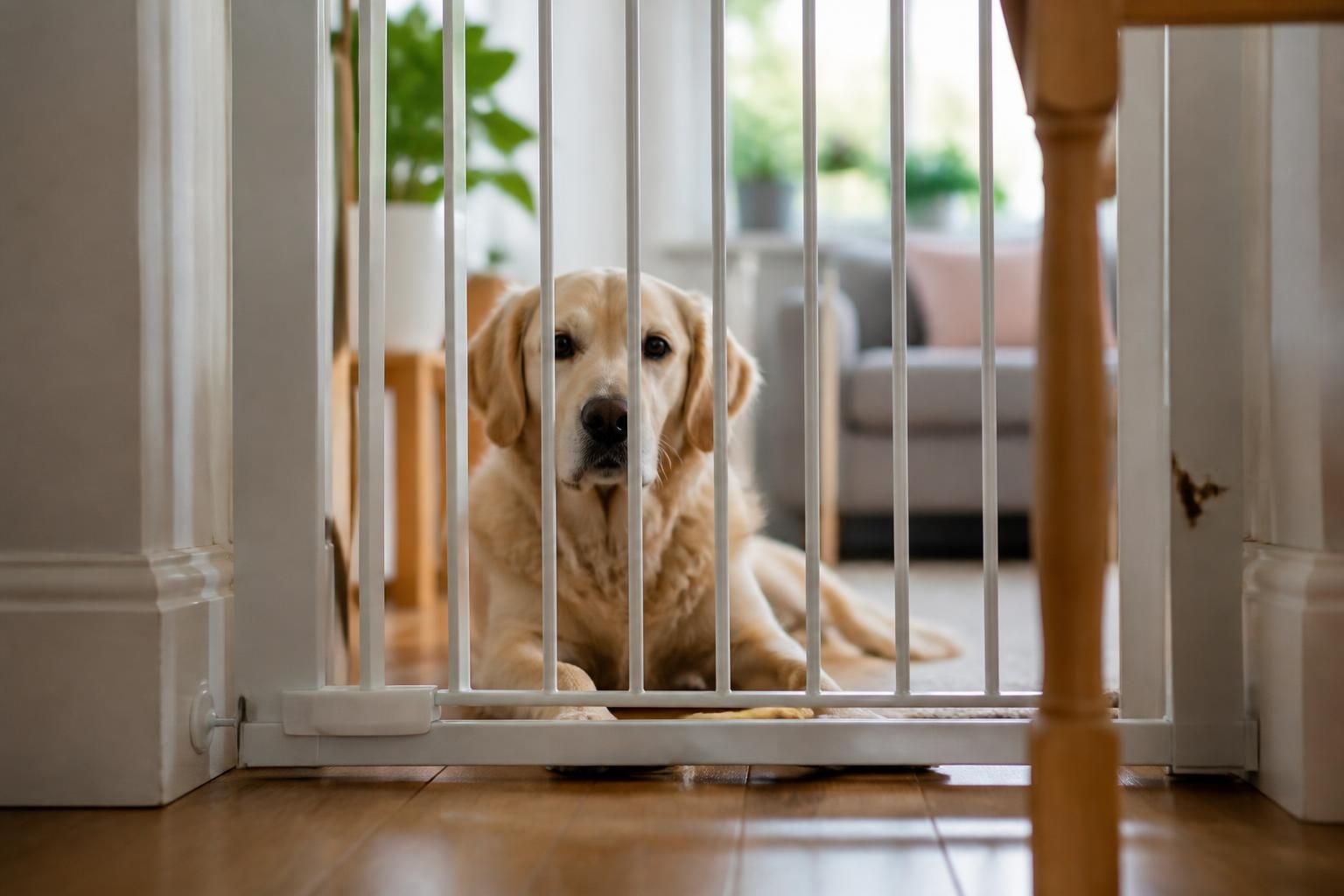
Can I have dogs and be a foster parent?
Yes, you can usually have dogs and be a foster parent, but each dog is assessed as part of the fostering process. The assessment considers your dog’s temperament, behaviour and suitability, alongside the needs and safety of any child placed in your home.
Partnering with an
Ofsted Outstanding Provider
Having a dog does not automatically prevent you from becoming a foster parent. Your dog, your household’s routines and the type of fostering you are considering will all be considered together, with the focus on whether children can live safely and comfortably in your home.
During the assessment, you should provide clear information about every dog living in or regularly visiting the household. This includes the dog’s age, breed or type, health, training, daily routine and history around children, visitors and other animals. Any previous incidents such as biting, snapping, guarding food or toys, persistent jumping or difficult handling should be disclosed. Openness is important because the fostering team needs an accurate picture of the household before making recommendations.
The assessment may include discussion of:
- how your dog responds to unfamiliar people and changes in routine;
- whether the dog can follow basic instructions and be managed safely by the adults in the household;
- how the dog behaves around food, possessions, noise and physical contact;
- where the dog sleeps, eats and spends time in the home;
- whether there is a safe way to separate the dog and a child when required; and
- how you would manage contact between the dog and a child during the settling-in period.
A child’s individual circumstances are particularly important. Some children may be frightened of dogs, have allergies, have experienced neglect or harm involving animals, or find barking, jumping and close physical contact difficult to manage. Others may need help to understand how to behave safely around a pet. A dog that is suitable for one placement may not be suitable for another, so the matching process should consider both the child’s needs and the dog’s behaviour.
Foster carers are expected to take an active role in preventing avoidable risks. This may involve supervising interactions, using doors or stair gates to create separate areas, keeping food and toys under control, and ensuring that a child does not disturb a dog while it is eating, sleeping or resting. Children should also be given clear, age-appropriate guidance about approaching and handling the dog. Supervision arrangements need to be realistic for your home and daily life, rather than relying on a child to manage the situation alone.
It is sensible to review practical arrangements before applying or during the assessment. Consider whether your dog has a quiet space, whether visitors can enter safely, how exercise will be managed alongside fostering responsibilities and what would happen if the child and dog needed to remain apart. You may also be asked about veterinary care, vaccinations or other health matters where these are relevant to household safety. Any advice from a veterinary professional or qualified behaviour specialist should be shared with the assessing social worker.
Your fostering agency will consider the information gathered during the assessment and may recommend safeguards, further training or a particular approach to introductions. In some circumstances, the dog’s behaviour or the level of risk may mean that certain placements are unsuitable. That is not necessarily a decision about dog ownership generally; it is a decision about whether a specific arrangement can meet a specific child’s needs safely.
You should also tell your fostering agency if your household gets a new pet, your dog’s behaviour changes, or there is an incident involving the dog after approval. Foster home arrangements are reviewed as circumstances change, and a new risk assessment may be needed before a child is placed or while an existing placement continues.
Having dogs can therefore be compatible with fostering, provided that the household can demonstrate responsible ownership, sensible supervision and a reliable plan for managing contact. Discuss your dog early in the enquiry and assessment process so that any questions about safety, training or suitable placements can be considered properly.

A foster child should never be responsible for managing your dog. The adults in the household must remain accountable for decisions about contact, separation and handling, including when the dog is unsettled or the child is unable to follow safety guidance. This is especially important where a child has additional needs, limited awareness of risk or difficulty communicating discomfort.
Before fostering, consider how this responsibility would work in everyday situations such as mealtimes, play, visitors arriving and periods when one adult is occupied. Your arrangements should allow you to maintain safe boundaries consistently, rather than depending on the child to recognise warning signs or remember household rules. Discuss these practical arrangements with your assessing social worker so they can be considered alongside your dog’s individual characteristics and the needs of potential placements.
Discuss your dog with a fostering adviser
Discuss your dog and household circumstances with a fostering adviser before applying, so you can understand how they may be considered during assessment and matching.