

Do foster homes need secure storage for medicines?
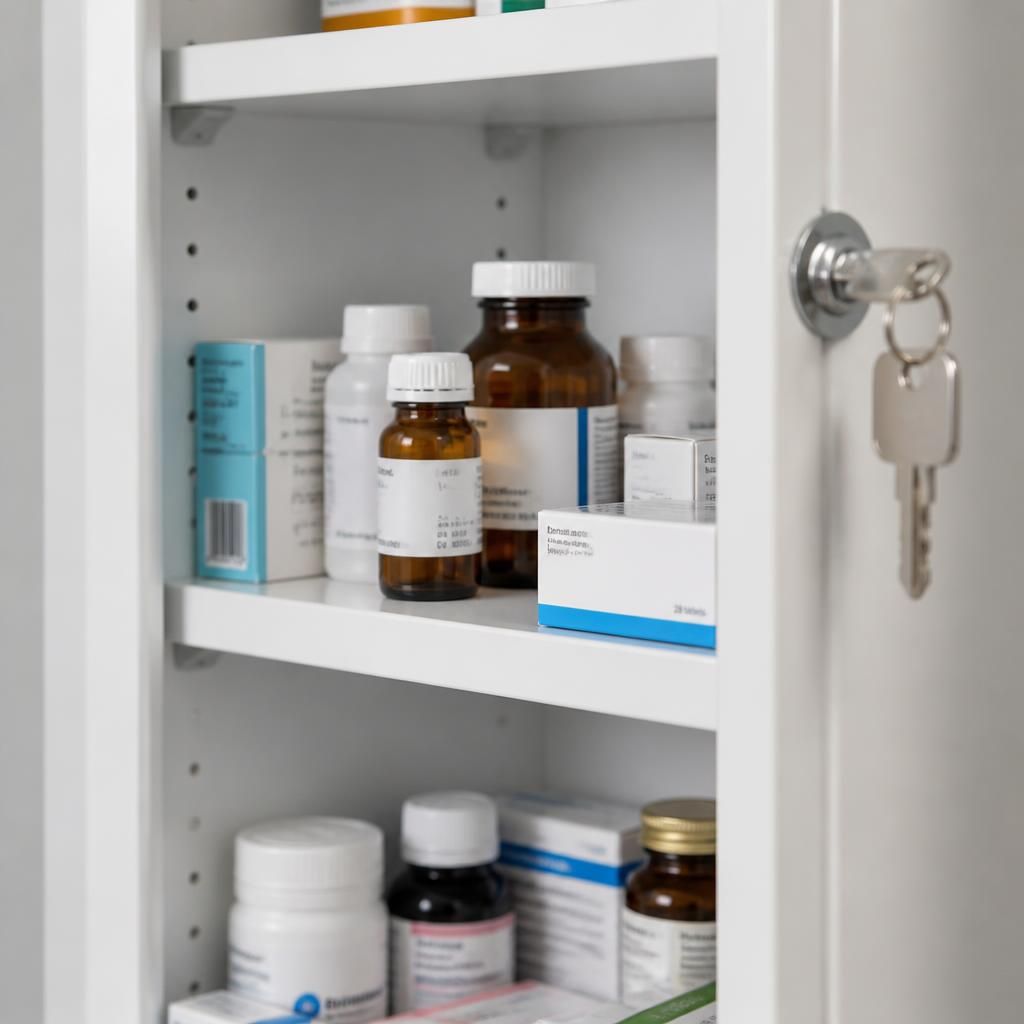
Yes. Foster homes should have secure storage for medicines so children cannot access them, with the exact arrangements guided by the child’s needs, the medication involved and the fostering agency’s safety assessment.
Partnering with an
Ofsted Outstanding Provider
Secure medicine storage is an important part of a foster home’s safety arrangements. Medicines should be kept where children cannot reach or use them without supervision, while still allowing foster carers to access essential treatment promptly when it is needed.
This normally means using a lockable medicines cupboard, box or drawer. The storage should be:
- inaccessible to children and young people, including those who may climb or understand how to open ordinary cupboards;
- separate from food and household products where practical;
- kept away from excessive heat, damp and direct sunlight, unless the instructions require a different arrangement;
- large enough to prevent medicines being mixed up or damaged; and
- available only to authorised adults.
Storage arrangements need to cover more than tablets and prescription bottles. Creams, liquids, inhalers, drops, patches, vitamins, over-the-counter remedies and any medicines belonging to other household members may also need to be secured. Items such as medicated creams should not be left in bathrooms or bedrooms if a child could access them.
Some medicines may need special arrangements. For example, treatment required during an asthma attack, allergic reaction or other medical emergency may need to remain immediately accessible to the foster carer. This does not mean leaving it openly available. The child’s healthcare instructions and the fostering agency’s risk assessment should explain where it is kept, who may administer it and how access is controlled.
Foster carers are usually expected to follow clear procedures for giving, recording and storing medicines. Depending on the child’s age, understanding and care plan, this may include:
- checking the label, instructions and expiry date before administering a medicine;
- using the correct measuring device for liquid medicines;
- recording doses given, missed or refused;
- keeping medicines in their original, labelled packaging;
- not sharing medicines between children or using one child’s prescription for somebody else; and
- reporting errors, adverse reactions, lost medicines or concerns about misuse.
A foster child’s health plan should set out relevant information, such as the purpose of each medicine, dosage instructions, known allergies, possible side effects and whether the child can take any responsibility for their own treatment. A young person who is developing independence may be supported to manage medicines gradually, but this should be based on their maturity and assessed risk rather than age alone.
Foster carers should also check how repeat prescriptions are obtained, how medicines are transported, and how unused or expired items are returned for safe disposal. Medicines should not be put in household waste or flushed away unless professional instructions specifically say this is appropriate.
During assessment, the fostering service may ask to discuss the proposed storage arrangements and any relevant household risks. It may recommend a particular type of lock, changes to where medicines are kept or additional precautions for a child with complex health needs, a history of self-harm, substance misuse or difficulty understanding danger.
These arrangements can be reviewed after approval. A new placement, a change in medication, a child becoming more independent or an incident involving access to medicines may require the safety plan to be updated. Foster carers should raise questions with their supervising social worker rather than changing administration or storage arrangements without advice.
Training and guidance should be provided before a carer is expected to manage unfamiliar treatment. Where a medicine requires specific skills, such as specialist equipment or an emergency procedure, the foster carer may need instruction from an appropriate healthcare professional and a written plan to follow.
Some medicines must be refrigerated, so secure storage may need to include a locked container within a suitable refrigerator or another arrangement recommended by a pharmacist. The medicine must remain within the temperature range stated in its instructions, while access is still controlled. Foster carers should not move refrigerated medication, alter its packaging or use a different storage method without checking with the prescribing clinician or pharmacist.
It is also useful to include medicines brought into the home temporarily, such as those belonging to visitors or a child staying for respite care. They should be handed to the foster carer on arrival and placed within the agreed storage arrangements, rather than being left in a handbag, coat pocket or overnight bag where another child could find them.
Ask about safe medicine storage when you enquire about fostering
If you are considering fostering, ask your fostering team how your proposed medicine storage arrangements would be assessed for the needs of a child in placement.