
Do foster homes need to meet specific fire safety requirements?
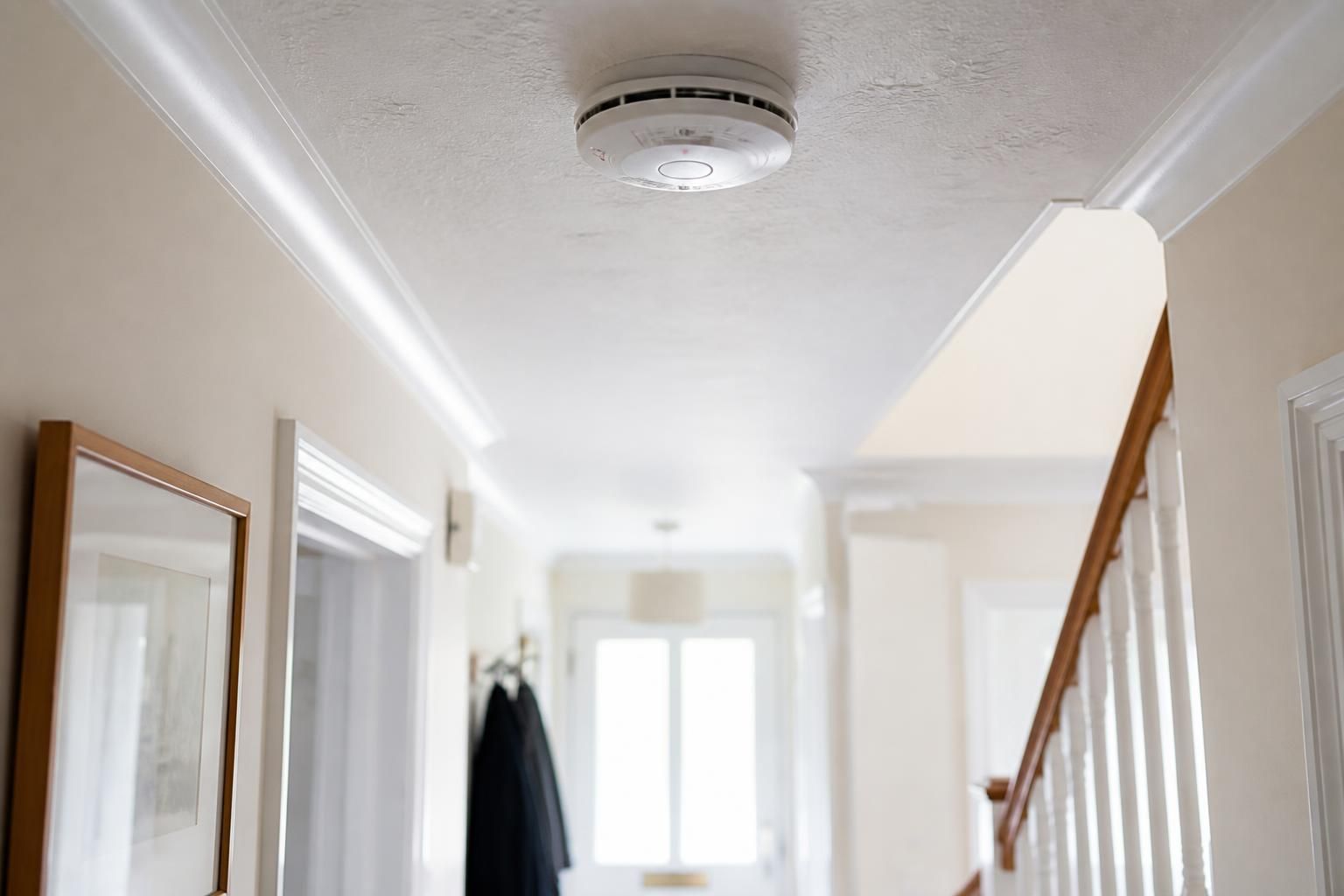
Yes. Foster homes must meet fire safety standards, including suitable smoke alarms, safe escape routes and appropriate arrangements for reducing fire risks; these will be considered as part of the fostering home assessment.
Partnering with an
Ofsted Outstanding Provider
Fire safety is treated as a practical, household-specific requirement during fostering approval. The assessment considers how safely everyone could respond to a fire, taking account of the property, the people living there and the needs of any child who may be placed with you. There is not one identical checklist for every foster home, because the appropriate arrangements can vary according to the building and the age, behaviour, health or mobility of the child.
The assessment may consider:
- How the property is laid out, including the position of bedrooms, stairways, exits and any areas where a child could become trapped.
- Whether doors, windows, stairs and other routes can be used safely in an emergency, including at night.
- The condition of electrical installations, plugs, extension leads and household appliances.
- Potential sources of ignition, such as cooking equipment, heaters, open flames, candles and smoking materials.
- Whether combustible items are kept away from heat sources and whether matches, lighters and other hazards are inaccessible to children.
- Any risks created by chargers, batteries or electrical equipment that may be left running or charging.
- Whether furnishings and household equipment are suitable for the home and maintained in a safe condition.
Foster carers are normally expected to keep fire risks under regular review rather than treating the assessment as a one-off inspection. This includes maintaining household equipment, keeping escape routes clear, dealing with faults promptly and ensuring that safety arrangements remain suitable when the household or a placement changes. A move, alteration to the property, new heating equipment or a child’s changing needs may lead to a further review.
The fostering service will also want to understand what would happen if a fire occurred. This may involve agreeing a clear evacuation procedure, identifying where household members should go and considering how an adult would help a child who is asleep, frightened, very young, disabled or unable to follow instructions independently. A child may need an individual plan, particularly where their behaviour, communication, mobility or health affects their ability to leave the property safely.
These arrangements should be discussed with everyone in the household. Children placed in the home should receive guidance that is appropriate to their age and understanding, without being given responsibility that they cannot safely manage. Foster carers should know how to raise the alarm, contact the emergency services and leave the property rather than attempting to deal with the fire themselves.
Some homes may need evidence from a qualified or competent professional, depending on the property and the fostering service’s procedures. If you rent your home, the assessment may also involve checking that the landlord’s permission is in place for relevant safety work or equipment. Shared buildings, flats, converted properties and homes with unusual layouts may require particular consideration because escape arrangements can depend partly on communal areas.
Fire safety is also covered through fostering preparation and ongoing training. You may be asked questions about your household routines, supervision, cooking, smoking, visitors, pets and the storage of hazardous items. The purpose is not to expect a completely risk-free home—no household can remove every risk—but to identify foreseeable dangers and show that sensible controls are in place.
If changes are recommended, the fostering service should explain what needs to be addressed and whether this must happen before approval or before a child is placed. Ask for clarification if a requirement is unclear, especially where it relates to the property’s design or a child’s particular needs. The assessment is intended to establish that the home can provide a safe setting, while allowing arrangements to be considered on their individual circumstances.
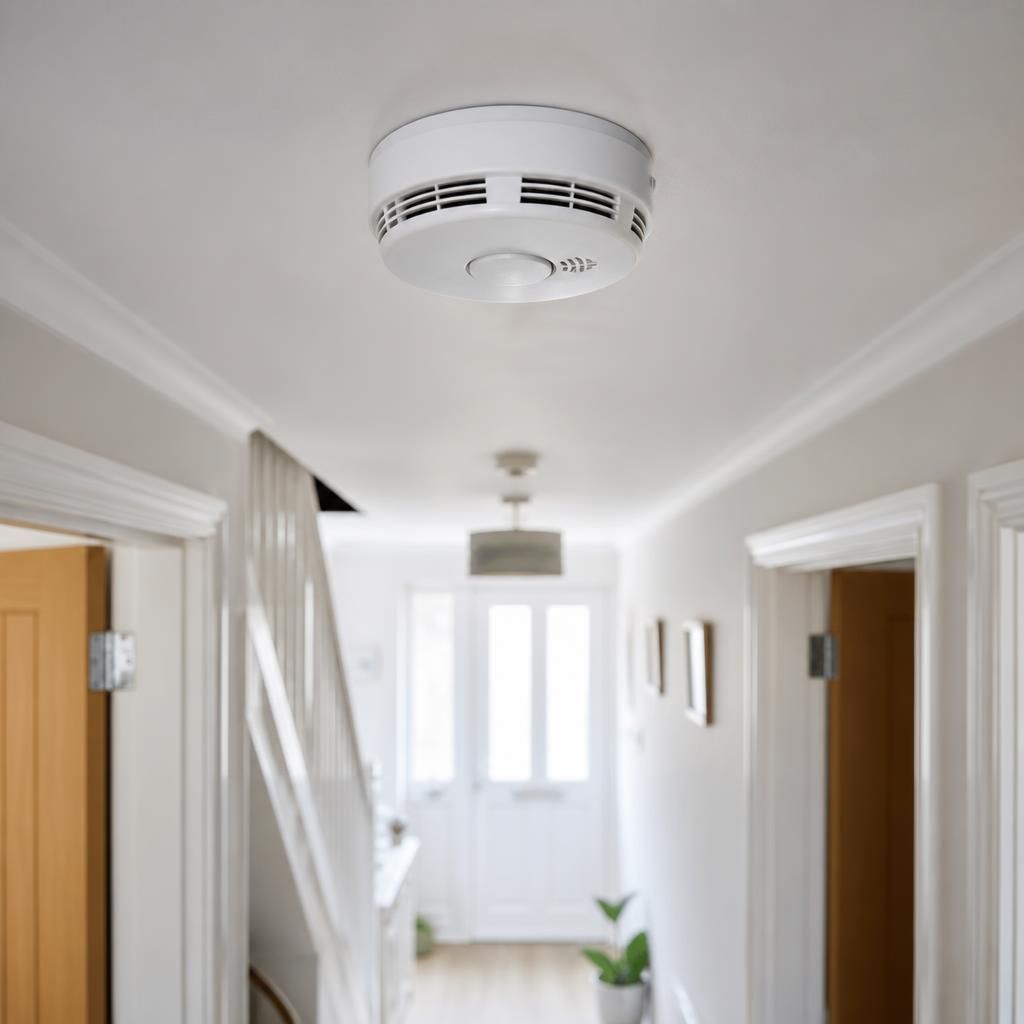
Fire safety requirements for a foster home are usually considered alongside the child’s placement needs, rather than as a separate pass-or-fail standard applied identically to every property. A home may be suitable for one placement but need additional planning for a child whose age, health, communication or behaviour creates different safety considerations. This is why the fostering service should explain how its requirements apply to your household and the type of placement being considered.
When discussing your assessment, ask which fire safety points are conditions of approval, which must be addressed before a placement and which can be managed through the child’s placement plan. Keeping a written record of agreed arrangements can help household members, supervising professionals and other carers follow the same approach. If you are unsure whether a proposed arrangement is acceptable, raise it with your fostering service before making changes or accepting a placement.
Discuss fire safety requirements for your foster home
If you are considering fostering, speak to our fostering team about your household and the next steps in the home assessment. They can explain how fire safety arrangements will be considered for the placements you may be assessed for.