
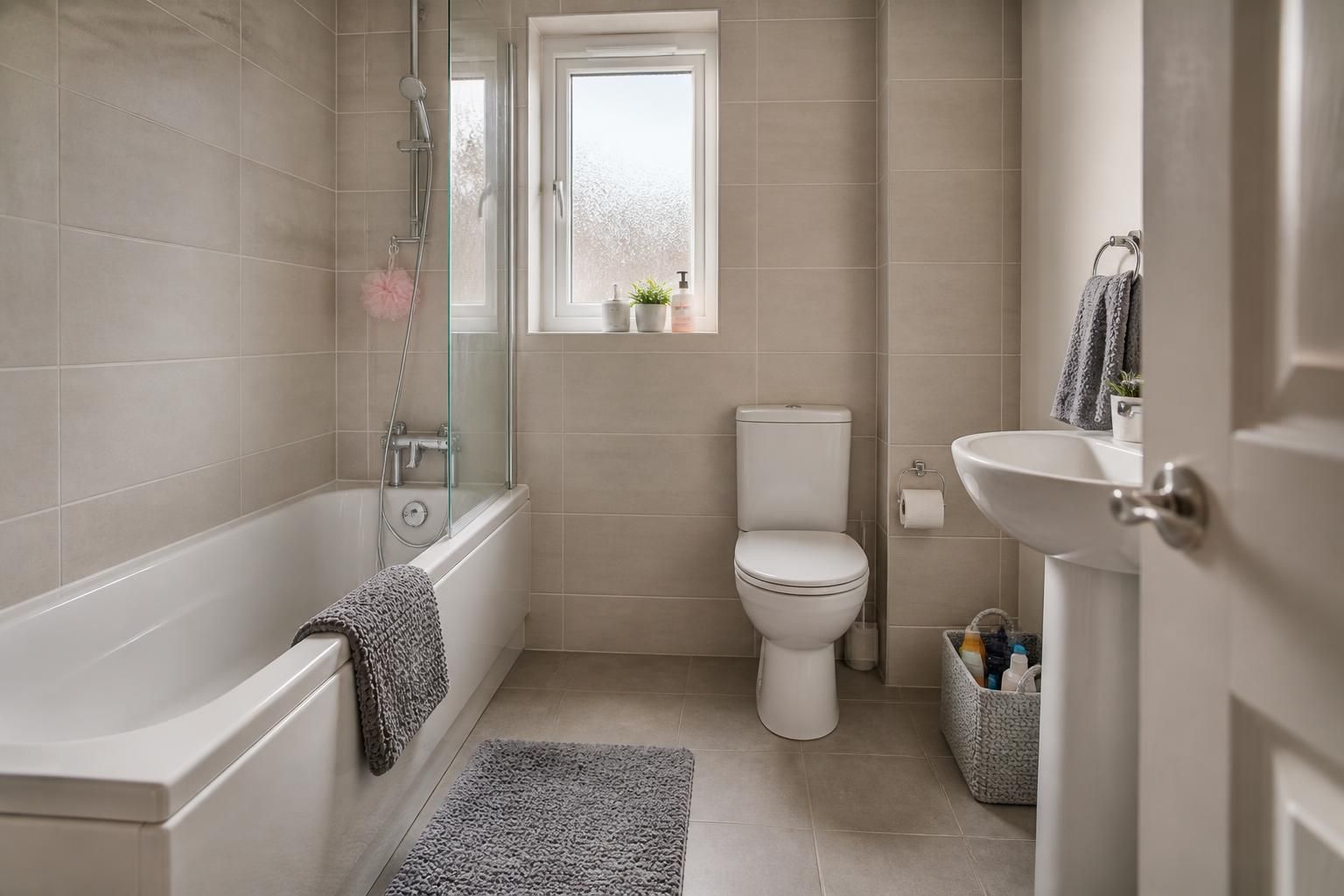
Does a foster home need a separate bathroom?
No, a foster home does not usually need a separate bathroom. The assessing team will consider whether the bathroom is safe, hygienic and suitable for the child’s age, needs and privacy, along with how it is shared within the household.
Partnering with an
Ofsted Outstanding Provider
A separate bathroom is not normally a standard requirement for foster carers. A shared family bathroom can be suitable, provided it gives the child safe and reasonable access to personal care, supports their privacy and can be managed appropriately alongside the needs of everyone in the household.
What the assessment considers
The fostering assessment looks at how the bathroom works in practice rather than simply counting the number of bathrooms in the property. The assessing social worker may consider:
- whether the bathroom is clean, hygienic and in good repair;
- whether the child can use it safely, including safe access at night;
- how much privacy the child will have when bathing, showering or using the toilet;
- whether the facilities are suitable for the child’s age and level of independence;
- how the bathroom is shared with other children and adults in the home;
- whether any disability, medical condition, continence need or personal care requirement creates a need for adaptations; and
- whether household routines could create avoidable stress or conflict.
A separate bathroom may be helpful in some households, but its absence does not automatically prevent approval. The relevant question is whether the home can meet the needs of a particular child safely and respectfully.
Privacy and personal care
Children in care may have experienced disrupted routines, neglect, abuse or a lack of privacy. This can affect how comfortable they feel using shared facilities. Foster carers should be prepared to establish clear household expectations, such as knocking before entering, keeping the bathroom door closed when it is in use and agreeing suitable times for bathing.
Some children may need support with washing, dressing, toileting or managing personal hygiene. Any support should be appropriate to the child’s age, abilities and care plan, with the child’s dignity protected at all times. The fostering service will discuss how personal care is to be provided and whether additional safeguards or arrangements are needed.
Safety checks within the bathroom
As part of the wider home assessment, practical safety matters may include secure storage for medicines and cleaning products, safe flooring, suitable temperature controls, adequate lighting and the condition of electrical fittings. Depending on the child’s age and needs, the assessor may also discuss supervision around baths, showers, windows, locks and hot water.
Safety arrangements should be proportionate to the child. A young child, a child with additional needs or a child who is not safe around water may require closer supervision than an older, more independent young person. These arrangements should be reviewed if the child’s needs or circumstances change.
Can a bathroom be adapted?
Often, practical changes can address a concern without requiring a new bathroom. Possible measures might include non-slip flooring or mats, grab rails, a shower seat, improved lighting, a thermostatic control or a clear privacy arrangement. Any adaptation should be suitable for the property and agreed with the relevant professionals where necessary.
If a child has mobility, sensory, medical or continence needs, the fostering service may seek further information about the support required. An occupational therapist or another specialist may be involved where a more detailed accessibility assessment is appropriate. The child’s individual needs, rather than a general rule about separate bathrooms, determine what is suitable.
How bathroom arrangements are assessed
During the assessment, you should explain honestly how the bathroom is used, who shares it and how you would manage everyday routines. You may be asked how you would handle:
- bathroom access before school and at bedtime;
- privacy when several members of the household need to use the facilities;
- support with bathing or toileting;
- accidents, continence products or additional cleaning;
- night-time access; and
- any changes needed for a particular placement.
The assessment does not expect every home to have identical facilities. It considers whether your arrangements are realistic, safe and appropriate for the children you may be approved to care for. If a particular placement would require facilities or adaptations that your home cannot provide, that should be identified before the placement is agreed.
Foster home requirements are considered alongside the child’s bedroom, fire safety arrangements, general security and the suitability of the wider household. You do not need to install a separate bathroom simply to enquire about fostering, but you should be ready to discuss how a shared bathroom would provide safe access, privacy and suitable personal care.
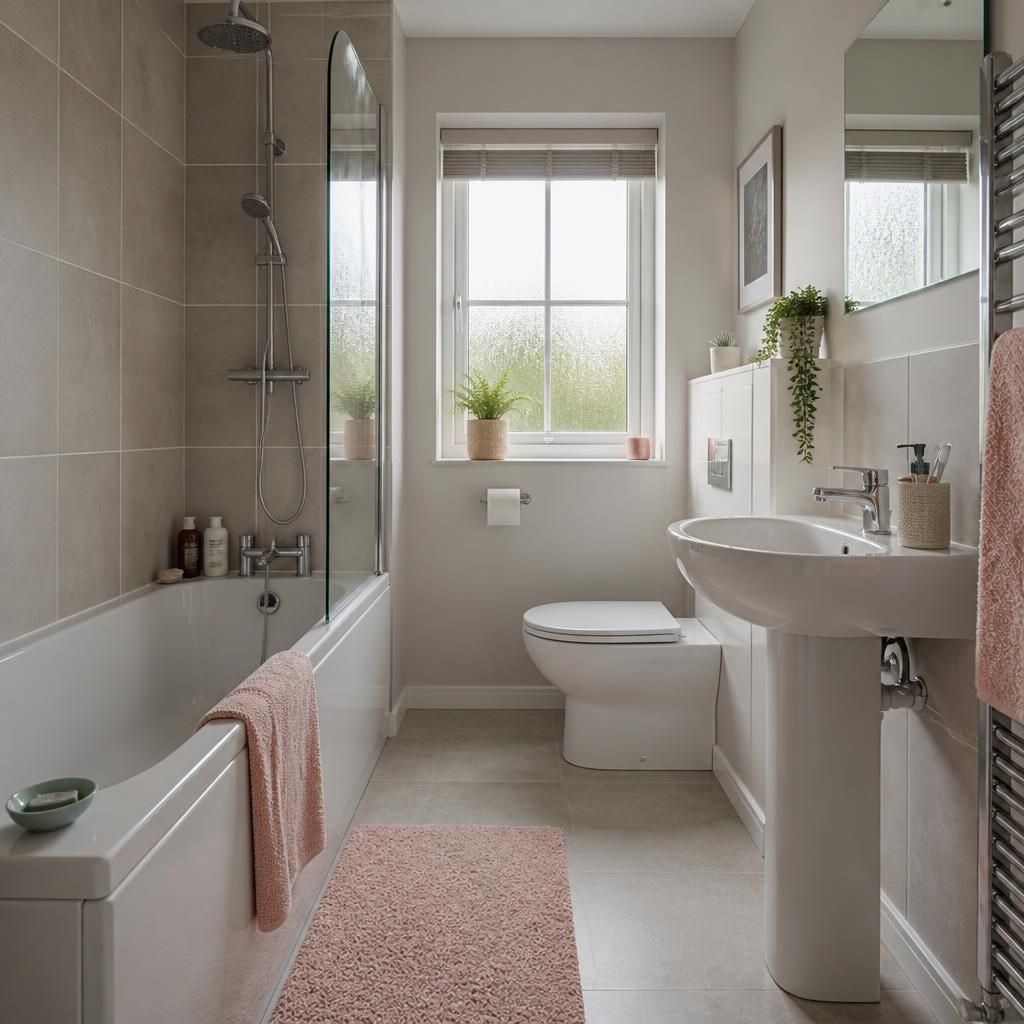
A shared bathroom can affect which placements are suitable, even when it does not prevent approval. For example, a child who needs frequent assistance with personal care, has significant mobility needs or requires a high level of privacy may need arrangements that a particular household cannot provide. The fostering service will consider this when identifying suitable placements, so you should describe your bathroom facilities accurately during assessment.
Approval is based on the needs you can safely meet, not on having a set number of bathrooms. If your circumstances change, such as a household member’s needs or the layout of your home, tell your fostering service so the arrangements can be reviewed.
Ask about your bathroom arrangements
Speak to our fostering team about your home layout, household routines and any questions you have about bathroom arrangements. They can explain how these details are considered during the fostering assessment.