
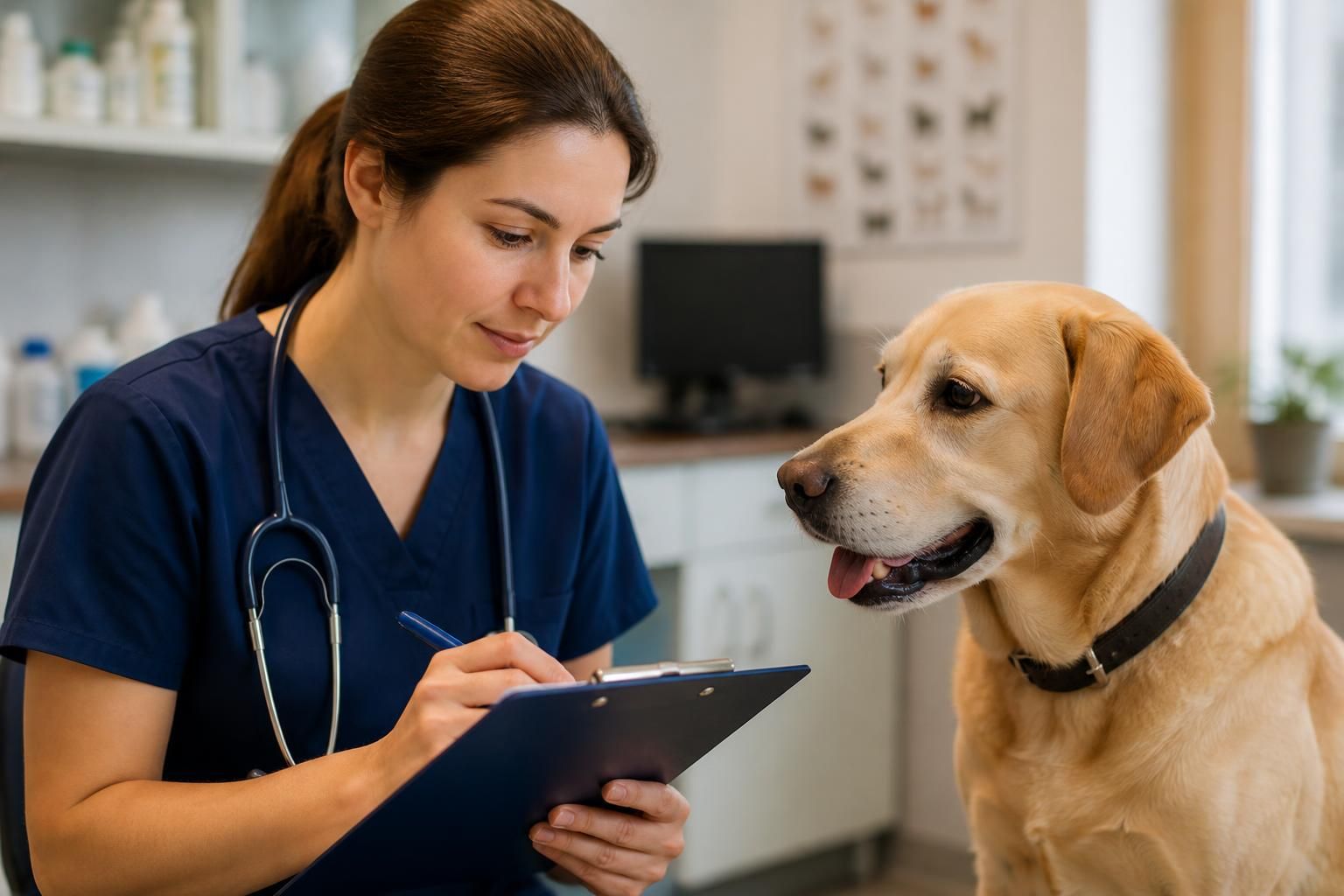
Are dog vaccinations required for foster carers?
There is no single UK rule requiring every foster carer’s dog to have specific vaccinations, but fostering agencies will usually ask for up-to-date veterinary records and consider whether immunisation is appropriate for the dog and the children in the household. Your dog’s vaccination status will form part of the pet assessment and wider safety checks during the fostering application.
Partnering with an
Ofsted Outstanding Provider
In practice, fostering services will usually expect your dog’s vaccinations to be current where a veterinary professional considers them suitable. This is because vaccination can reduce the risk of preventable illness in a household that may include children with limited information about their medical history or particular health needs. The decision is based on your dog’s circumstances, veterinary advice and the fostering service’s pet-safety policy.
During the assessment, you will normally be asked to provide relevant veterinary information. This may include:
- the dog’s vaccination history and dates of recent boosters;
- any advice from your vet about vaccinations that are unsuitable or should be delayed;
- details of ongoing medication, medical conditions or previous reactions; and
- arrangements for veterinary care and managing the dog around children.
A dog that is not fully vaccinated is not automatically unsuitable for fostering. There may be valid reasons why vaccination is incomplete, including age, illness, a previous reaction or a vet’s recommendation. It is important to explain the situation honestly rather than arranging vaccinations without professional advice. The fostering service may discuss additional precautions, seek further information from your vet or agree that vaccinations should be brought up to date before a child is placed.
Vaccination is only one part of assessing a pet’s suitability. The fostering service will also consider the dog’s temperament, behaviour, health, size, history and ability to cope safely with children. It may look at how the dog is managed in the home, where the dog eats and sleeps, whether children can access its food or resting area, and what arrangements are in place for supervision. A vaccinated dog still needs appropriate boundaries and should not be left unsupervised with a foster child.
Vaccinations for other household pets may also be discussed, particularly if they have regular contact with the dog or with children in the home. Ask the fostering service which animals must be included in the assessment and whether it has specific requirements for dogs, cats or other pets. Requirements can differ between fostering services, so general online guidance cannot replace the policy used for your application.
If you are considering fostering, gather your dog’s veterinary records and speak to your vet before the assessment. Ask whether the dog’s vaccinations are current, whether any booster is appropriate and whether there are health factors that the fostering service should understand. You should also tell the assessing social worker about any gaps in the records, even if you intend to address them.
The vaccination position may need to be reviewed if your dog’s health changes, if a foster child has specific medical needs, or if the dog has contact with animals outside the household. Keep the fostering service informed and follow any agreed safer-care arrangements. This allows vaccination decisions to be considered alongside the wider plan for protecting the child, the dog and everyone else in the home.
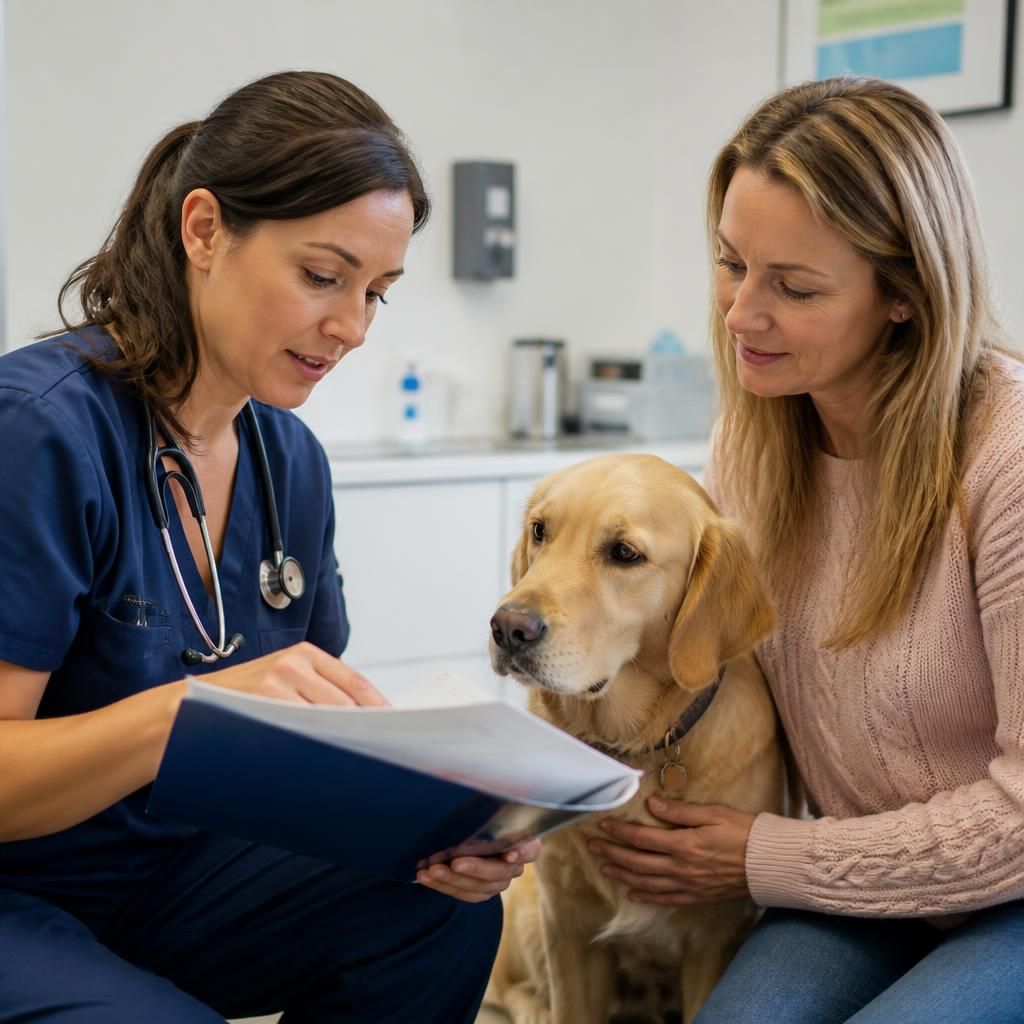
Vaccination records are considered alongside the needs of any child who may be placed in the home. For example, a child with a health condition affecting their immune system may require more detailed advice from the fostering service and your vet before an arrangement is agreed. This does not mean that every dog must meet an identical vaccination standard, but it may affect the precautions, information-sharing and placement planning required.
If your dog’s records are incomplete, do not guess which vaccinations have been given or arrange catch-up treatment without veterinary advice. Give the fostering service the information you have, allow your vet to review the record and ask what evidence is needed for the assessment. Clear, accurate information helps the assessing team make a proportionate decision about your household.
Discuss your dog’s vaccination records with us
If you are considering fostering, speak to our fostering team about the information needed for your dog’s assessment. We can help you understand the next steps and prepare for your application.