
Can I foster if my dog has a history of aggression?
You may be able to foster if your dog has a history of aggression, but approval will depend on the nature of the behaviour, its causes, how it has been managed and the assessed risk to children. Be open about the history so the fostering team can complete a thorough pet and household assessment, which may include advice from a qualified animal behaviour professional.
Partnering with an
Ofsted Outstanding Provider
There is no universal rule that excludes a household because a dog has shown aggression in the past. The important issue is whether the behaviour creates an unacceptable or unmanageable risk to a foster child, taking account of the circumstances, the dog’s current behaviour and the safeguards that can realistically be maintained.
The fostering assessment will usually explore:
- what happened, including the date, setting, trigger and severity of the incident;
- whether the behaviour involved warning signals, snapping, biting, chasing, guarding or repeated attacks;
- who was involved, such as an adult, child, visitor or another animal;
- whether the behaviour was linked to pain, illness, fear, stress, handling, food, toys, territory or a particular type of person;
- what action was taken afterwards and whether the dog’s behaviour has changed; and
- whether similar incidents have occurred despite training, management or veterinary treatment.
A single incident in a clearly understood situation may be viewed differently from repeated, unpredictable or severe aggression. Behaviour directed towards children, or behaviour that cannot be reliably prevented through ordinary household routines, is likely to receive particularly careful consideration. The fact that a dog has not bitten anyone does not by itself mean that there is no risk; growling, lunging, snapping and guarding can also be significant warning signs.
Full disclosure is essential. Provide records of incidents, veterinary information, previous behaviour work and any restrictions already recommended. Avoid minimising an event because it happened some time ago or because no injury resulted. Withholding relevant information can make it harder for the assessing team to judge the household safely and could affect approval later.
You may be asked to obtain an up-to-date veterinary assessment or an opinion from a suitably qualified animal behaviour professional. This can help identify medical causes, establish likely triggers and assess whether the proposed management is practical. A general obedience class is not the same as an individual behaviour assessment, and training alone should not be treated as proof that a serious risk has been removed.
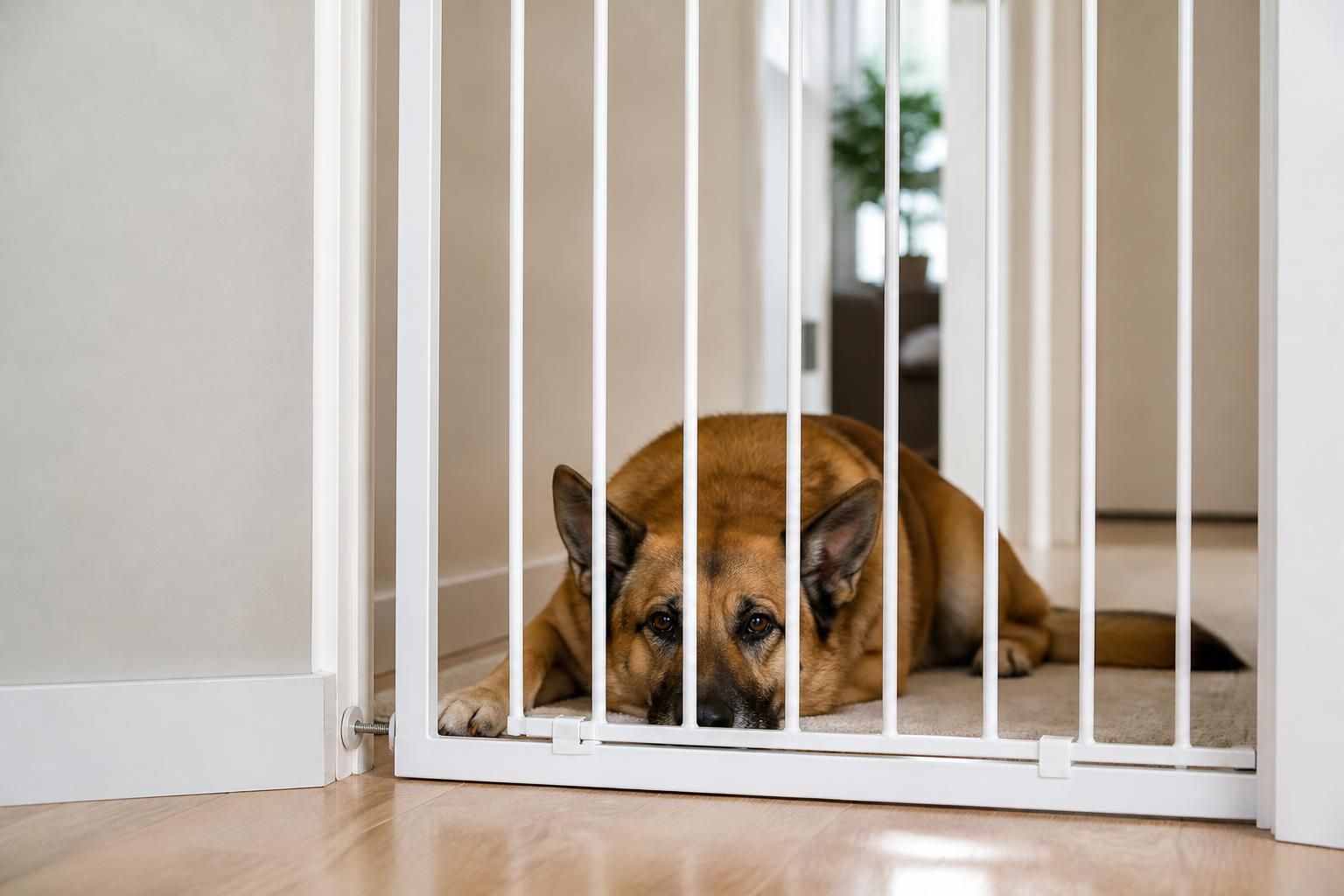
Where fostering is considered possible, the household will need a detailed safety plan. This may include keeping the dog and child physically separated during particular activities, using secure doors or barriers, supervising contact, managing food and toys, and ensuring that adults understand the dog’s warning signals. Any equipment or behaviour technique should be selected with appropriate professional advice. Children should not be expected to manage the dog, interrupt a tense situation or accept responsibility for keeping themselves safe.
The plan must also reflect the needs of the children who may be placed with you. A child who is frightened of dogs, has experienced harm, struggles to understand boundaries or behaves unpredictably may need arrangements that are different from those suitable for another child. It may therefore be possible to approve a household for some placements but not others, or to decide that the dog cannot remain in the home while fostering takes place.
Approval is not based solely on whether a dog is described as a particular breed. The assessment focuses on the individual animal’s behaviour, the circumstances involved, the household’s ability to follow safeguards and the potential impact on a vulnerable child. If the risks cannot be reduced to an acceptable level, the agency may decide that fostering is not suitable with that dog in the home. This is a safeguarding decision, not a judgement about the value of the dog.
Tell the fostering team about the history at the earliest stage and ask what evidence they need. Do not arrange contact between the dog and a prospective foster child until the assessment has been completed and a safe introduction plan has been agreed. If your circumstances, the dog’s behaviour or the needs of a placed child change, the arrangements should be reviewed rather than managed informally.

A dog’s suitability for fostering depends not only on past incidents, but also on how it copes with the everyday pressures of a busy family home. Foster children may be unsettled, noisy, impulsive or unsure how to approach animals, so the assessment will consider whether the dog can remain calm around changes in routine, visitors, movement and household activity.
Be prepared to explain the dog’s normal behaviour as well as its history. Details such as how it responds when disturbed while resting, approached near its food, handled unexpectedly or exposed to unfamiliar people can help the fostering team understand its overall temperament. This information supports a balanced decision about whether the dog can safely live alongside a foster child and what limitations, if any, would be needed.
Discuss your dog’s history with our fostering team
If you are considering fostering and need to discuss your dog’s history, contact our fostering team with the details of any previous incidents. They can explain the assessment process and advise on the information needed to consider your circumstances safely.