
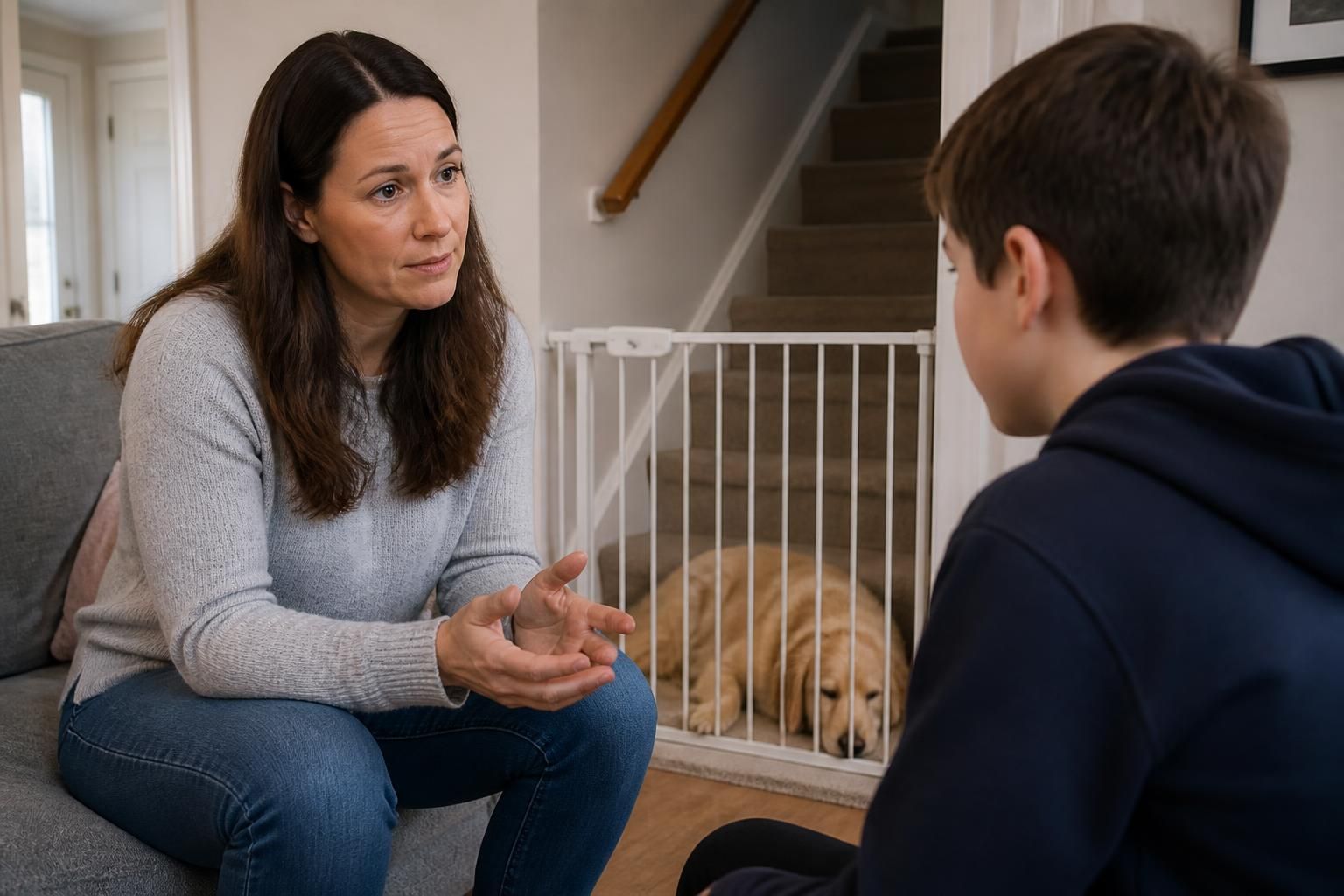
What if a foster child is afraid of dogs?
If a foster child is afraid of dogs, their fear should be taken seriously and they should never be pressured to approach or touch the dog. Their social worker and fostering team can help you agree a gradual, supervised plan that prioritises the child’s sense of safety and the dog’s welfare.
Partnering with an
Ofsted Outstanding Provider
A foster child’s fear of dogs should be treated as an important part of their individual care needs. The fear may arise from a previous frightening experience, unfamiliarity with animals, sensory sensitivities or wider feelings of insecurity. It does not automatically mean that a household dog and child cannot live together, but the arrangement must be carefully assessed and adapted around the child’s safety.
Before the child arrives, discuss the dog with their social worker and fostering team. Share practical information about the dog’s size, age, temperament, usual behaviour, movements and daily routine. The child’s background information may indicate whether they have experienced neglect, violence or an incident involving an animal, although not every reason for a fear will be known. This information helps the adults decide what contact, if any, is appropriate at the start of the placement.
On arrival, give the child a clear explanation of the arrangements. Explain where the dog will be, which areas are dog-free and how the child can ask for help. Avoid describing the dog as harmless or insisting that the child will soon get used to it, as this can make the child feel that their concerns are not being understood. A simple household plan can reduce uncertainty, such as:
- keeping the dog behind a stair gate or in a separate room when the child is settling in;
- providing the child with a room or area where the dog is not allowed;
- keeping the dog under close adult supervision in shared spaces;
- making sure the child does not have to pass the dog to reach essential rooms; and
- agreeing which adult the child should tell if they feel worried.
Introductions should be led by the child’s comfort rather than by a fixed timetable. Initially, the child may only be able to tolerate knowing that the dog is elsewhere in the house. Later, they might manage seeing the dog from a distance, being in the same room with a physical barrier, or remaining nearby while the dog is settled. Each stage should be observed carefully and only extended when the child is consistently comfortable. Looking at photographs, hearing about the dog’s routine or watching from a safe place may be suitable alternatives to direct contact.
Do not use treats, games or physical contact as a way of obtaining cooperation if the child is visibly distressed. The child should be able to move away and should not be asked to feed, stroke, walk or care for the dog. Any progress should be voluntary and should not be presented as a condition of settling into the foster home.
Adults must also manage the dog’s behaviour responsibly. Keep the dog’s routine as predictable as possible, provide a quiet space where it can retreat and avoid situations in which the child or dog may feel cornered. Children should not be left unsupervised with a dog, even if the animal is normally calm. Foster carers need to notice signs of stress in both of them, including hiding, freezing, barking, growling, persistent avoidance or sudden changes in behaviour.
If the fear affects sleep, eating, school attendance, movement around the home or the child’s ability to settle, tell the social worker and fostering team promptly. They may review the household plan, seek specialist advice or consider whether different living arrangements are required. A placement should not rely on the child enduring ongoing distress, and any decision must take account of the dog’s welfare as well as the child’s.
Record what has been agreed, what the child has managed and any incidents or changes in behaviour. Review the plan as the placement develops, particularly after changes in the child’s circumstances or the dog’s behaviour. The aim is not necessarily for the child to become comfortable handling the dog; it is to provide a stable home in which the child feels secure and contact with the animal is managed safely.
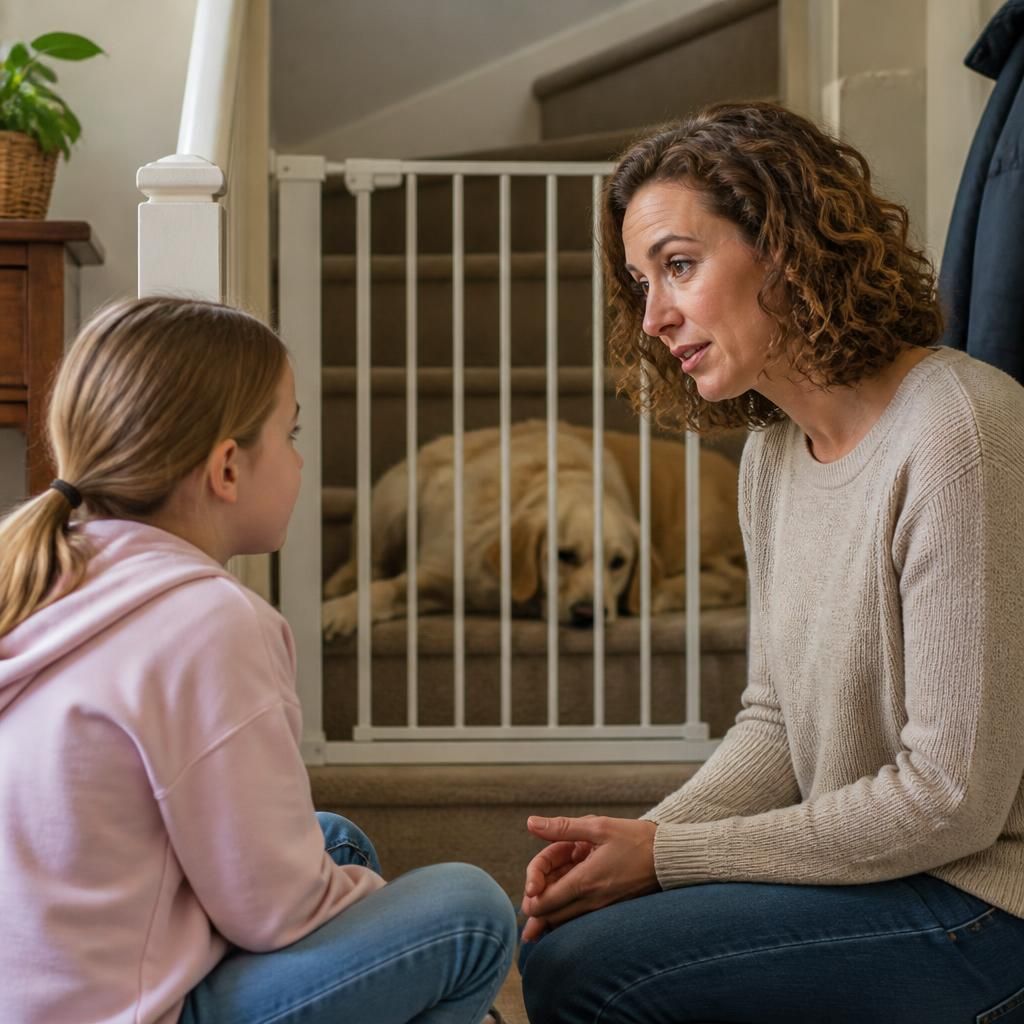
A fear of dogs may be communicated through behaviour rather than words. A child might avoid certain rooms, refuse to enter the home, become unusually quiet, appear angry or have difficulty sleeping. These responses should not be treated as defiance. Ask calmly what feels frightening, without requiring the child to explain the original cause. The concern might relate to barking, sudden movement, the dog’s size, smell or simply not knowing what the animal will do.
Use the child’s answers to refine the household arrangements. For example, adults can give advance notice before moving the dog through a shared area, keep greetings predictable and avoid making jokes about the fear. If the child cannot describe it clearly, continue to observe patterns and share them with the social worker. Understanding the specific trigger can help the fostering team decide whether changes to the home, further assessment or specialist therapeutic support may be appropriate.
Talk to our fostering team about dogs and foster children
Talk to our fostering team about how a child’s fear of dogs could be considered during assessment and placement planning. We can help you understand the questions to raise with the child’s social worker and what support may be available.