
Can I foster if I live in a flat?
Yes, you can foster if you live in a flat, provided your home offers suitable space, privacy and a safe environment for a child or young person. Your assessment will consider factors such as the available bedroom, communal areas, safety, access and any permission required from a landlord or freeholder.
Partnering with an
Ofsted Outstanding Provider
Living in a flat does not automatically prevent you from fostering. The fostering service will assess whether the property is suitable for the particular child or young person, taking account of the layout, household circumstances, building arrangements and any additional needs the child may have.
A flat is assessed as a home, rather than judged simply by its property type. A well-managed flat may be suitable if it provides a stable base and can support the practical routines of fostering. During the assessment, you should expect discussion about:
- the size and layout of the property, including whether there is enough usable living space for everyone in the household;
- how the child would reach and use the relevant areas of the home;
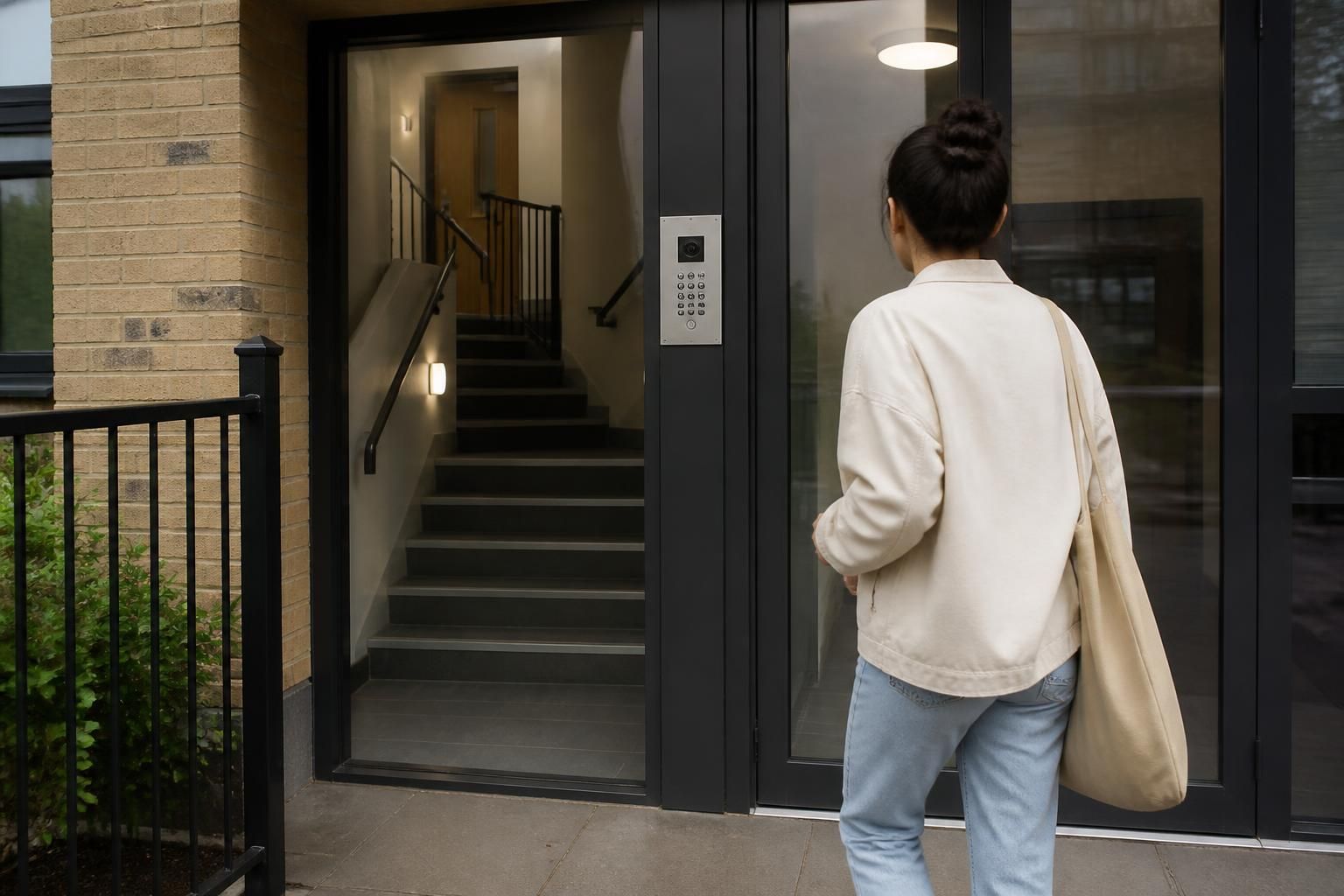
- the arrangements for entering and leaving the building, including communal entrances, stairs, lifts and shared corridors;
- fire safety, evacuation arrangements and any risks associated with the building;
- noise, privacy and the effect of communal living on the child and other residents;
- access to outdoor space, local facilities, education, transport and health services; and
- whether the property can accommodate the child’s age, behaviour, mobility or other individual needs.
There is no single flat layout that fostering services approve or reject. A ground-floor property may be practical for a child with mobility difficulties, while a flat higher in a building may still be suitable where the building has safe, reliable access and an appropriate evacuation plan. The important issue is whether the home can meet the child’s needs safely and consistently.
Communal areas require particular attention. A child may need to pass through shared entrances, stairwells, car parks or gardens, so the assessment will consider how these areas are used and supervised. You may need to explain how you would manage arrivals, visitors, contact with the child’s family, school routines and any behaviour that could create risks in shared spaces. The fostering service may also consider whether the building’s rules affect pets, visitors, noise or the use of communal facilities.
Fire safety is an important part of assessing any flat. The assessment may cover smoke alarms, escape routes, the position of the property within the building, the availability of lifts or stairs, and what you would do if normal access were blocked. You should not assume that a lift can be used during a fire. Any arrangements will need to follow the advice relevant to the building and the child’s circumstances.
If you rent your flat, or if the property is leasehold, the fostering service will need evidence that fostering is permitted. This could involve checking your tenancy agreement, lease, building rules or written permission from the relevant landlord, freeholder or managing organisation. It is sensible to raise fostering with the appropriate person before making plans, as restrictions can affect the assessment.
The assessment also looks beyond the property itself. You will be asked how the household would respond to fostering, how boundaries and confidentiality would be maintained, and how the child would be included in everyday family life. Neighbours do not normally decide whether someone can foster, but living in a shared building means you should understand how to manage privacy and respectful relationships with other residents.
Before approval, prospective foster carers complete preparation training and undergo checks and assessments. These normally include discussions about safer caring, safeguarding, managing behaviour, working with birth families and meeting children’s individual needs. Your fostering assessment will bring together information about you, your household and your home before a recommendation is made about the type of fostering that may be appropriate.
If your flat needs changes, raise this early. Some issues may be addressed through practical safety measures or agreed routines, while others may mean that certain placements are not suitable. The decision should be based on the needs of the child and the evidence gathered during the assessment, not on whether the property is a house or a flat.
Become a Foster Family provides guidance, training, financial support and ongoing assistance to people considering fostering across the West Midlands, including Birmingham, Worcestershire, Staffordshire, Dudley, Sandwell, Herefordshire, Telford, Wolverhampton, Shropshire, Walsall, Warwickshire, Stoke, Solihull, Coventry and Gloucestershire. Its teams can discuss your circumstances and explain what information will be needed when your home is assessed.
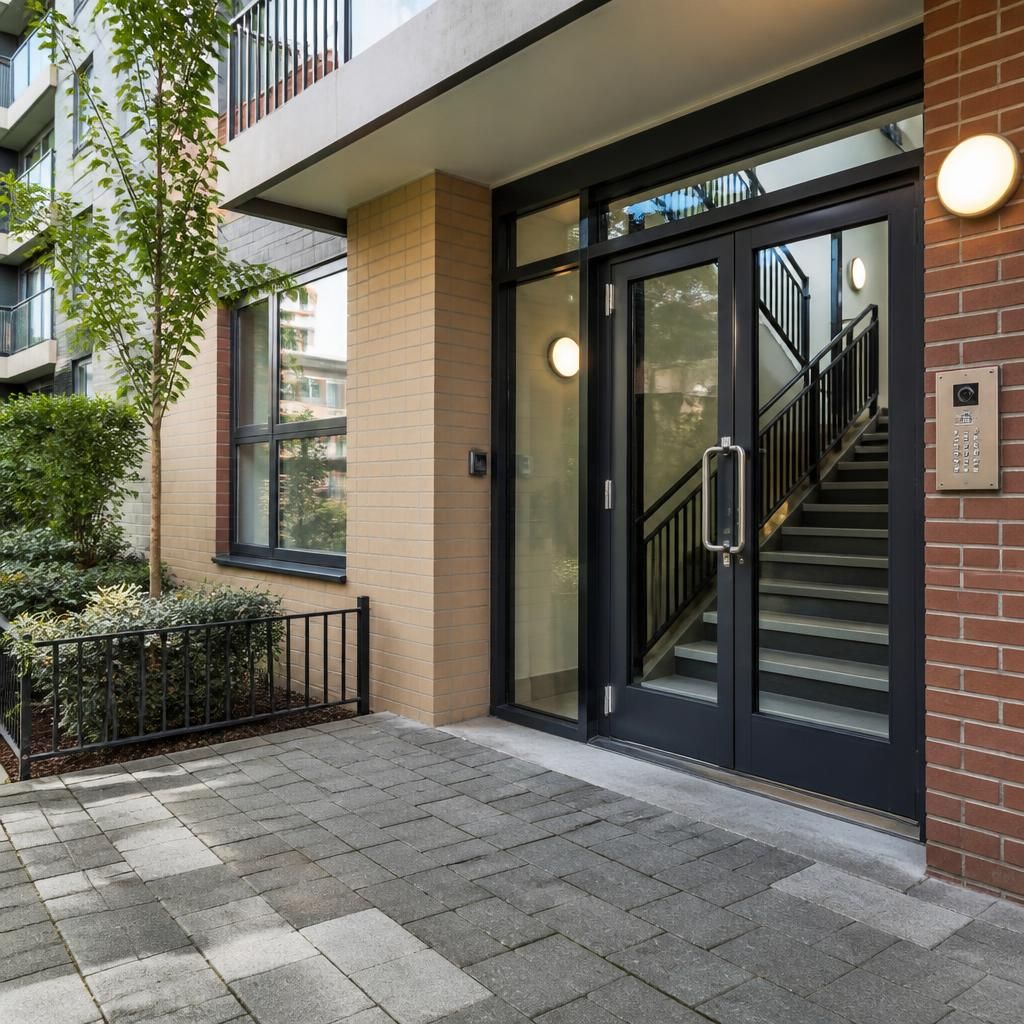
A flat can be suitable for fostering when it supports a child’s everyday routines as well as their basic safety. Before your assessment, consider how a typical school day would work: where the child would keep their belongings, complete homework, relax, and have calm time after contact or appointments. Being able to explain these routines helps show how fostering would work in practice within your home.
It is also helpful to be realistic about the type of placement your flat could support. The available space, building access and household arrangements may suit some children or young people better than others. Your assessing social worker can discuss these considerations with you and identify any practical points to address before approval.
Ask whether your flat could be suitable for fostering
Contact Become a Foster Family to discuss whether fostering from your flat could be appropriate for your household and learn about the next stage of the assessment.